
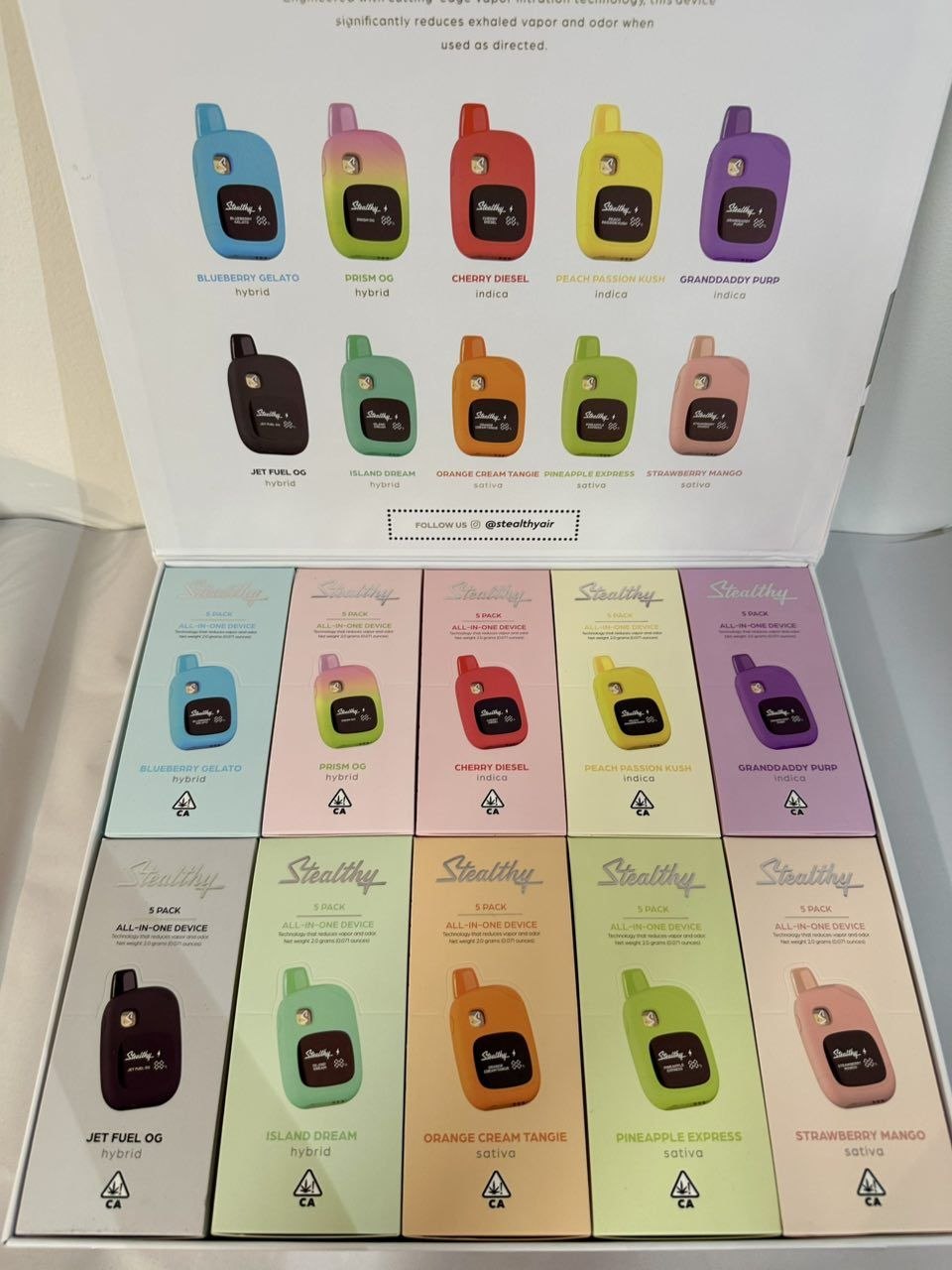
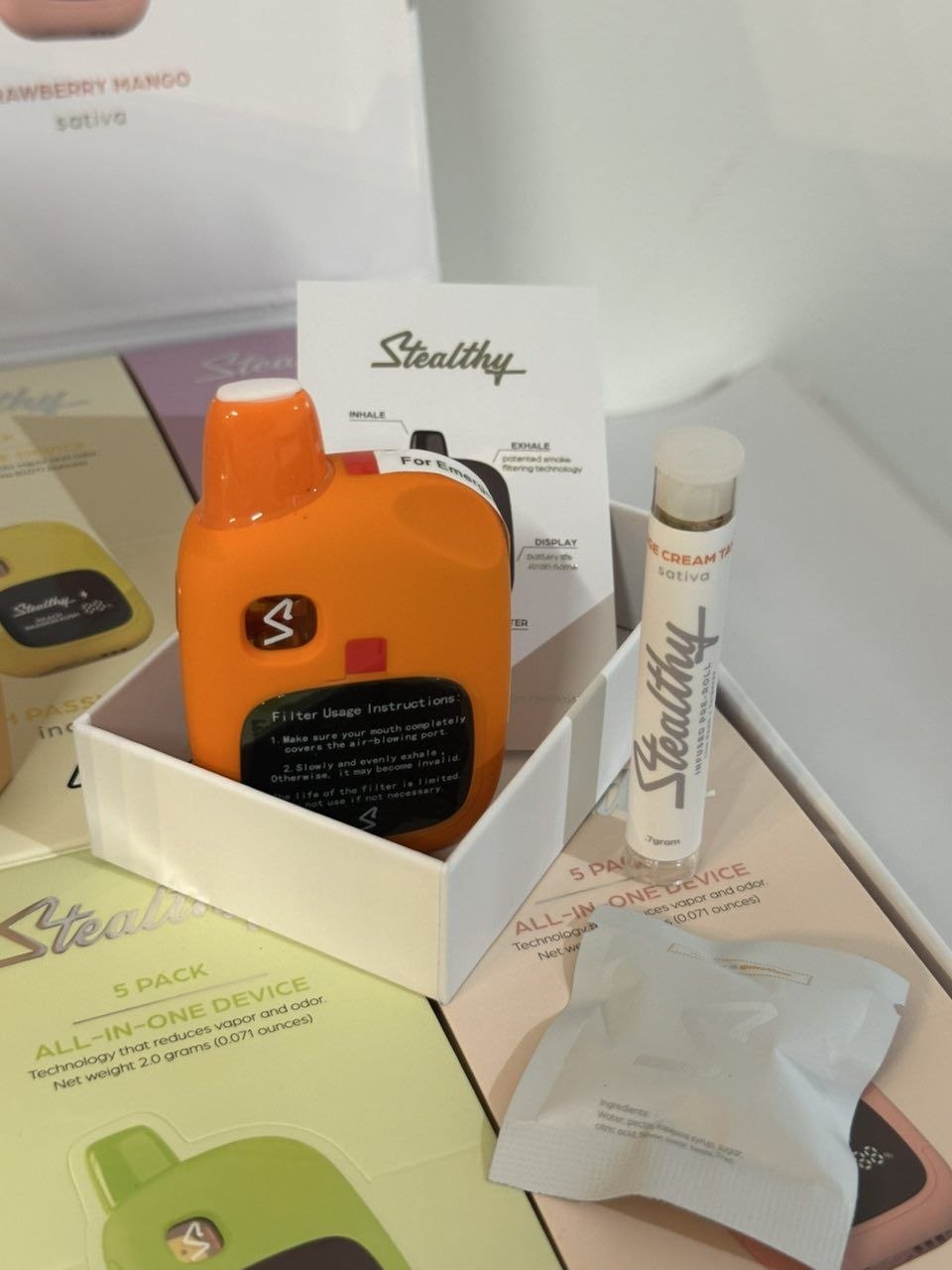
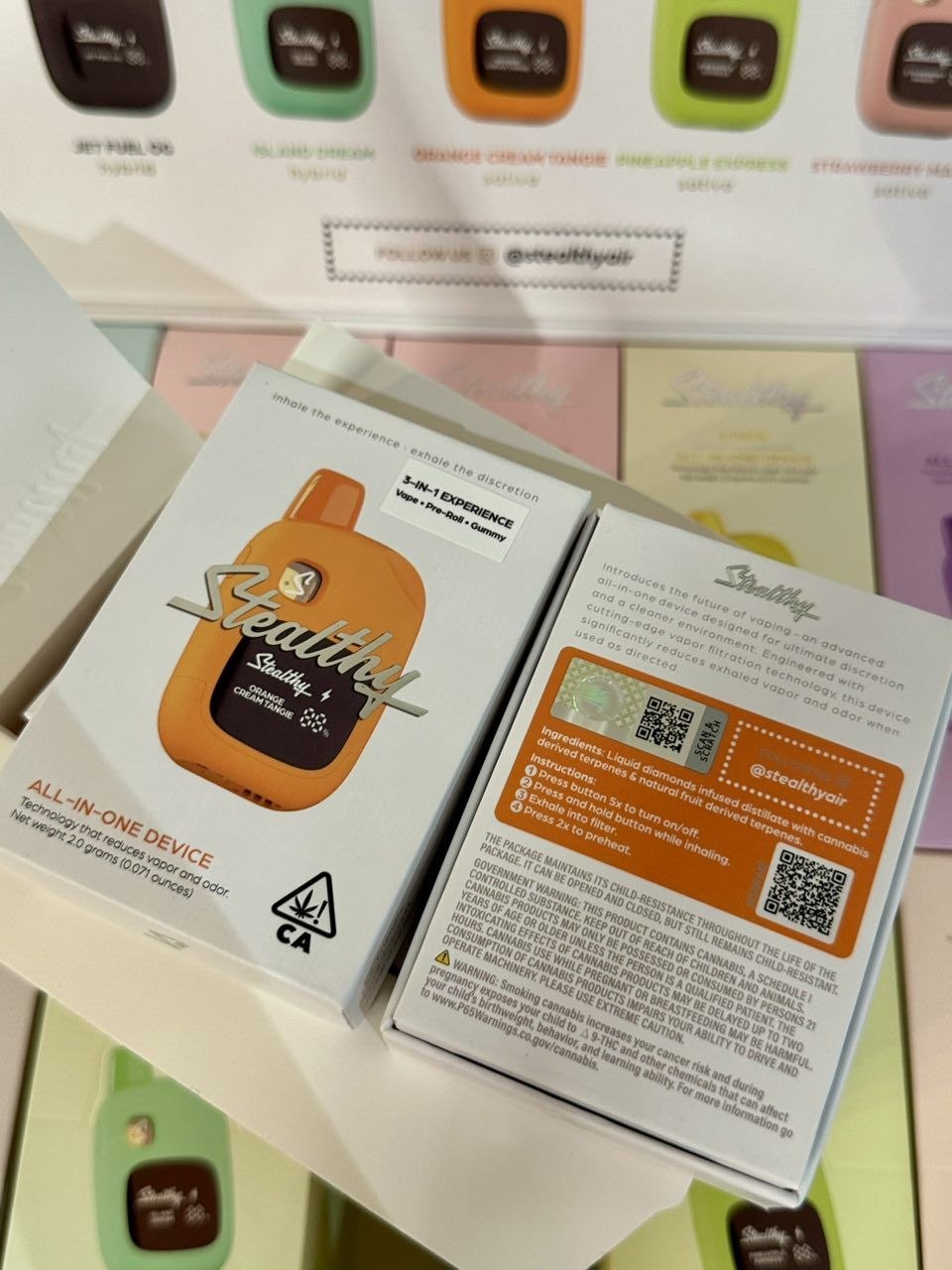
Stealthy Air 3 in 1 2G Disposable: Design, Configuration, and Product Overview
An Introduction to the Stealthy Air 3-in-1 Device
The Stealthy Air 3 in 1 2G Disposable is a product name associated with a compact, multi-function disposable vaping device. Its name suggests a combination of three functions within one unit, alongside a stated 2-gram capacity. However, the precise configuration, internal technology, and compatible materials depend on the manufacturer’s specifications.
For an accurate product listing, the device’s packaging and official documentation provide the most reliable information. Details such as the contents, heating system, battery capacity, charging method, and operating instructions should not be assumed from the product name alone.
This overview examines the device as a consumer product, including its stated configuration, physical design considerations, specifications, labeling, and responsible-use information.
Understanding the Meaning of a 3-in-1 Configuration
The term “3-in-1” generally describes a product that combines three functions or settings in a single device. In the vaping market, manufacturers may use similar terminology for products with multiple selectable options or separate chambers.
Nevertheless, the name alone does not confirm how the Stealthy Air model operates. The three functions could refer to different manufacturer-defined features, so the official instructions are necessary to establish their exact purpose.
A product listing should clearly explain each verified function. For example, documentation may identify separate settings, selectable modes, or another arrangement specific to the device. This information helps readers understand the product without relying on assumptions.
Additionally, the description should distinguish between features confirmed by the manufacturer and features that remain unverified. This approach provides a more reliable source of information for customers comparing different device configurations.
What the Stated 2G Capacity Means

The “2G” designation commonly refers to a two-gram quantity of material associated with a vaping product. However, the precise meaning should be checked against the original label because naming conventions can differ between manufacturers and product categories.
A stated capacity does not automatically establish the type, concentration, composition, or quality of the material contained in a device. Those details require separate documentation.
Likewise, a capacity figure does not establish the total number of uses, the duration of operation, or the amount delivered during an individual session. These factors vary according to product construction, material composition, device settings, and other conditions.
For this reason, a complete listing should present the stated capacity separately from other specifications. Clear labeling helps prevent misunderstandings and supports more informed product identification.
Physical Design and Construction
The physical design of a disposable vaping device can influence portability, handling, storage, and overall product identification. Common design considerations include the exterior housing, mouthpiece, internal reservoir, battery compartment, and electronic components.
The actual arrangement of these parts depends on the individual model. Consequently, the Stealthy Air device should be examined directly or documented through manufacturer materials before any specific construction details are included in its description.
A reliable product overview may describe the device’s dimensions, weight, exterior finish, and visible controls when those details have been verified. Photographs can also help distinguish the product from other devices with similar names.
Moreover, the exterior appearance should not be treated as proof of internal quality. A particular finish, shape, or color does not independently establish material safety, durability, or manufacturing standards.
Portability and Everyday Handling
Portable electronic devices are generally designed around a balance between size, weight, and functional components. In disposable vaping products, the housing must accommodate the relevant internal parts while allowing the device to be handled as intended.
The actual portability of the Stealthy Air model depends on its dimensions and construction. Without verified measurements, a product page should avoid describing the unit as exceptionally small, lightweight, or pocket-sized.
Storage conditions also matter. Electronic vaping products should be kept away from excessive heat, direct sunlight, moisture, and physical damage. Manufacturer instructions should determine the appropriate storage conditions for the particular model.
Furthermore, the device should remain inaccessible to children and pets. Its packaging and contents may present risks if handled or ingested improperly.
Battery and Electronic Components
Disposable vaping devices typically contain electronic components that supply power to a heating element. Depending on the model, these components may include a rechargeable or non-rechargeable battery, electrical contacts, and control circuitry.
The Stealthy Air product’s exact battery arrangement cannot be confirmed from its name alone. Battery capacity, charging compatibility, charging time, and operating duration should therefore be listed only when supported by official specifications.
Battery safety deserves particular attention because lithium-ion batteries can become hazardous when damaged, overheated, improperly charged, or exposed to unsuitable conditions.
A device with swelling, leakage, unusual heat, physical damage, or other signs of malfunction should not be used. Charging should follow the manufacturer’s instructions, and incompatible chargers or unauthorized modifications should be avoided.
Heating System and Internal Operation
Many vaping devices use an electrically powered heating element to produce an aerosol from a compatible material. The design of this system varies according to the device’s intended contents and operating method.
The heating element, airflow pathway, reservoir, and electrical components work together in models that use this general arrangement. However, the specific materials and engineering used in the Stealthy Air 3-in-1 model require confirmation.
A product description should not claim that a device produces cleaner vapor, provides superior performance, or delivers more consistent results without reliable supporting evidence.
Similarly, technical terms such as ceramic heating, temperature control, adjustable airflow, or advanced coil technology should appear in the listing only when the manufacturer confirms that the particular model includes those features.
Understanding the Product Label
Product labels provide important information about identity, composition, intended use, and handling requirements. The information displayed depends on the product category and the regulations that apply in the market where it is sold.
For a clear listing, the original packaging should be checked for the manufacturer’s name, model designation, stated capacity, ingredient information, applicable warnings, and batch or lot identification.
Where relevant, documentation may also identify a manufacturing date, expiration information, or instructions for verifying product authenticity.
These details should be transcribed accurately rather than inferred from online photographs or third-party descriptions. If a specification is missing, it is more appropriate to identify it as unconfirmed than to supply a guessed value.
Material Composition and Ingredient Information
The composition of a vaping product depends on its contents and intended use. Different formulations can contain different substances, and the appearance of a device does not establish what is inside it.
For that reason, the product name alone should not be used to identify ingredients, active compounds, concentrations, flavoring agents, or other chemical components.
When applicable, the manufacturer’s ingredient statement and relevant laboratory documentation offer more dependable information. Any testing claims should identify the supporting documentation and apply to the exact product or batch in question.
Additionally, a laboratory report for one product should not automatically be presented as evidence for another product with a similar name.
Accurate composition information is especially important when a device contains intoxicating or otherwise potentially harmful substances. Such products may carry risks that are not apparent from their packaging or appearance.
Product Identification and Authenticity
Products with similar names or packaging may differ in their specifications, source, or intended use. Correct identification is therefore an important part of maintaining an accurate product catalog.
The Stealthy Air model should be identified using the complete product name, relevant model details, and information printed on its original packaging.
Where the manufacturer provides an authentication process, its published instructions can help establish whether a product matches the manufacturer’s records. A code, label, or visual feature should not be treated as proof of authenticity unless the verification method supports that conclusion.
Retailers should also retain appropriate supplier documentation and product records. These records can assist with traceability if a labeling discrepancy, quality concern, or product recall arises.
Storage, Handling, and Product Care
Storage conditions can affect electronic components and the condition of materials contained in a vaping device. Manufacturer instructions should therefore guide the storage and handling of the specific model.
Excessive heat, prolonged sunlight, moisture, and physical impact can damage some electronic products. A damaged device may present electrical, chemical, or fire hazards.
The product should remain in a secure location away from children and pets. It should also be kept separate from food and household items where accidental access could occur.
If the device leaks, develops an unusual odor, becomes excessively hot, or shows other signs of damage, further handling should be limited. Local guidance for hazardous products and electronic waste can help determine the appropriate next steps.
Health Considerations and Responsible Information
Vaping is not risk-free. The potential health effects depend on the substances involved, the device, the frequency of exposure, and individual circumstances.
A product description should not imply that a disposable vaping device is harmless simply because it is compact or designed for convenient handling. Nor should it make unsupported claims about relaxation, concentration, sleep, pain relief, or other health outcomes.
Products containing intoxicating substances may impair attention, coordination, reaction time, and judgment. Driving or operating machinery while impaired presents a serious safety risk.
Nicotine, cannabis-derived substances, and other inhaled compounds have different effects and associated risks. Therefore, the exact contents of a product should be established before making statements about its potential effects.
People who are pregnant, have relevant medical concerns, or take medications should consult an appropriately qualified healthcare professional when they have questions about exposure to vaping substances.
Environmental Considerations and Disposal

Disposable electronic products can contain batteries, wiring, plastics, and other materials that require appropriate disposal. As a result, they should not automatically be treated as ordinary household waste.
Local electronic-waste collection programs may accept certain disposable devices, although requirements vary by location and product type.
A damaged or leaking unit may require special handling. The battery should not be punctured, crushed, dismantled, or exposed to fire. Similarly, the device should not be modified in an attempt to recover its contents.
Packaging materials may have separate disposal requirements. Local waste-management guidance provides the most suitable information for the relevant area.
What does 3-in-1 mean?
The term generally indicates three combined functions or settings. However, the exact meaning varies by product, so the manufacturer’s instructions are needed to identify the three functions included in this model.
What does 2G mean?
The designation commonly refers to two grams of material associated with a vaping product. The original packaging should be checked to confirm the exact meaning for this particular device.
Is the device rechargeable?
Its charging arrangement has not been confirmed. The original instructions or manufacturer specifications should establish whether the device supports charging and identify any compatible charging equipment.
What materials are contained inside?
The product name does not establish its ingredients or chemical composition. The original label and relevant manufacturer documentation are the appropriate sources for that information.
How should the device be stored?
Storage should follow the manufacturer’s instructions. In general, electronic vaping products should be protected from excessive heat, moisture, physical damage, and access by children or pets.
How should a damaged device be handled?
A device that leaks, overheats, or shows physical damage should not be used. Applicable local guidance should determine its handling and disposal, particularly when a battery or unknown substance is involved.
How can the product be identified accurately?
The complete name, model details, packaging information, batch identification, and any available manufacturer authentication process can help establish the product’s identity.
The Stealthy Air 3-in-1 2G Disposable can be presented accurately by focusing on its documented identity, stated capacity, verified construction, and applicable safety information. Its name provides a starting point, but it does not establish the full set of functions, internal components, ingredients, or performance characteristics.
A dependable product listing separates confirmed specifications from details that still require verification. It also avoids unsupported health claims and provides clear information about storage, handling, and disposal.
Ultimately, the original packaging and manufacturer documentation should determine the final specifications published for this model. This approach gives readers a clearer understanding of the product while keeping the description factual, distinct, and suitable for an informative product catalog.
A Closer Look at the Stealthy Air Product Identity
Product identity plays an important role in helping customers distinguish one device from another. The Stealthy Air 3-in-1 2G Disposable has a distinctive product name, but the full identity of the model depends on its labeling, manufacturer information, and documented specifications.
A clear product page benefits from consistent naming across its title, description, product images, and inventory records. As a result, customers can more easily distinguish this model from other disposable devices in a similar category.
Additionally, accurate identification supports better inventory management. Retailers can maintain separate records for different versions, packaging designs, or product capacities instead of treating similar names as interchangeable.
The packaging should remain the primary reference for the exact model. Any variation in the name, stated capacity, or configuration deserves verification before the product information is published.
How Product Photography Supports Clear Identification
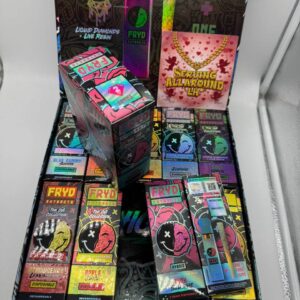
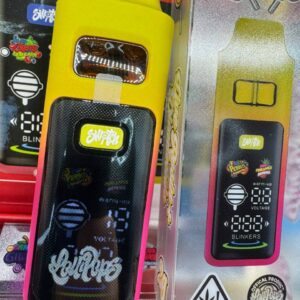
Product photographs provide a visual reference that complements written information. A well-presented image can show the exterior design, visible labeling, packaging, and identifying details without making unsupported claims about internal components.
For the Stealthy Air 3-in-1 2G Disposable, photographs should accurately represent the version being described. Images of another model may create confusion, even when the devices share a similar appearance.
Furthermore, product photography should not suggest features that have not been confirmed. A charging port, display, selector, or other component should only be described when it is actually present on the pictured device.
Clear images of the packaging can also support product identification. However, photographs alone cannot establish authenticity, ingredient composition, or laboratory verification.
Packaging Information and Customer Understanding
Packaging serves several purposes beyond protecting a product during transport. It may identify the manufacturer, display the model name, state the capacity, and provide instructions or safety warnings.
For that reason, the information on the physical package should match the online listing. Differences in wording or specifications can create unnecessary uncertainty for customers.
Where the manufacturer supplies additional documentation, relevant details can be incorporated into the product page. Nevertheless, information from unrelated versions should not be transferred to this model without confirmation.
A consistent presentation makes the listing easier to understand. It also gives customers a clearer distinction between verified product facts and details that remain unavailable.
Comparing Product Specifications Responsibly
Customers often compare electronic devices according to their dimensions, battery arrangements, construction, and listed features. A useful comparison relies on information that can be checked across the products being evaluated.
For example, a verified specification sheet may provide the stated capacity, charging arrangement, dimensions, and manufacturer details. These details offer a more meaningful comparison than broad descriptions such as premium, powerful, or advanced.
Likewise, a three-function designation should not automatically be interpreted as proof of superior performance. The meaning of the designation depends on the manufacturer’s explanation of the product.
When a specification cannot be confirmed, it is better to leave it unlisted than to present an estimate as fact. This helps preserve the reliability of the product catalog.
Product Quality and Manufacturing Information
Product quality depends on several factors, including component selection, manufacturing controls, labeling accuracy, and appropriate testing. The exterior appearance alone cannot establish whether these standards have been met.
For the Stealthy Air model, quality-related statements should be supported by reliable information from the manufacturer or supplier. Documentation may include product specifications, traceability records, and applicable testing information.
Moreover, testing claims should be specific. A report covering one batch or product version does not necessarily apply to every item sold under a similar name.
Responsible product communication avoids absolute statements about safety, durability, or quality unless suitable evidence supports them. In this way, the listing remains informative without promising characteristics that have not been demonstrated.
Retail Inventory and Product Recordkeeping
Accurate inventory records help retailers manage product names, quantities, versions, and supplier information. This is particularly useful when multiple devices have similar names or packaging.
A product record for the Stealthy Air 3-in-1 2G Disposable may include the complete model name, supplier reference, batch identification, date received, and verified package details.
In addition, photographs of the received stock can help identify discrepancies between an online listing and the physical product. Such records may also support communication with suppliers when information is incomplete or inconsistent.
Inventory accuracy benefits both the retailer and the customer. A listing that reflects the actual product reduces confusion and provides a more dependable shopping experience.
A Transparent Approach to Product Information
Transparency means presenting available information clearly while acknowledging what remains unknown. It does not require lengthy claims about features that the manufacturer has not documented.
The Stealthy Air 3-in-1 2G Disposable should therefore be described using confirmed details about its name, stated capacity, and verified configuration. Other specifications should be included only when the original documentation supports them.
Similarly, descriptions of materials, operating methods, and compatibility should reflect the actual model rather than general assumptions about disposable vaping devices.
This approach produces a more useful product page. Customers receive information that helps them identify the item, while retailers avoid creating unrealistic expectations.
Additional Customer Questions
Does the product name confirm all three functions?
No. The name indicates a three-function designation, but the exact functions must be established through the manufacturer’s documentation.
Does the stated capacity determine how long the product lasts?
Not by itself. Capacity does not establish a fixed duration or number of uses. Actual operating characteristics depend on the product’s design, contents, and other variables.
Are all products with similar names identical?
No. Different versions may have different components, packaging, or specifications. The complete model identification should be checked before products are treated as equivalent.
Can the exterior appearance confirm product authenticity?
No. Visual similarities can help with identification, but authenticity requires stronger evidence, such as an appropriate manufacturer verification method and reliable supplier records.
Why should unconfirmed specifications be omitted?
Unverified details can mislead customers and create inaccurate expectations. A product page is more dependable when its statements are supported by the actual product documentation.
Extended Product Summary
The Stealthy Air 3-in-1 2G Disposable is best presented through a clear, carefully verified description of its identity and documented characteristics. Its name provides a useful starting point, while the original packaging and manufacturer information establish the details required for a complete listing.
The stated 2G capacity should be presented in accordance with the product label. Similarly, the three-in-one designation should be explained only after the functions have been confirmed.
Physical appearance, battery configuration, charging compatibility, internal technology, and ingredient composition all require separate verification. These details should not be inferred from the name or borrowed from another device.
Finally, responsible handling, appropriate storage, accurate labeling, and proper disposal information can make the listing more useful. Together, these elements provide a clear and factual overview without relying on unsupported performance or health claims.


Reviews
There are no reviews yet.