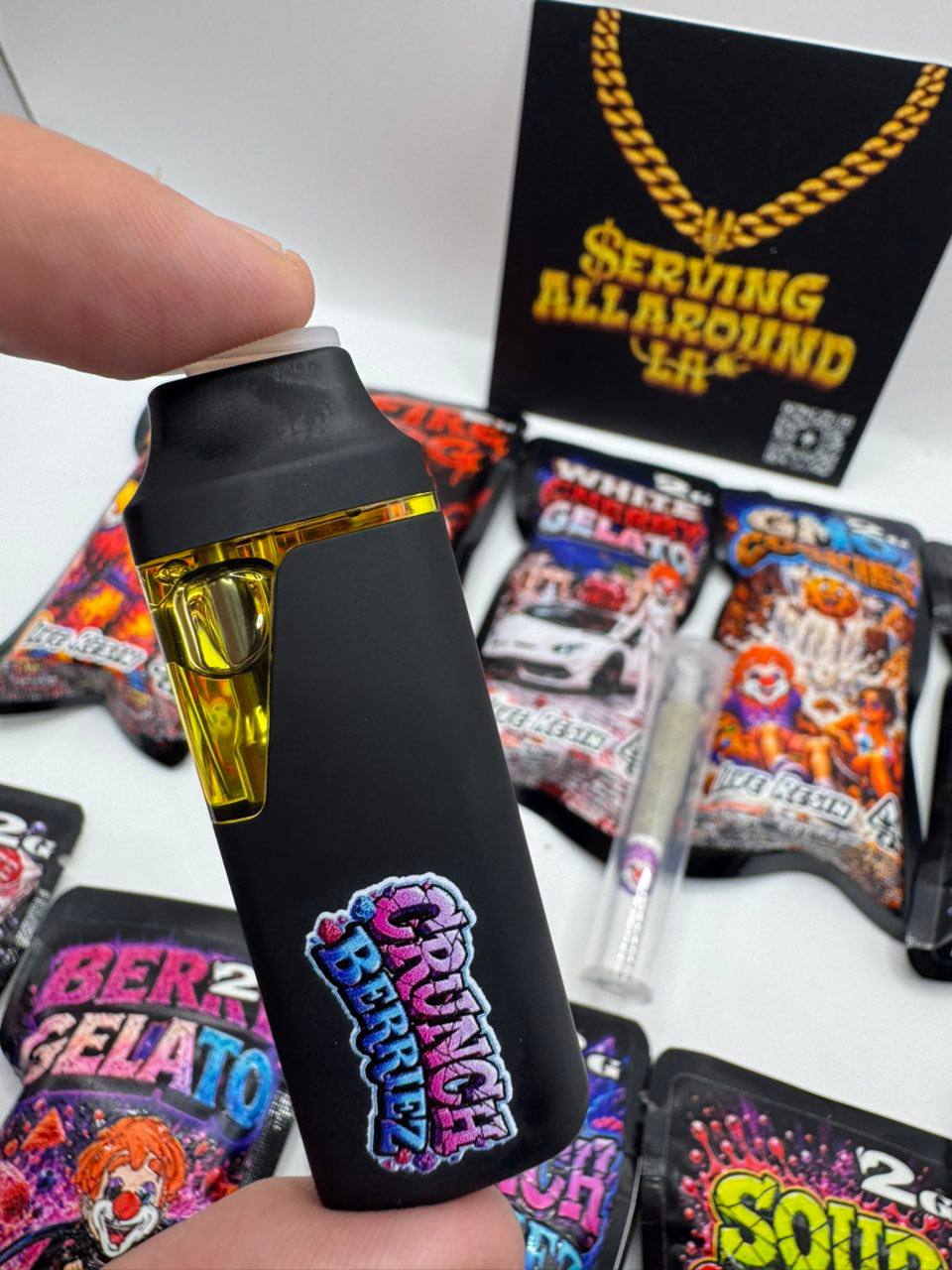
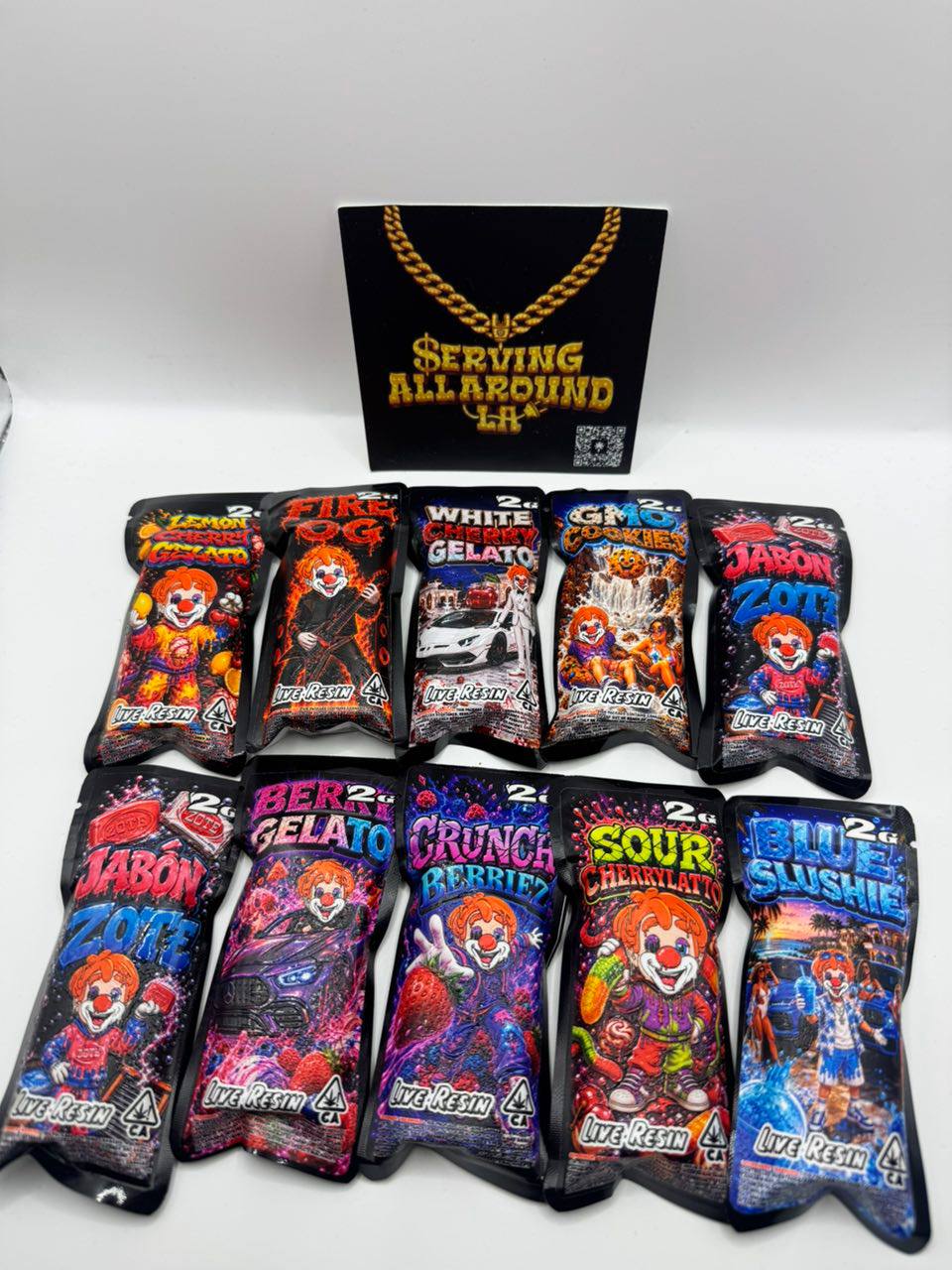
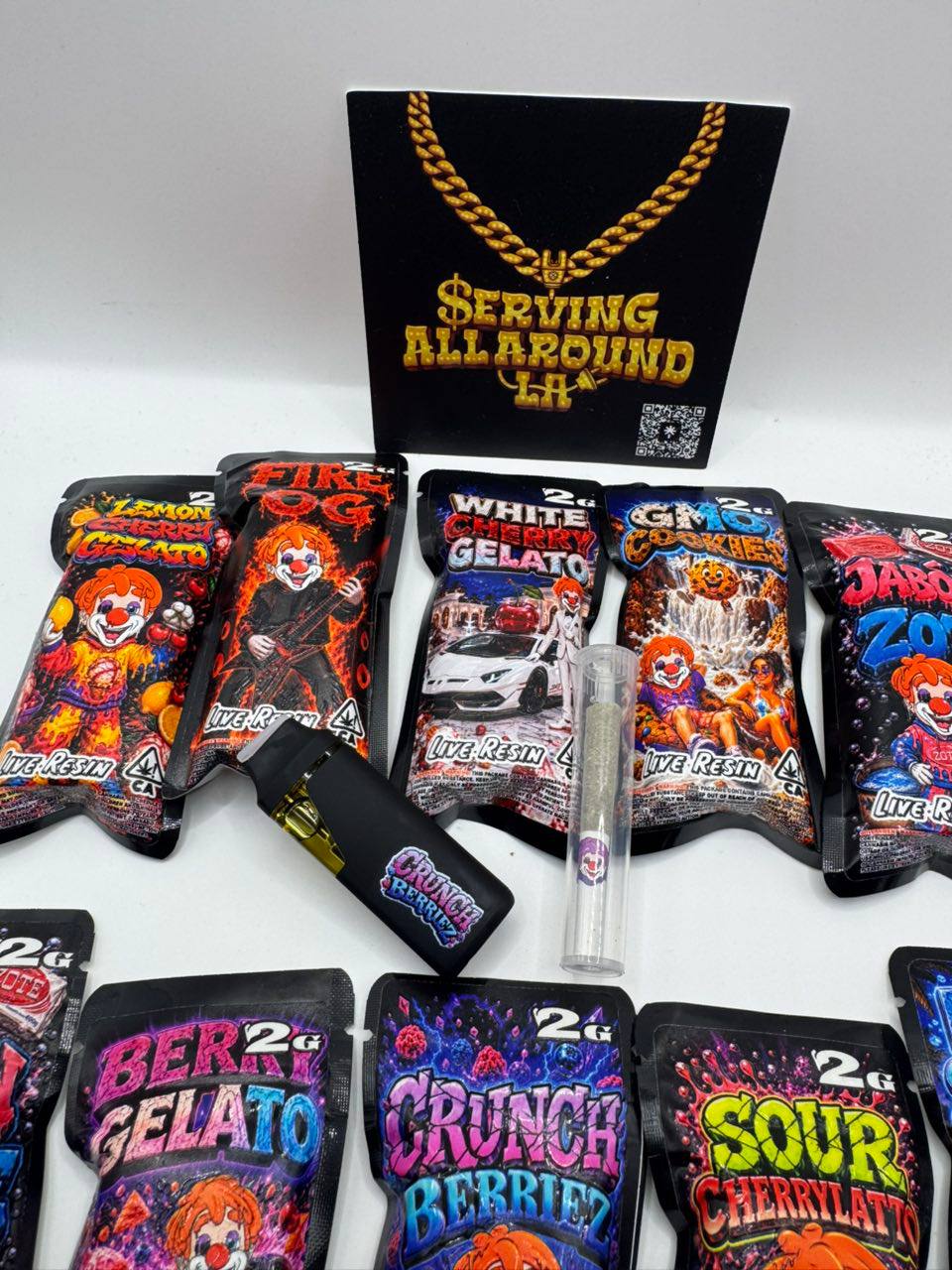
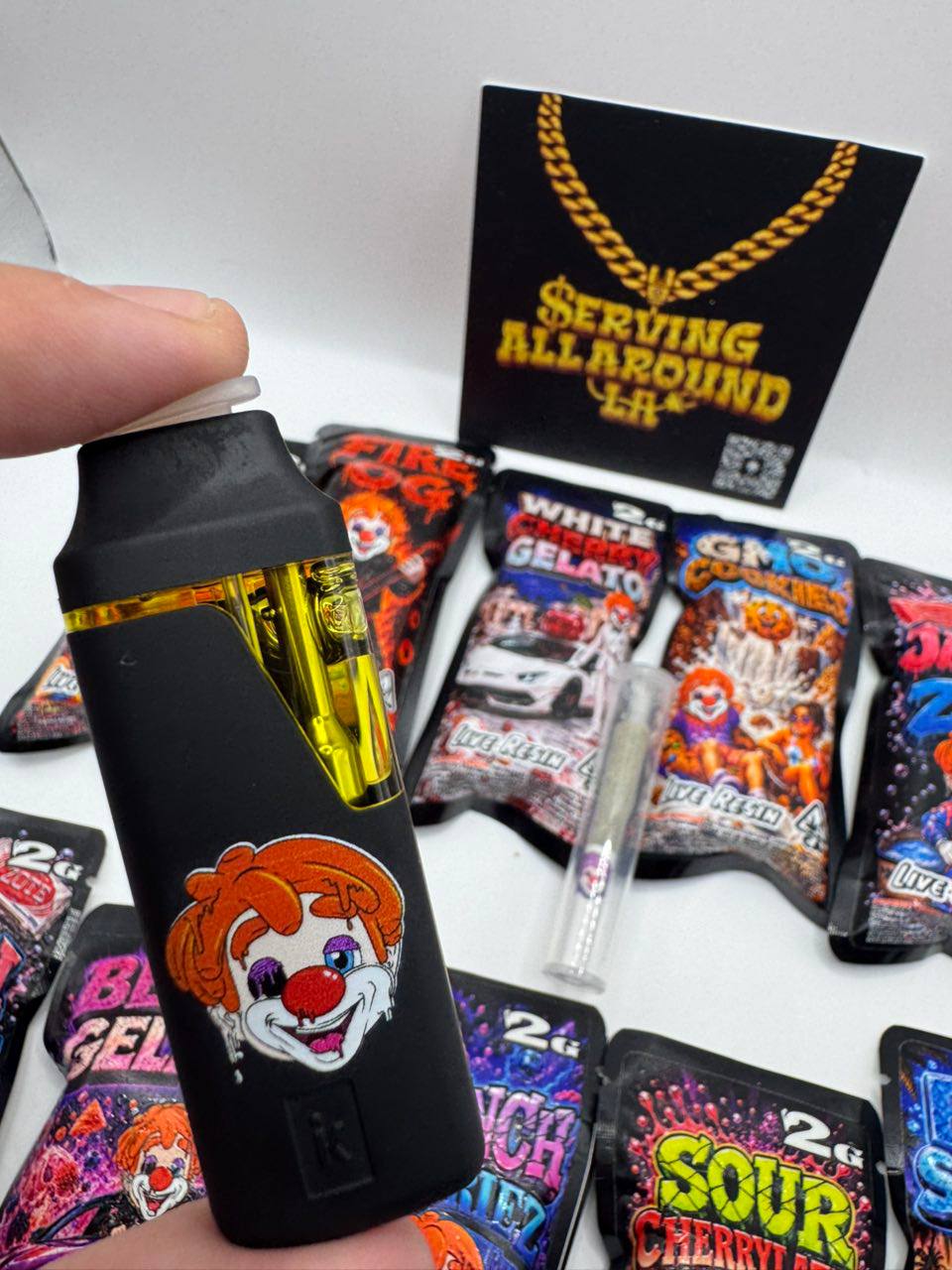
Payonazo Exotics 2G Disposable: Product Overview
Introduction
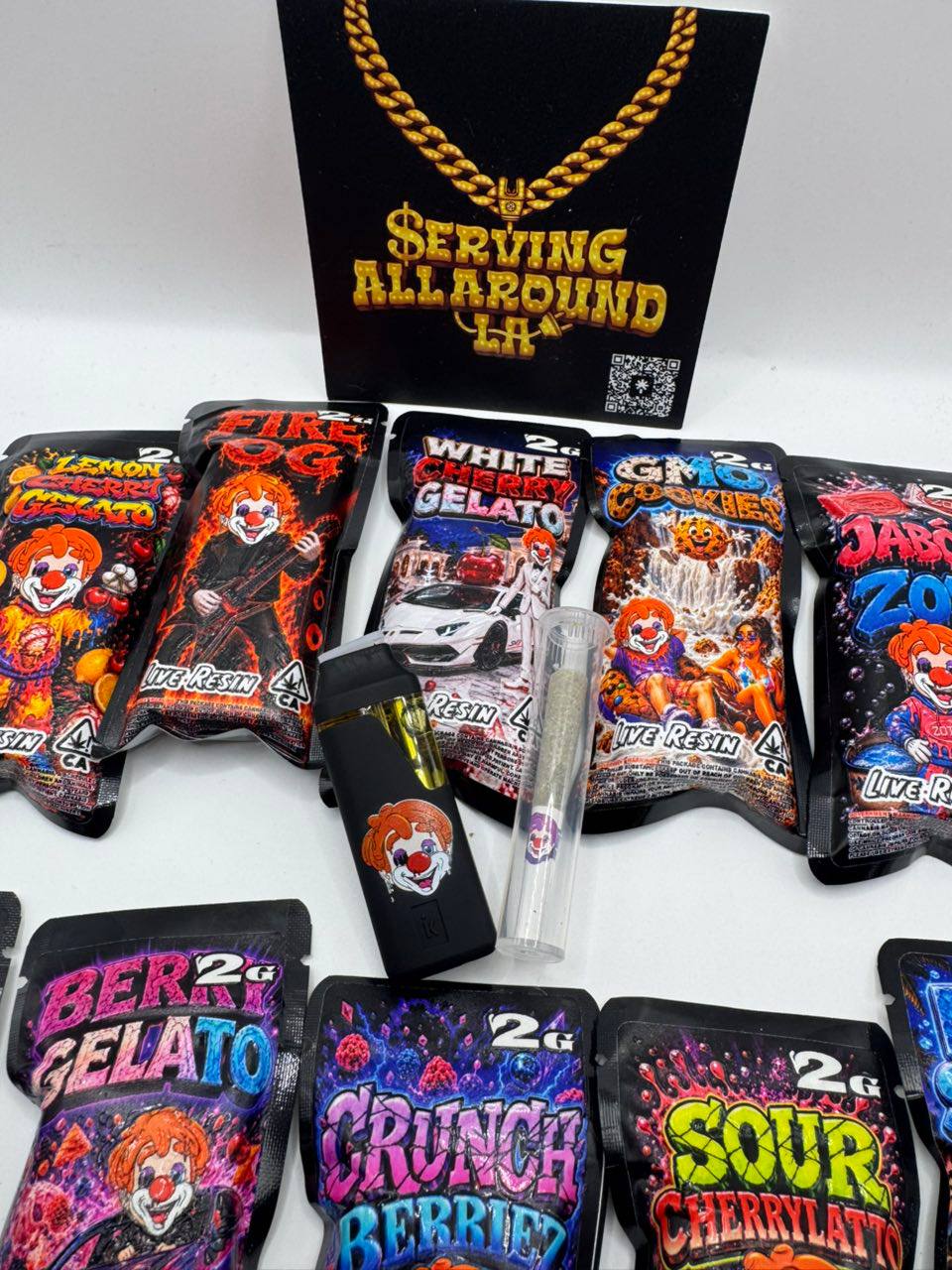
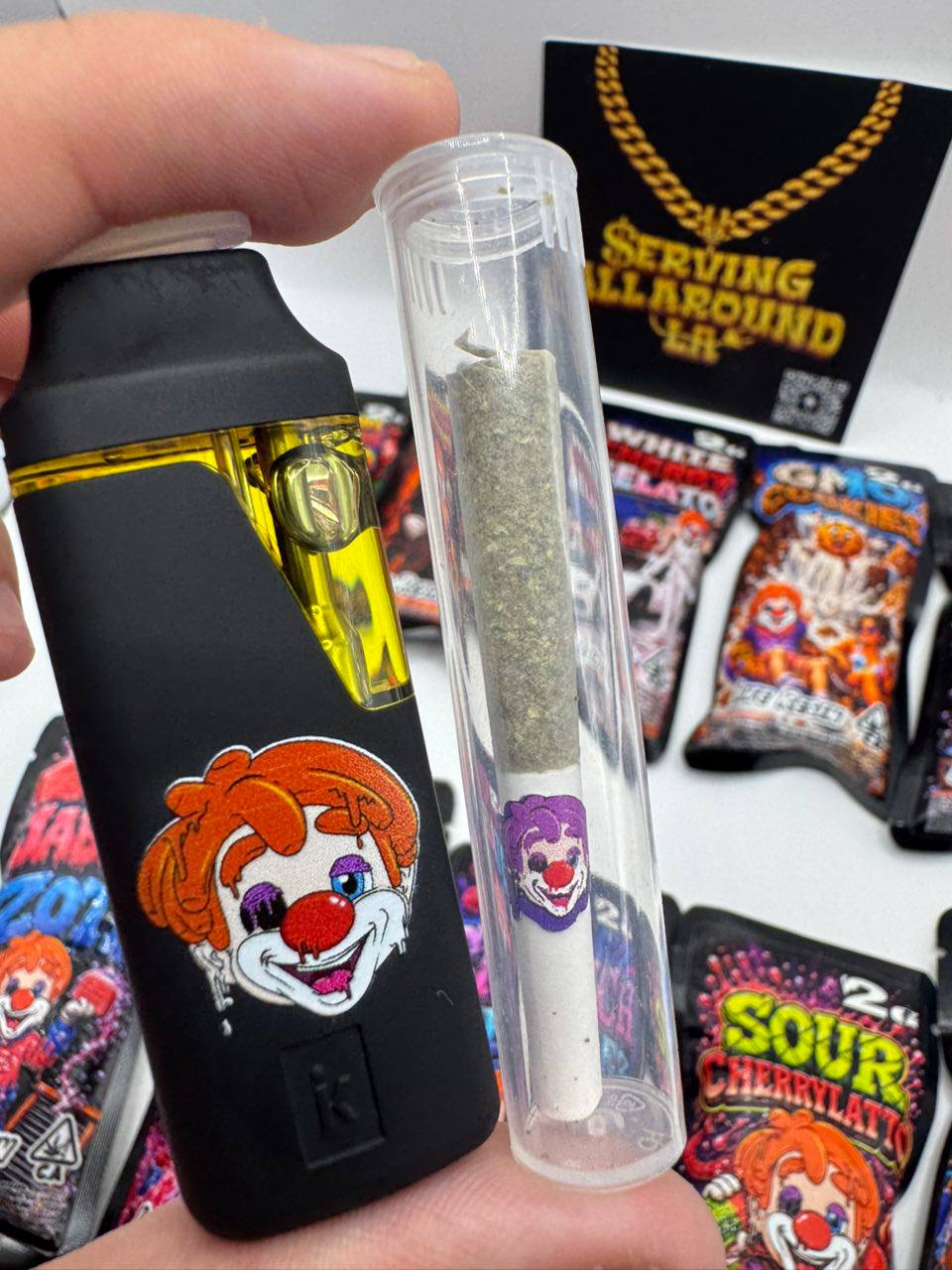
The Payonazo Exotics 2G Disposable is presented in a compact, pre-filled disposable format designed around convenience and portability. The product is identified by its 2-gram capacity and disposable construction, which distinguishes it from reusable vaporizer systems that require separate cartridges, tanks, or refillable chambers.
Its compact design allows the device to be carried without the additional components associated with larger vaporizer systems. The disposable format also means that the device is intended as a self-contained product rather than a long-term reusable battery platform.
Because product specifications can vary between batches, markets, and manufacturers, information printed on the packaging should be treated as the primary reference for ingredients, cannabinoid content, batch information, and other technical details.
Product Format
The device uses a disposable structure that combines the reservoir and battery into one unit. This design reduces the number of separate components involved in the product.
A 2-gram capacity indicates the stated amount of oil or concentrate contained in the device. However, the total amount of material should not be confused with cannabinoid potency. Concentration, cannabinoid profile, and laboratory results can vary considerably between products.
The physical format generally emphasizes portability. As a result, the device may occupy less space than some traditional vaporizer setups while still containing a relatively large stated capacity.
Design and Construction
Disposable vaporizer devices commonly contain several internal components. These can include a battery, heating element, reservoir, airflow pathway, mouthpiece, and exterior housing.
The exterior housing provides protection for the internal components while also giving the device its recognizable appearance. The mouthpiece connects the user to the airflow pathway, while the heating element is responsible for converting the stored material into an inhalable aerosol.
The exact construction of a particular product should be verified through manufacturer documentation or authentic packaging. Visual differences between legitimate and counterfeit products can sometimes be subtle, so packaging information and verification features remain important.
Capacity
The stated 2-gram capacity is one of the defining specifications of the product. Capacity describes the quantity of material contained within the reservoir rather than the strength of the product.
For that reason, two products with identical capacities can have different cannabinoid concentrations and laboratory profiles. Potency information should therefore be reviewed separately from the stated volume or weight.
Packaging may also provide information about the contents, including cannabinoid percentages, total cannabinoid amounts, batch identification, manufacturing information, and testing details.
Flavor and Aroma Information
Products in the exotics category may be associated with distinctive flavor or aroma profiles. However, the specific profile of a particular Payonazo Exotics product depends on its formulation and labeled variety.
Descriptions such as fruity, sweet, citrus-like, creamy, earthy, or herbal are commonly used to characterize terpene-related aromas. These descriptions should not be interpreted as guarantees of a particular experience.
The most reliable information comes from the product label and, where available, an independent certificate of analysis. Laboratory documentation can provide more precise information about cannabinoids and other tested compounds.
Device Operation
Disposable vaporizer devices are commonly designed as self-contained systems. Some models activate automatically when airflow is detected, while others may include an activation mechanism.
The precise operating method depends on the model. Instructions supplied with the product should therefore be followed rather than relying on assumptions based on another disposable device.
A device that becomes unusually hot, leaks, produces an unexpected odor, or appears damaged should not be treated as normal. Physical damage can affect both the battery and the reservoir, creating additional safety concerns.
Battery System
The battery is integrated into the disposable unit. Unlike a reusable vaporizer, the battery generally is not intended to be removed by the consumer.
Some disposable models include rechargeable functionality, while others are designed for a single battery cycle. The packaging should identify whether charging is supported and, when applicable, provide compatible charging information.
Improper charging equipment can damage lithium-ion batteries. Therefore, the manufacturer’s charging instructions and safety information remain important parts of the product documentation.
Packaging and Verification
Authentic packaging can provide important information about the product. Depending on the jurisdiction and manufacturer, the package may contain a product name, batch number, manufacturing information, cannabinoid information, warnings, or laboratory-testing details.
Verification features can also help distinguish legitimate products from unauthorized copies. A QR code, authentication label, serial number, or other verification system may be included, although the presence and format of such features vary.
Consumers should be cautious when packaging appears inconsistent, incomplete, altered, or unusually different from verified manufacturer materials.
Laboratory Testing
Laboratory testing provides a more reliable way to evaluate the chemical composition of a cannabinoid product.
A certificate of analysis, often abbreviated as COA, can contain information about cannabinoid concentrations and other tested characteristics. Depending on the laboratory and jurisdiction, testing may also cover contaminants such as pesticides, residual solvents, heavy metals, microbial contamination, or other substances.
The availability of testing information does not by itself establish that a product is safe. Instead, laboratory documentation provides additional information that can be considered alongside regulatory requirements and manufacturer disclosures.
Cannabinoid Information
The 2-gram quantity describes the amount of material contained in the device, while cannabinoid percentages describe the composition of that material.
Common cannabinoids appearing on laboratory reports include THC, CBD, CBG, CBC, and related compounds. The actual cannabinoid profile depends on the formulation of the individual product.
Because labels can change between formulations and production runs, current packaging and accompanying laboratory documentation are more useful than generalized descriptions.
Storage Considerations
Proper storage can help preserve the physical condition of a disposable device.
Extreme temperatures may affect both the oil and the battery. Excessive heat can alter the consistency of the material, while very cold conditions may affect viscosity and device performance.
The device should also be kept away from excessive moisture and physical impact. Storage away from children and pets is particularly important because cannabinoid products can present serious risks when accidentally consumed.
Disposable Convenience
One of the primary characteristics of the disposable format is its self-contained construction. A separate cartridge and compatible battery are generally unnecessary.
This can make the format relatively straightforward from a hardware perspective. At the same time, the disposable structure creates additional considerations because the entire unit becomes waste once its usable contents or battery capacity has been exhausted.
Electronic components and lithium-ion batteries should not automatically be placed in ordinary household waste. Local regulations and appropriate electronic-waste programs can provide guidance on disposal.
Product Consistency
Consistency can depend on several factors, including formulation, storage conditions, manufacturing practices, and quality-control procedures.
A product’s appearance alone cannot establish its chemical composition. Similarly, flavor or aroma cannot reliably determine cannabinoid concentration.
For accurate information, the product label, batch information, and available laboratory documentation provide stronger evidence than general descriptions.
Authenticity and Quality Information
Authenticity is an important consideration for any branded cannabinoid product. Unauthorized products can use similar names, packaging, or visual designs while containing different materials.
Packaging verification systems, manufacturer information, and laboratory documentation can help establish provenance. However, verification methods differ by brand and region.
When information on the package conflicts with information from an official source or laboratory report, the discrepancy deserves attention before the product is used.
Responsible Product Information
A product description should distinguish objective specifications from subjective claims. Capacity, device format, packaging information, and laboratory results can generally be described factually.
By contrast, claims about specific effects, guaranteed experiences, or health benefits are not appropriate substitutes for verified product information.
This distinction is especially important for cannabinoid products because individual responses can vary and because regulations differ between jurisdictions.
Legal and Regulatory Considerations
Cannabis and cannabinoid regulations vary significantly by country, state, province, and municipality. A product that is permitted in one jurisdiction may be restricted or prohibited in another.
Age requirements, possession limits, labeling standards, testing requirements, and permitted cannabinoid concentrations can also differ.
For that reason, the legal status of a particular disposable device should be determined according to the laws applicable where the product is possessed or used.
Safety Information
Cannabinoid-containing products can cause impairment and may produce unwanted effects. Products containing THC should not be treated as ordinary consumer goods.
Driving or operating machinery after consuming an intoxicating cannabinoid can create significant safety risks. Products should also be kept securely away from children and animals.
People who are pregnant, breastfeeding, taking medications, or dealing with other health considerations should obtain appropriate professional guidance before using cannabinoid products.
The Payonazo Exotics 2G Disposable is characterized by its stated 2-gram capacity and disposable vaporizer format. Its integrated design combines the reservoir, heating system, and battery into a single device, although exact hardware specifications depend on the particular model and production batch.
The most useful product information comes from current packaging, manufacturer documentation, and independent laboratory testing when available. Capacity alone does not establish potency, while appearance and flavor do not independently confirm authenticity or composition.
For accurate evaluation, attention to labeling, batch information, laboratory results, storage requirements, battery safety, and applicable local regulations provides a more reliable foundation than generalized marketing claims.
Material and Formulation Considerations
The material contained inside a disposable device can vary considerably depending on its formulation. Cannabinoid extracts may differ in texture, color, viscosity, terpene composition, and overall chemical profile. Therefore, visual inspection can provide only limited information about what is actually contained inside the reservoir.
A lighter or darker appearance does not automatically indicate higher or lower quality. Similarly, thickness can change with temperature and storage conditions. A product that appears different from another batch may still have a different formulation rather than a manufacturing problem.
Laboratory analysis remains a more dependable source of information because it can identify specific cannabinoids and, depending on the testing panel, additional compounds or contaminants.
Terpene Profile
Terpenes are naturally occurring aromatic compounds found in many plants, including cannabis. They contribute to the aroma and flavor characteristics associated with different formulations.
Common terpene names include limonene, myrcene, pinene, linalool, and caryophyllene. However, the presence and concentration of individual terpenes can differ between products and batches.
For that reason, a general strain-style description should not be treated as a complete chemical profile. When a certificate of analysis is available, its terpene information can offer a more precise picture of the formulation.
The aroma of a product can also change during storage. Heat, light, oxygen, and prolonged exposure to unsuitable conditions may gradually affect aromatic compounds.
Airflow and Vapor Production
Airflow is an important part of disposable vaporizer design. The internal pathway determines how air moves through the device and interacts with the heating element.
Different devices can produce different amounts of visible aerosol even when their reservoirs contain similar quantities of material. Hardware design, heating characteristics, oil viscosity, airflow resistance, and battery output can all influence the result.
A smooth airflow experience depends on more than the reservoir itself. The mouthpiece, internal passageways, and heating system all contribute to the overall operation.
If airflow becomes unusually restricted, the cause may involve the device’s internal structure, residue, condensation, or another hardware-related issue. Such changes should not automatically be interpreted as evidence of product potency or quality.
Heating Technology
The heating element is responsible for converting the formulation into an aerosol. Disposable products can use different heating technologies, and manufacturers may make different choices regarding coil construction and temperature control.
The heating system can influence flavor reproduction, aerosol production, and the consistency of operation. However, the exact technology should not be assumed unless it is identified by reliable product documentation.
A device that produces an unusual burnt smell or unexpected taste may have a hardware or material issue. Continuing to use a visibly damaged or malfunctioning device can introduce unnecessary risks.
Portability and Physical Size
Compact dimensions are one of the practical characteristics associated with disposable vaporizer formats. A self-contained device does not normally require a separate cartridge or external battery.
Physical size can nevertheless vary between models. Reservoir capacity, battery dimensions, mouthpiece design, exterior housing, and internal components all contribute to the final shape.
The 2-gram capacity does not necessarily mean every product with that specification will have the same dimensions. Manufacturers can use different internal layouts while maintaining a similar stated capacity.
Battery Performance
Battery performance depends on several variables, including battery capacity, heating-system requirements, temperature, and frequency of operation.
A device may contain enough material for its stated capacity while its battery reaches the end of its useful charge beforehand. Rechargeable models are designed differently from non-rechargeable versions, so the manufacturer’s specifications remain important.
Battery performance also should not be used as a measure of cannabinoid potency. A longer-lasting battery does not necessarily indicate stronger material, just as a shorter operating time does not necessarily indicate weaker material.
Charging Considerations
Where a disposable model supports charging, the charging system becomes another important part of product care. The appropriate charging method depends on the device.
Using unsuitable accessories can create unnecessary stress on the battery. Likewise, charging a damaged device can introduce additional safety concerns.
Charging should take place according to the information supplied with the specific model. Unusual heat, swelling, visible damage, or other abnormal battery behavior should be treated seriously.
Signs of Physical Damage
Physical damage can affect both the exterior housing and internal components. Cracks, leaks, deformation, damaged charging ports, or loose parts may indicate that the device has been compromised.
A damaged disposable should not be treated as equivalent to an undamaged unit. Internal battery components can be affected even when damage appears minor from the outside.
Likewise, leaking material can create problems for the mouthpiece and airflow pathway. Handling a leaking device requires care, particularly because the contents may contain concentrated cannabinoids.
Storage Environment
The environment in which a disposable is stored can influence its condition over time. Temperature, humidity, sunlight, and physical pressure all matter.
Direct sunlight and high temperatures can affect both the formulation and battery. Excessive cold may increase viscosity and make the material less fluid.
A stable environment away from extreme temperatures generally provides more suitable storage conditions. The device should also remain inaccessible to children and animals.
Shelf-Life Considerations
Cannabinoid products can change over time. The rate of change depends on formulation, packaging, temperature, exposure to oxygen, and light.
Packaging dates can therefore be useful when evaluating an older product. Where an expiration or recommended-use date is provided, it offers additional context.
Changes in color, aroma, consistency, or device behavior can occur as products age. However, those changes alone cannot establish the exact chemical condition of the contents.
Packaging Information
Packaging serves several purposes beyond visual presentation. It can provide product identification, formulation details, batch information, warnings, manufacturer information, and testing references.
Labels may also identify the total cannabinoid content rather than simply stating the reservoir capacity. These values should be considered separately.
A clear distinction between net contents and cannabinoid concentration makes product information easier to understand. Consequently, checking all available label details provides a more complete picture than focusing on a single number.
Batch-to-Batch Differences
Manufacturing batches can sometimes differ in appearance, aroma, or laboratory results. Even when a product carries the same general name, its formulation may change over time.
This is particularly relevant when comparing products purchased at different times. A previous batch should not automatically be assumed to have the same cannabinoid or terpene profile as a newer batch.
Batch numbers can help connect a physical product with the appropriate laboratory documentation when such information is available.
Independent Testing
Independent testing can provide additional transparency about product composition. A reputable laboratory report may list cannabinoid concentrations and screening results for selected contaminants.
The usefulness of a laboratory report depends partly on whether it corresponds to the actual product and batch. An unrelated report cannot reliably establish the composition of a different unit.
A complete evaluation therefore considers the product label, batch identification, testing date, laboratory information, and reported results together.
Counterfeit Product Concerns
Popular branded products can sometimes be copied or imitated. Counterfeit packaging may resemble legitimate packaging closely, which makes visual identification difficult.
Differences in spelling, printing quality, seals, labels, QR codes, batch information, or packaging structure may provide clues, but none of these characteristics alone can conclusively establish authenticity.
Verification through legitimate manufacturer channels and corresponding laboratory information offers stronger evidence when such systems are available.
Consumer Information and Transparency
Clear product information helps consumers distinguish between verified specifications and promotional language.
A useful product page can explain capacity, hardware format, packaging, testing, storage, and regulatory considerations without making unsupported claims. This approach also makes it easier to compare different products on objective characteristics.
Transparency becomes particularly important when cannabinoid concentrations are involved because numerical values can otherwise be misunderstood.

Understanding the 2-Gram Label
The 2-gram designation refers to the stated quantity of material contained in the device. It does not mean that the device contains two grams of pure THC or another individual cannabinoid.
For example, a formulation containing multiple compounds can have a total material weight of two grams while its primary cannabinoid represents only a portion of that amount.
Consequently, capacity and potency should always be viewed as separate specifications. The label and laboratory report, when available, provide the relevant information for understanding the difference.
Comparing Disposable Formats
Disposable devices differ from traditional cartridge systems in several ways. A cartridge-based system generally separates the battery from the cartridge, whereas a disposable integrates those components into one unit.
This difference affects portability, maintenance, charging options, and waste. Disposable products can offer a compact format, while reusable systems may allow the battery component to remain in service across multiple cartridges.
Neither format provides a universal solution for every situation. The appropriate choice depends on product specifications, local regulations, personal circumstances, and manufacturer guidance.
Environmental Considerations
Disposable electronics create waste that contains more than the empty reservoir. Batteries, electronic components, metals, plastics, and other materials can remain inside the device.
For this reason, disposal through appropriate electronic-waste or battery-recycling channels may be preferable where those services are available.
Local waste-management rules determine the correct process. Regulations can differ substantially between communities, so general assumptions about household disposal may not apply everywhere.
Responsible Handling
Responsible handling includes more than storage. The physical condition of the device, battery status, packaging integrity, and product information all deserve consideration.
A device that has been exposed to excessive heat, water, impact, or other damaging conditions may no longer be in its original state.
Keeping the original packaging can also be useful because important batch, testing, and safety information may be printed on the label.
Age Restrictions
Cannabinoid products are subject to age restrictions in many jurisdictions. The minimum legal age varies according to local law and the type of cannabinoid product involved.
Age restrictions exist because intoxicating cannabinoids can affect judgment, coordination, and other aspects of normal functioning.
Product information should therefore be presented alongside applicable legal requirements rather than treating cannabinoid disposables as ordinary unrestricted consumer electronics.
Impairment Considerations
Products containing intoxicating cannabinoids can affect perception, coordination, reaction time, attention, and judgment.
The intensity and duration of effects can vary between individuals and products. Factors such as cannabinoid concentration, previous exposure, individual sensitivity, and other substances may influence the response.
Because impairment can affect safety-sensitive activities, activities such as driving or operating machinery require particular caution.
Interaction With Other Substances
Combining cannabinoids with alcohol, medications, or other substances can produce unpredictable effects. The potential for interaction depends on the substances involved and the individual.
People taking prescription or over-the-counter medications may benefit from discussing potential interactions with a qualified healthcare professional.
This consideration is especially relevant when the cannabinoid concentration is high or the product contains multiple active compounds.
Product Information Versus Health Claims
A product description should avoid presenting cannabinoid products as treatments unless the relevant claims are supported by appropriate regulatory authorization and evidence.
Statements about relaxation, pain relief, anxiety reduction, sleep improvement, or other health outcomes can be interpreted as medical claims. Such statements require a substantially different level of evidence from ordinary product specifications.
A factual description instead focuses on verifiable characteristics such as capacity, formulation, packaging, testing, hardware, and regulatory information.
Overall Product Profile
The Payonazo Exotics 2G Disposable can be described primarily through its disposable hardware format and stated 2-gram capacity. The device combines its main operating components into a compact structure, although exact specifications may depend on the particular version.
Its formulation, cannabinoid concentration, terpene profile, battery characteristics, and testing information should be evaluated using current product documentation rather than assumptions based on the product name alone.
Packaging and laboratory information are particularly useful because they can connect the physical product with specific batch details.
Closing Perspective
A complete understanding of a cannabinoid disposable involves more than its capacity or exterior design. The formulation, laboratory results, battery system, storage conditions, packaging, authenticity information, and applicable regulations all contribute to the overall product profile.
The stated 2-gram capacity provides a useful starting point, but it does not independently describe potency or chemical composition. Similarly, flavor and appearance can offer descriptive information without replacing laboratory analysis.
For that reason, objective specifications and verified documentation provide the strongest foundation for evaluating the product. A careful approach also considers battery safety, responsible storage, appropriate disposal, age restrictions, and potential impairment.
Taken together, these factors provide a clearer and more balanced picture of what a disposable cannabinoid device represents, while avoiding unsupported claims about performance, effects, or quality.

Reviews
There are no reviews yet.