No Name 2g Disposable: Product Overview
Introduction
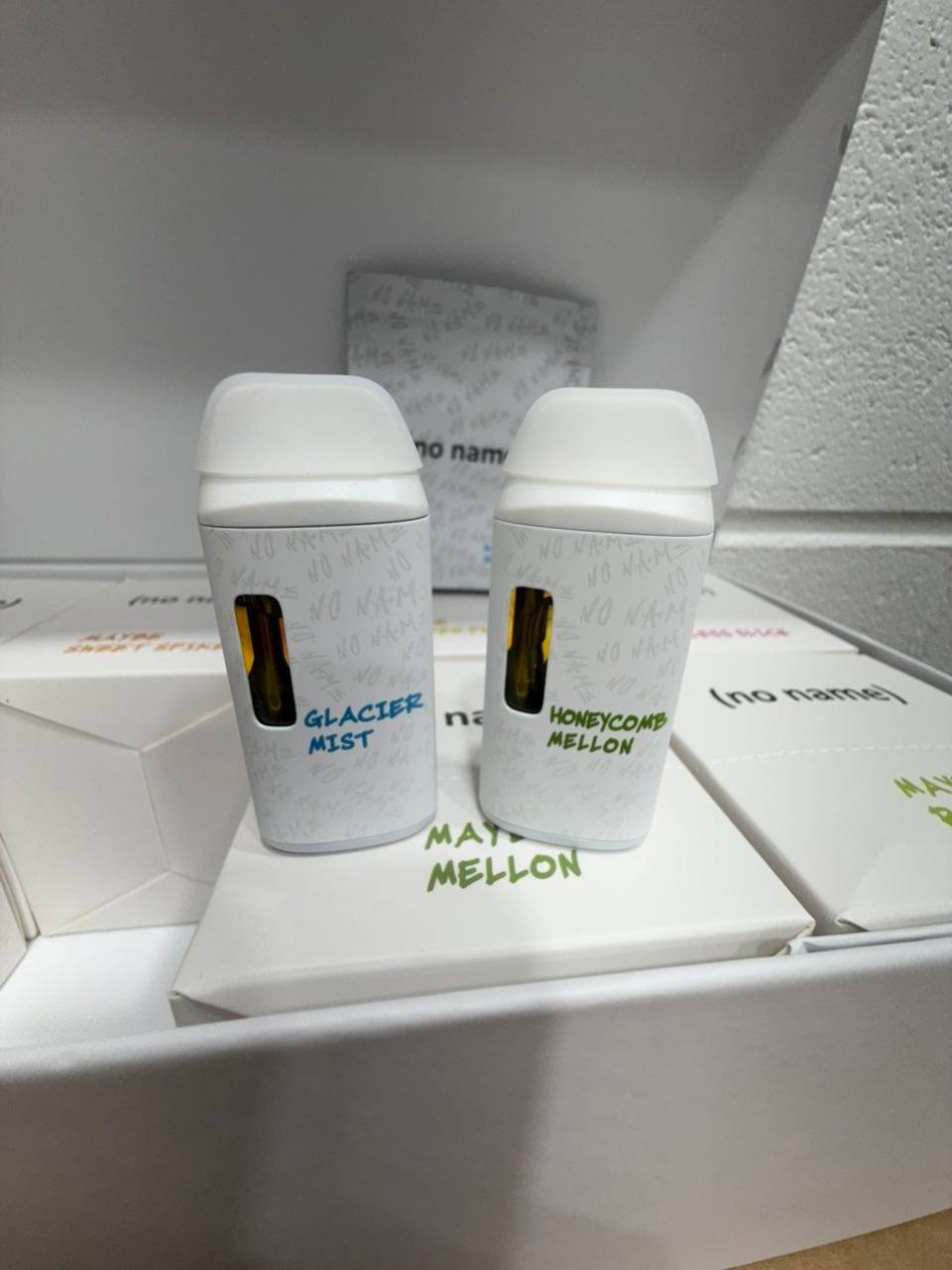
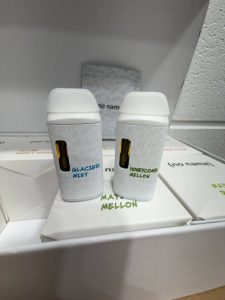
The No Name 2g Disposable is a compact, pre-filled disposable device designed around a 2-gram oil capacity. Its format combines the cartridge, heating system, and battery into one self-contained unit, creating a simple product design with no separate cartridge or external battery.
The device is presented in a portable format that fits easily into everyday storage. Because the battery and oil chamber are integrated, the overall design remains relatively straightforward. The 2g capacity also distinguishes it from smaller disposable formats that commonly contain less oil.
Design and Build
The No Name 2g Disposable follows the familiar all-in-one disposable format. A single body houses the internal battery, heating element, airflow system, and oil reservoir. This construction reduces the number of separate components associated with traditional cartridge systems.
The exterior design can vary depending on the specific production run, packaging, or available version. In general, a disposable of this type is built around portability and convenience rather than elaborate hardware.
The compact construction also means that there is no separate battery housing. As a result, the device remains relatively small while maintaining space for a larger oil reservoir.
2g Capacity
The defining specification is its 2-gram capacity. This refers to the amount of oil contained in the device rather than the physical weight of the entire product.
A 2g format provides a larger reservoir than many 0.5g or 1g disposable products. However, the actual duration of a device can vary considerably. Factors such as draw length, frequency of use, oil formulation, heating characteristics, and battery performance can all influence how quickly the reservoir is depleted.
For that reason, the stated capacity should be viewed as a product specification rather than a guarantee of a particular number of sessions or draws.
Oil and Formulation
The contents of a disposable depend on the specific product batch and manufacturer specifications. Different versions may contain different oil formulations, cannabinoid profiles, terpene blends, or flavor characteristics.
Product packaging is therefore the most reliable source for information about the exact contents. Ingredients, cannabinoid concentrations, batch information, laboratory testing, and other relevant details may differ between products that share a similar device format.
The appearance of the oil can also vary. Color and consistency are not, by themselves, reliable indicators of potency, purity, or quality.
Heating System
The integrated heating system converts the oil into an inhalable aerosol. The heating element is contained within the disposable body, so a separate cartridge battery is not required.
Heating performance can be influenced by several factors, including the viscosity of the oil, the heating element, airflow design, battery output, and device construction. A consistent heating system is generally important to the overall operation of any disposable device.
Because the hardware is integrated, the heating component is not designed to be removed and installed in another device.
Battery System
The battery is built directly into the disposable. Its primary function is to provide electrical power to the heating element.
Battery performance can vary between individual devices and production batches. The usable battery life also depends on how frequently the device is activated and how long each activation lasts.
Some disposable devices include indicators that show when the battery is active or nearing depletion. The exact indicator system depends on the particular version.
Once the integrated battery reaches the end of its usable life, the device generally cannot function normally even if some oil remains.
Airflow and Draw
Airflow is another important part of the disposable design. The internal airflow pathway allows air to pass through the device while the heating element produces the aerosol.
The resistance of the draw can differ from one disposable to another. Some devices provide a more open airflow, while others feel tighter during use. Manufacturing tolerances and oil viscosity can also affect the overall draw.
A blocked or restricted airflow may indicate a hardware or oil-related issue. Conversely, unusually loose airflow can indicate a problem with the device’s internal construction.
Portability
The compact form of a 2g disposable makes portability one of its most noticeable characteristics. Unlike a traditional setup involving a separate battery and cartridge, the disposable contains its primary components within one body.
Its small footprint allows it to occupy relatively little storage space. The absence of separate hardware also reduces the number of individual pieces associated with the product.
At the same time, portability should not be confused with unrestricted handling. The device contains an integrated battery and should be stored and transported according to the manufacturer’s safety information.
Packaging and Identification
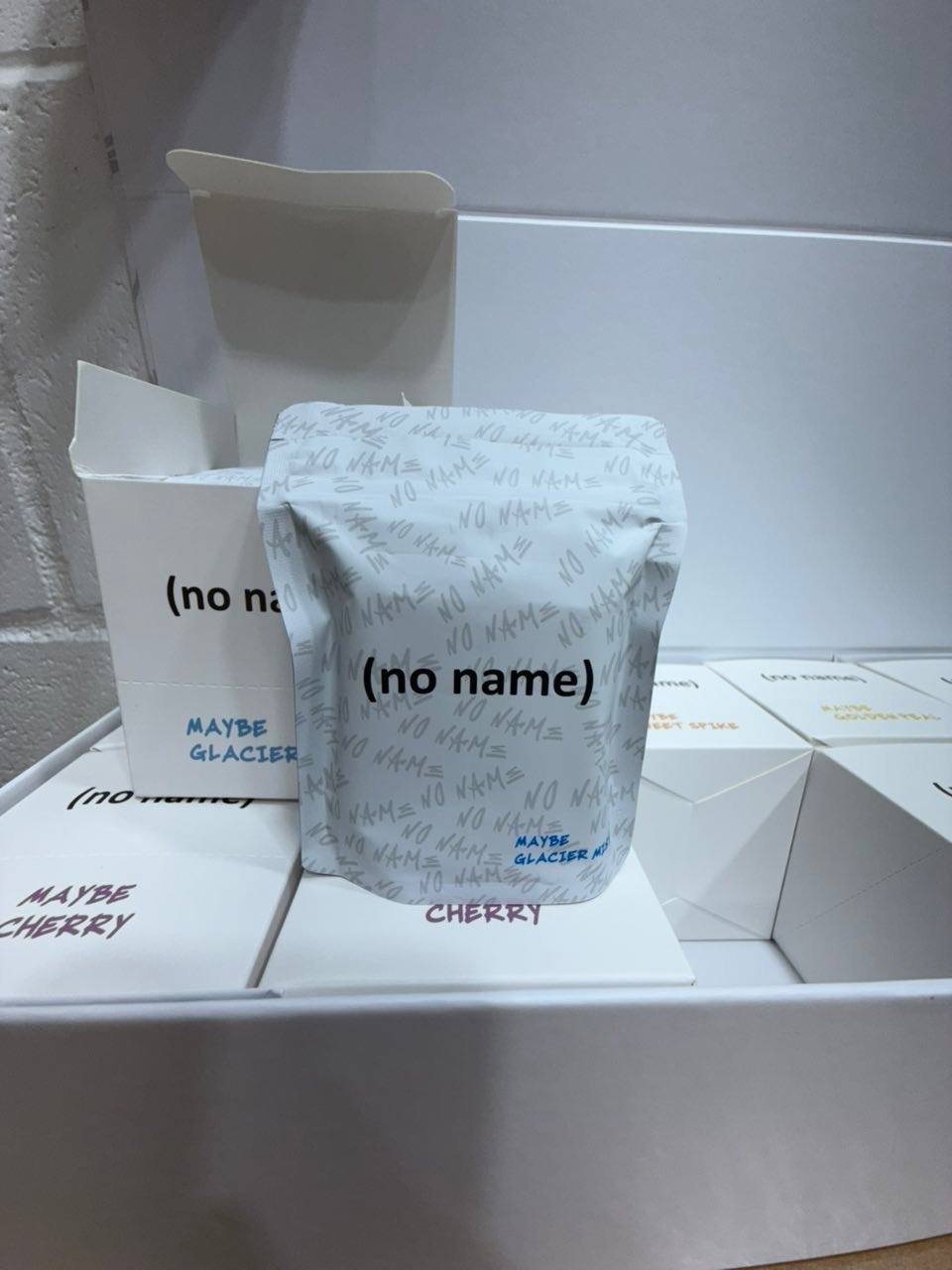
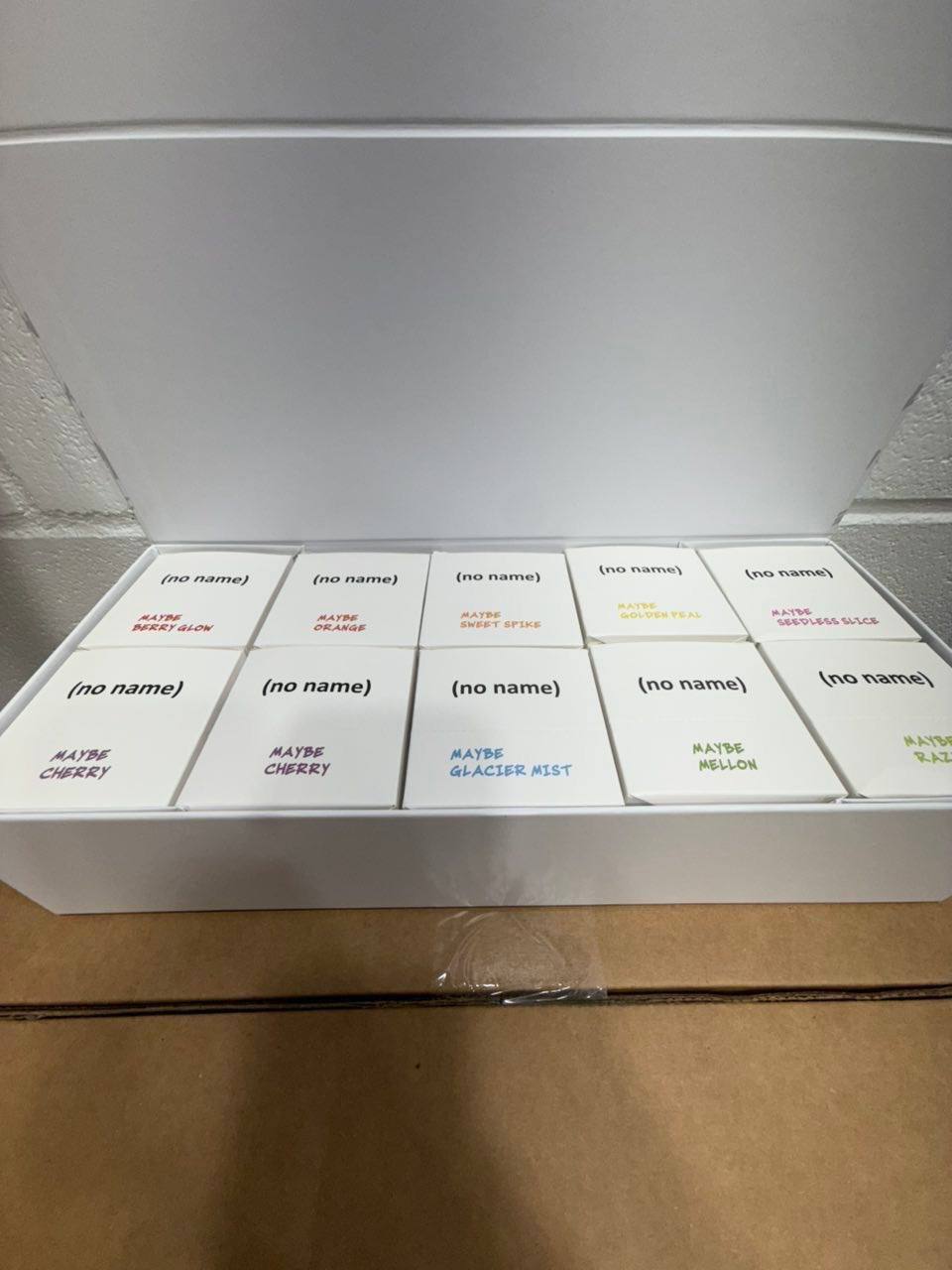
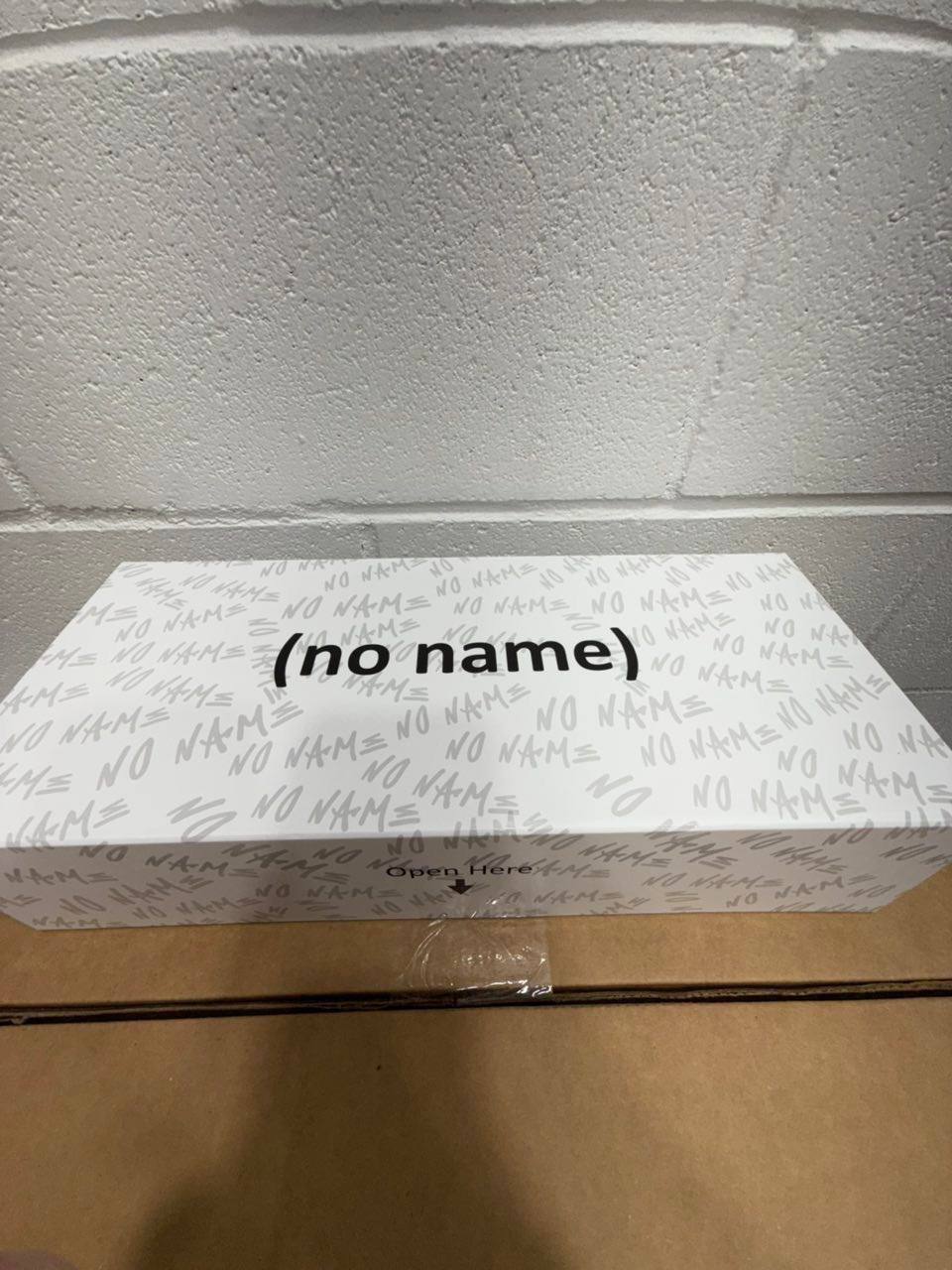
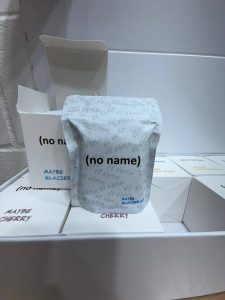
Packaging provides important information about a disposable product. Depending on the manufacturer and market, the package may display the product name, stated capacity, ingredient information, batch number, manufacturing information, testing information, or applicable warnings.
Authenticity information may also be included when a manufacturer uses verification labels or other identification features.
Because branding and packaging can change over time, the information printed on the specific package should take priority over general descriptions found online.
Product Consistency
Consistency can depend on manufacturing quality and batch controls. Two products with the same stated capacity may still differ in hardware characteristics, oil formulation, or performance.
Factors such as storage conditions can also influence the condition of an oil-filled device. Exposure to excessive heat, direct sunlight, or unsuitable storage environments may affect the product over time.
For that reason, the physical condition of the packaging and device can be useful when evaluating an individual product.
Flavor Characteristics
Flavor characteristics depend primarily on the formulation inside the disposable. Terpenes and other aromatic compounds can contribute to the overall sensory profile, while the underlying oil determines much of the product’s composition.
Different batches may feature different flavor profiles. Therefore, specific flavor descriptions should be based on the labeling associated with the particular version rather than assumed from the product name alone.
Flavor perception is also subjective. What one person experiences as sweet, fruity, earthy, herbal, or citrus-forward may be perceived differently by another person.
Storage Considerations
Storage conditions can have an effect on oil-based products and their integrated batteries. A stable environment away from excessive heat and direct sunlight is generally more suitable than prolonged exposure to extreme temperatures.
The device should remain in its original packaging when practical, particularly when the packaging contains safety or identification information.
The product should also be kept away from children and pets. An integrated battery adds another reason for appropriate storage, since damaged or improperly stored lithium-ion batteries can present safety risks.
Device Appearance
The appearance of a No Name 2g Disposable can depend on its particular version. Exterior materials, printed graphics, labeling, mouthpiece design, and indicator placement may differ.
Visual appearance alone should not be treated as proof of authenticity. Packaging details, batch information, manufacturer information, and applicable verification systems provide more useful identification information.
Minor differences in printing or external finish can occur between manufacturing runs. However, significant inconsistencies may warrant additional verification before the product is considered genuine.
Usage Duration
The duration of a disposable cannot be determined solely from its 2g capacity. Individual consumption patterns have a major influence on how quickly the oil reservoir is depleted.
Longer activations generally consume more oil than shorter ones. Similarly, frequent activation typically results in faster depletion than occasional use.
Battery capacity can also influence the usable life of the device. In some cases, the battery may reach the end of its service life before the reservoir is completely empty.
Consequently, the 2g specification describes the amount of oil provided rather than a fixed duration.
Quality and Manufacturing
Manufacturing quality can influence several aspects of a disposable, including airflow, heating consistency, battery performance, oil containment, and overall construction.
Reliable production processes are particularly important for products containing both a battery and an inhalable formulation. Proper sealing helps prevent leakage, while appropriate electrical design helps reduce potential hardware problems.
Laboratory testing, where applicable, can provide additional information about product composition and contaminants. Testing documentation should be associated with the relevant batch rather than assumed to apply universally to every product carrying the same name.
Safety Information
Disposable vape products should be handled carefully because they combine an electronic battery with an inhalable formulation.
The device should not be opened, crushed, punctured, modified, or exposed to excessive heat. A damaged battery can create a fire or other safety hazard.
The contents should not be assumed to be harmless simply because the device is small or disposable. Inhalation products can carry health risks, and cannabinoid-containing products may produce impairment or other effects.
The legal status of cannabinoid and vaping products also varies by location. Local laws and applicable age restrictions should therefore be considered before possession or use.
Authenticity
Authenticity is an important consideration for products sold under recognizable or generic-looking branding. Packaging verification features can sometimes help distinguish an authorized product from an imitation.
Relevant information may include a batch number, QR verification system, manufacturer details, laboratory report, or other identifying information.
However, verification systems differ between manufacturers. A generic description should not be treated as confirmation that a particular unit is authentic.
Environmental Considerations
Disposable electronics contain components that should not simply be treated like ordinary household waste. Batteries and electronic components can require specialized recycling or disposal.
Local electronic-waste regulations determine the appropriate disposal method. Proper handling can help reduce environmental impact while also reducing the risk associated with damaged lithium-ion batteries entering general waste streams.
The disposable format offers simplicity during its usable life, but its electronic construction means end-of-life disposal deserves consideration.
Overall Product Profile
The No Name 2g Disposable represents an all-in-one device format centered around a 2-gram oil capacity. Its integrated construction combines the reservoir, heating element, airflow pathway, and battery into a single unit.
Its main characteristics can be summarized through its capacity, compact construction, integrated battery, and disposable design. Performance, formulation, flavor, and hardware specifications can vary depending on the exact version and manufacturing batch.
For accurate information, the product’s physical packaging and manufacturer documentation remain the most dependable references.
Frequently Asked Questions
What does 2g mean?
The 2g specification generally refers to the amount of oil contained within the device. It does not represent the total weight of the disposable.
Does every version have the same formulation?
Not necessarily. Formulations can vary by product version, batch, market, or manufacturer. The packaging associated with the individual unit provides the most accurate information.
Is the battery replaceable?
The battery in an integrated disposable is generally not designed to be removed or replaced. Once the battery reaches the end of its service life, the device is normally treated as an end-of-life disposable electronic product.
How long does a 2g disposable last?
There is no universal duration. Battery capacity, draw length, frequency of activation, oil viscosity, and hardware characteristics can all affect how long the device remains usable.
Can the device be refilled?
A disposable device is generally manufactured as a closed system rather than a refillable cartridge. Opening or modifying it can damage the hardware and battery.
Does the appearance confirm authenticity?
No. Appearance alone does not establish authenticity. Packaging information, batch details, manufacturer documentation, and available verification systems provide stronger evidence.
How should the device be stored?
A stable environment away from excessive heat, direct sunlight, moisture, children, and pets is generally appropriate. Manufacturer storage instructions should take priority whenever they are available.
The No Name 2g Disposable fits within the compact, integrated disposable-device category. Its 2-gram oil capacity provides a larger reservoir than many smaller disposable formats, while its combined battery and heating system keeps the hardware contained within one unit.
Performance and composition can vary between versions, so specific claims about ingredients, potency, flavor, battery life, or draw count should be supported by the labeling and documentation for the exact product.
Overall, the product is best understood through its documented specifications rather than assumptions based solely on its name, appearance, or stated capacity.
Additional Product Information
Materials and Construction
The construction of a disposable device involves several integrated components working together inside a compact exterior. The outer shell provides structural support, while the internal reservoir holds the oil. A heating element sits within the airflow pathway and is connected to the integrated battery.
The mouthpiece forms the upper section of the device and provides the point through which the generated aerosol passes. Its shape and material can vary between models.
Internal construction is not always visible from the outside. Therefore, claims about specific materials should be based on manufacturer documentation rather than assumptions based on appearance.
The quality of the exterior can also vary. Some versions may feature a smooth finish, while others may have textured surfaces, printed graphics, or additional labeling.
Reservoir Design
The reservoir is one of the central components of a 2g disposable. It stores the oil until it reaches the heating area.
A properly sealed reservoir helps prevent unwanted leakage during normal storage and handling. However, temperature changes, physical damage, manufacturing defects, or prolonged storage can potentially affect the condition of an oil-filled device.
The oil level may also become less visually obvious as the product is used. Depending on the construction, the reservoir may be partially or fully visible through the exterior.
Because different designs use different reservoir materials and layouts, the appearance of one 2g disposable should not be assumed to represent every version.
Mouthpiece Design
The mouthpiece is responsible for directing the aerosol toward the user. Its dimensions can influence the overall feel of the draw.
A compact mouthpiece generally contributes to the portable nature of the device. Some versions may use a rounded profile, while others feature a flatter or more elongated shape.
Cleanliness is also relevant to the mouthpiece. Dust, debris, or residue can interfere with airflow and may affect the overall condition of the device.
For hygienic reasons, the mouthpiece is generally intended for individual use rather than sharing between multiple people.

Airflow Pathway
The airflow pathway connects the exterior air intake with the heating chamber and mouthpiece. Its design influences how air moves through the device.
A balanced airflow system can affect the consistency of the draw. However, airflow characteristics can change if the device becomes obstructed or if oil moves into areas that are not intended to contain it.
The precise internal configuration is dependent on the hardware design. Since the device is disposable, internal components are not normally intended to be serviced by the consumer.
Heating Chamber
The heating chamber contains the component responsible for heating the oil. When electrical power reaches the heating element, heat is generated and the oil is converted into an aerosol.
The performance of this process depends on the heating element, oil characteristics, battery output, airflow, and overall engineering of the device.
Different formulations can behave differently under the same hardware conditions. Thicker oils, for example, can interact with airflow and heating characteristics differently from thinner formulations.
For this reason, hardware specifications and oil composition are closely connected when evaluating the overall design of a disposable.
Battery Indicators
Some integrated disposable devices include a small indicator light. The indicator may illuminate during activation or provide information about battery status.
Indicator behavior varies between manufacturers and models. A light can therefore provide useful information about device activity, but its exact meaning should be confirmed through the relevant product documentation.
Not every disposable includes an indicator. Some designs remain visually minimal and provide limited information about internal battery capacity.
Battery Performance
Battery performance is influenced by the electrical capacity of the cell and the power requirements of the heating system.
A larger oil reservoir does not automatically mean that the battery will provide proportionally longer operation. Both the battery and the heating system need to remain functional for the device to operate normally.
Environmental conditions can also affect battery performance. Extreme temperatures may influence lithium-ion battery behavior, which is why suitable storage conditions are important.
A disposable showing signs of battery damage should not be treated as an ordinary functioning device.
Product Weight and Portability
The physical weight of a disposable depends on the battery, reservoir, housing, mouthpiece, and amount of oil contained inside.
A 2g disposable generally contains more oil than a smaller-capacity disposable, which can influence its overall size and weight. Nevertheless, integrated construction allows manufacturers to keep many disposable designs relatively compact.
Portability is one of the defining characteristics of this product category. The lack of a separate battery and cartridge means fewer individual components are involved in the basic design.
Batch Differences
Products manufactured at different times can sometimes have small differences in appearance or hardware. Packaging artwork may change, while minor manufacturing variations can occur between production runs.
However, meaningful differences in formulation or specifications should be verified through official documentation.
Batch identification becomes especially useful when laboratory results are available. A testing report associated with one batch does not necessarily establish the composition of every other batch.
This distinction helps maintain accurate product information and prevents generalized claims from being applied too broadly.
Laboratory Testing
Laboratory testing can provide information about the chemical composition of an oil-based product. Depending on the jurisdiction and manufacturer, testing may examine cannabinoid concentrations, residual solvents, pesticides, heavy metals, microbial contamination, or other parameters.
Testing standards vary considerably between locations. Therefore, the existence of a laboratory report does not automatically mean that every product meets the same regulatory requirements.
When testing information is provided, the report should correspond to the specific product and batch being evaluated.
Cannabinoid Information
Cannabinoid content can differ significantly between formulations. A product described only by its device capacity does not provide enough information to determine its cannabinoid profile.
For example, the stated 2g capacity describes the quantity of oil but does not independently establish the concentration of any particular cannabinoid.
Accurate cannabinoid information should come from product labeling or applicable laboratory documentation. Assumptions based on brand names, packaging, or flavor descriptions can be misleading.
Terpene Profile
Terpenes are aromatic compounds that occur naturally in many plants. In cannabinoid products, they may contribute to aroma and flavor.
The terpene profile of a disposable depends on its formulation. Some products may use naturally derived compounds, while others may contain added terpene blends.
Specific terpene claims should therefore be supported by labeling or testing information. A flavor name alone does not establish the precise chemical profile of the oil.
Appearance of the Oil
Oil appearance can range from very light to darker shades depending on the formulation and processing methods.
Color can also change over time because of exposure to light, oxygen, temperature, and other environmental factors. Consequently, color by itself is not a dependable measure of potency, freshness, or safety.
Visible particles, unusual separation, leaking, or other unexpected physical changes may indicate that additional evaluation is appropriate.
Leakage Considerations
Leakage is one of the potential issues associated with oil-filled disposable devices. It can result from damaged seals, temperature changes, physical impact, manufacturing problems, or other factors.
A leaking device should be handled carefully. Oil should not be treated as harmless simply because it comes from a disposable product.
External residue around the mouthpiece or airflow openings can also affect the device’s performance. Significant leakage may indicate that the product is no longer in its intended condition.
Temperature and Storage
Temperature can influence both oil and battery behavior.
Excessive heat may affect oil consistency and can place additional stress on an integrated battery. Very cold conditions can also influence battery performance and oil viscosity.
A moderate, stable storage environment is generally preferable. Direct sunlight and prolonged exposure to high temperatures are best avoided.
The manufacturer’s storage recommendations should take precedence because different formulations and hardware designs can have different requirements.
Transportation
The integrated nature of a disposable makes transportation relatively straightforward from a hardware perspective, but the battery still requires appropriate handling.
The device should be protected from crushing, puncturing, excessive heat, and other forms of physical damage.
Transportation requirements can also depend on local laws and the method of travel. Rules concerning battery-powered electronic devices and cannabinoid-containing products may differ between jurisdictions.
Legal Considerations
The legal status of cannabinoid products and vaping devices varies between countries, states, provinces, and municipalities.
Age requirements, possession rules, product testing requirements, labeling standards, and permitted cannabinoid concentrations can all differ.
Consequently, a product description should not be interpreted as confirmation that a particular product is legal in a specific location.
Local regulations and current official guidance provide the appropriate basis for determining legal status.
Responsible Product Information
Accurate product information should distinguish between confirmed specifications and general characteristics.
The 2g capacity is a measurable product specification when stated by the manufacturer. In contrast, statements about exact duration, effects, flavor intensity, or performance can vary between products and individuals.
A useful product description therefore focuses on documented characteristics while avoiding unsupported guarantees.
This approach also makes it easier to compare different products based on meaningful specifications rather than exaggerated claims.
Common Questions About Hardware
Is a 2g disposable larger than a 1g disposable?
Not necessarily in physical size. A 2g device contains twice the stated oil capacity of a 1g device, but the external dimensions depend on the manufacturer’s hardware design.
Does more oil mean a longer battery life?
No. Oil capacity and battery capacity are separate specifications. A larger reservoir does not automatically indicate a proportionally larger battery.
Can the battery be replaced?
Integrated disposable batteries are generally not designed for consumer replacement. Attempting to remove the battery can damage the device and create a safety hazard.
Can the device be repaired?
Disposable devices are generally designed as integrated products rather than serviceable hardware. Opening the housing can expose the battery, wiring, and heating components.
Does oil color determine quality?
No. Oil color alone cannot reliably establish potency, purity, freshness, or quality.
Does a flavor name identify the formulation?
Not necessarily. Flavor names are descriptive and may not provide complete information about cannabinoid content or terpene composition.
Comparison With Other Disposable Formats
A 2g disposable occupies a middle position among different capacity options depending on the market.
Smaller devices may prioritize minimal size and lower oil capacity. Larger-capacity devices may use bigger reservoirs or more complex hardware.
The No Name 2g Disposable can therefore be described primarily through its combination of integrated hardware and stated 2g capacity.
Capacity alone, however, does not establish superior performance. Hardware quality, formulation, battery design, manufacturing standards, and testing information remain important factors.
Final Product Perspective
The No Name 2g Disposable is characterized by an integrated design, a stated 2-gram oil capacity, and a compact hardware format. The battery, reservoir, heating element, airflow system, and mouthpiece are incorporated into one disposable unit.
Its actual characteristics can vary according to formulation, production batch, hardware version, and applicable market requirements. Therefore, the physical packaging and manufacturer documentation remain the strongest sources for exact specifications.
A clear understanding of the device involves more than its capacity alone. Battery design, oil formulation, reservoir construction, airflow, manufacturing quality, testing information, storage conditions, and legal requirements all contribute to the broader product profile.
For cataloging and informational purposes, the most reliable description is one that separates documented specifications from characteristics that may vary between individual units.
Reviews
There are no reviews yet.