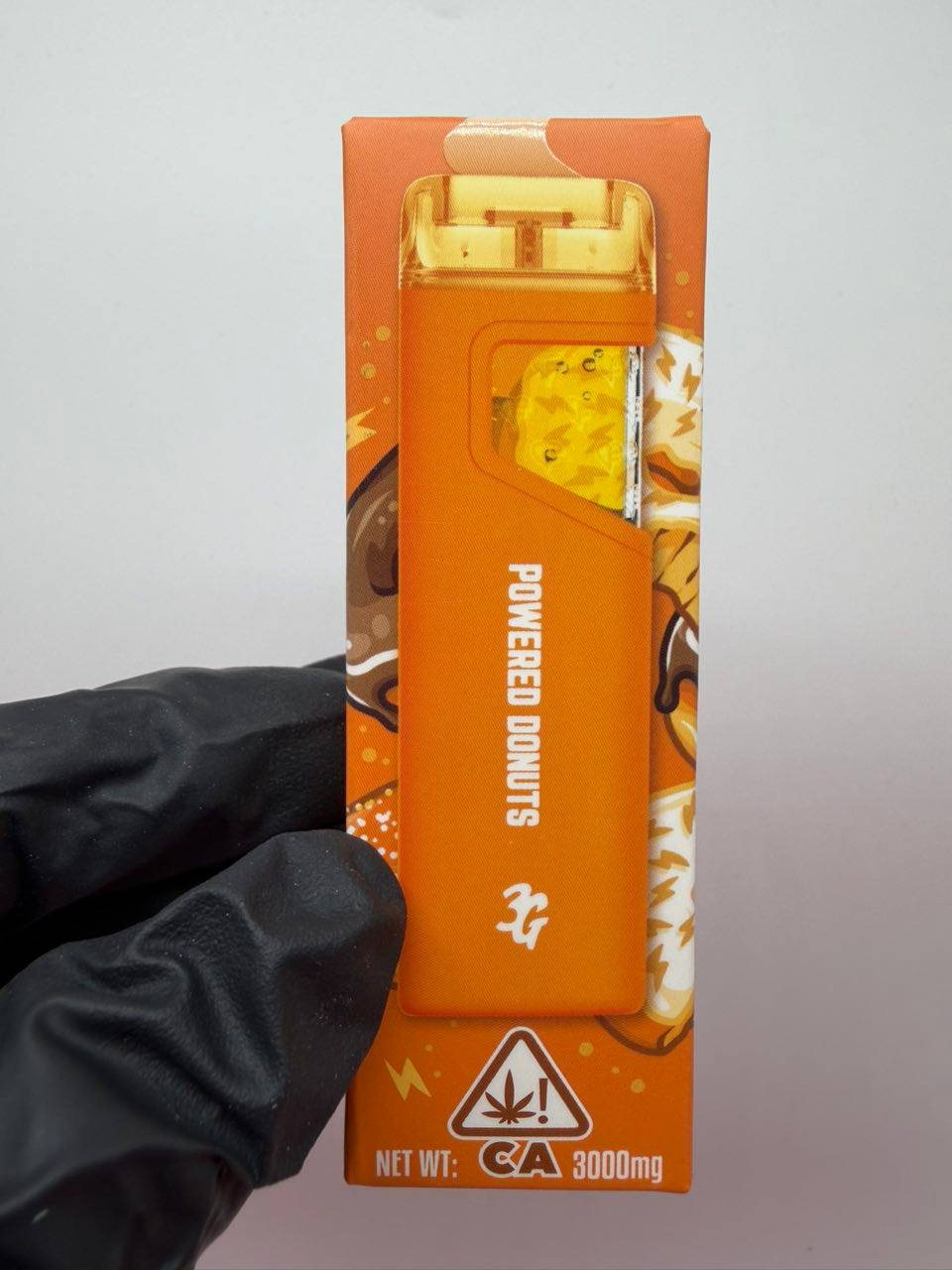
New Favorites 3G Disposable: Product Information
Product Overview
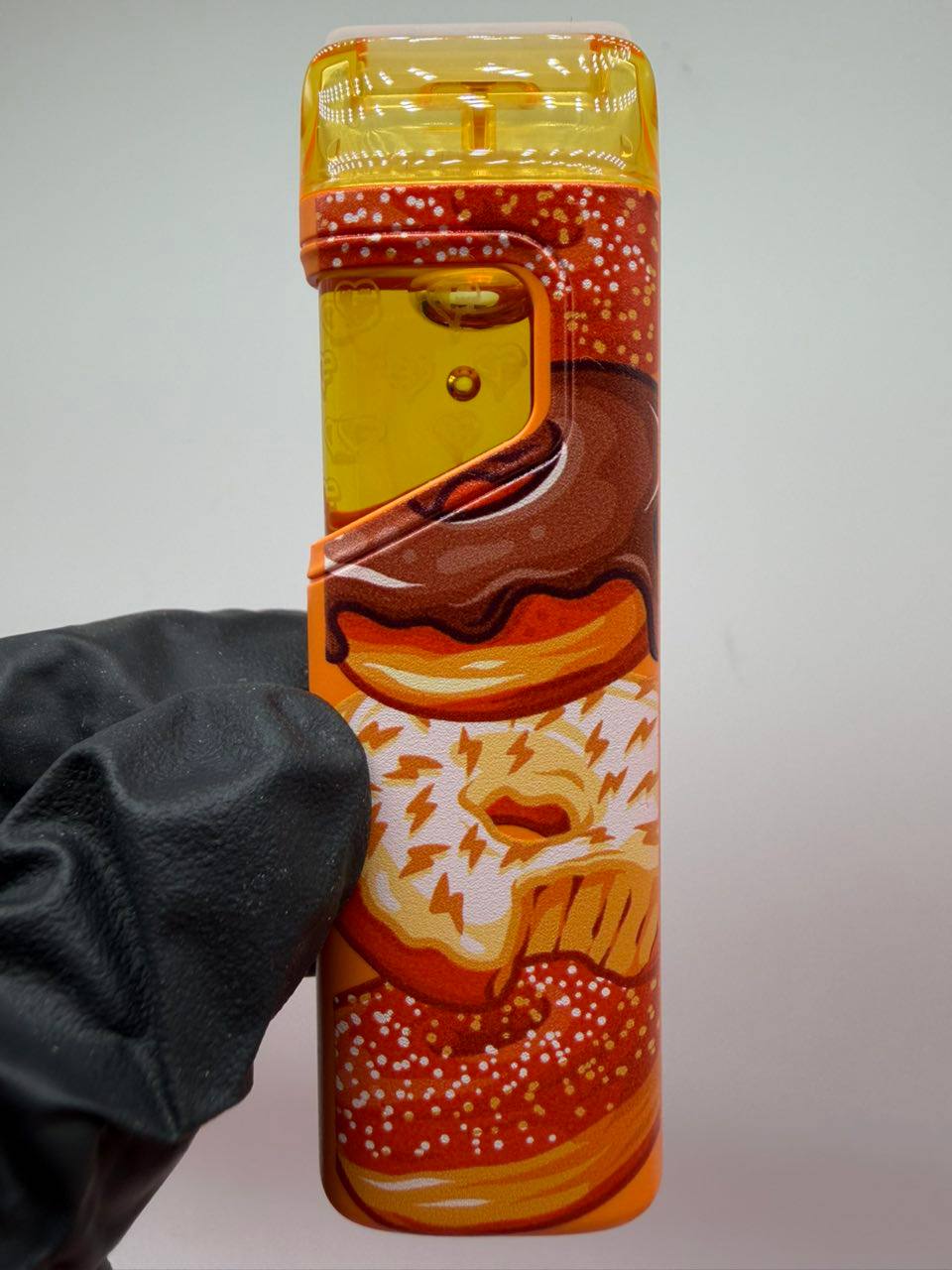
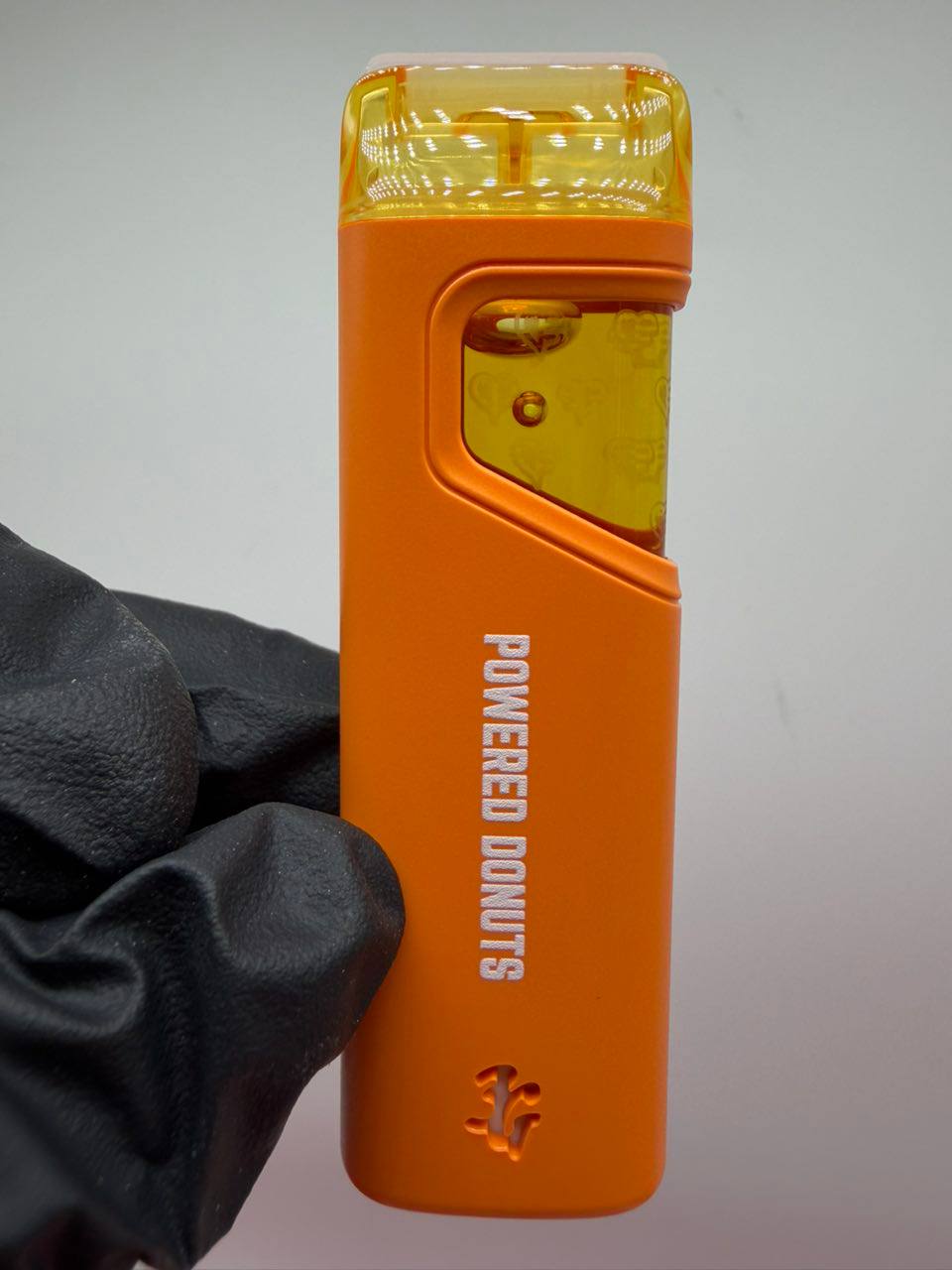
The New Favorites 3G Disposable is a pre-filled disposable vaping device presented in a compact format. The device combines its oil reservoir, heating system, battery, and mouthpiece into one self-contained unit. As a result, there is no separate cartridge or external battery included in the basic disposable design.
The 3G designation generally refers to the stated amount of oil contained in the device. Actual contents, ingredients, cannabinoid concentration, and other specifications can vary by product version and manufacturer. Therefore, the information printed on the individual package remains the most reliable source for the specific unit.
The device has been designed around portability and simplicity. Its enclosed format keeps the main components together, while the disposable construction means the hardware is intended for limited use rather than long-term reuse.
Design and Construction
The physical design typically centers on a compact body that can be carried without the additional components associated with traditional vaping setups. The mouthpiece sits at the top of the device, while the internal reservoir and heating assembly remain enclosed within the body.
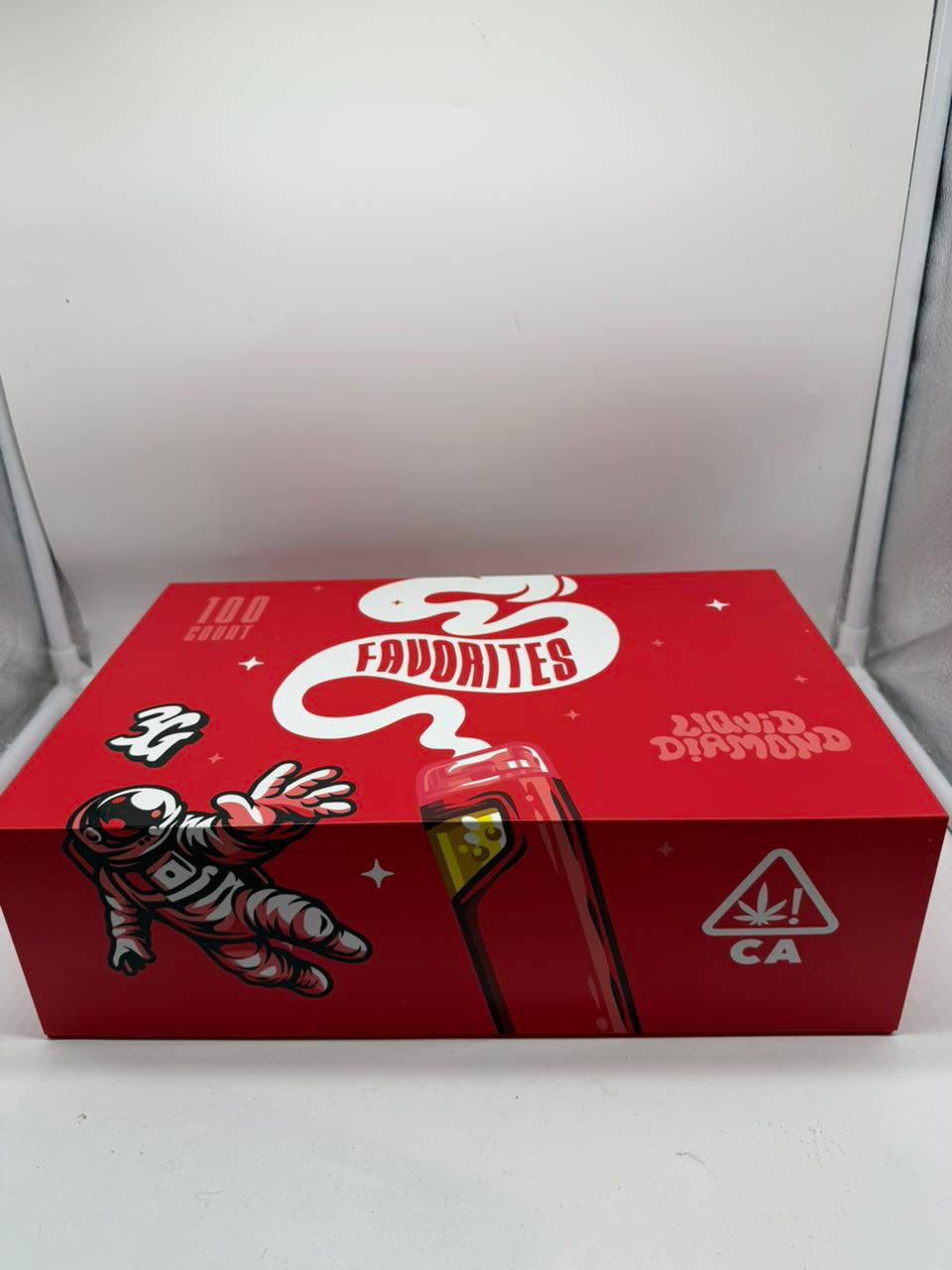
Because disposable devices can be produced in different versions, the exact appearance may differ between batches, flavors, or editions. Packaging artwork, labeling, dimensions, and available finishes should therefore be checked against the specific product received.
In addition, construction details can affect the overall experience. Airflow design, heating technology, reservoir capacity, and battery configuration may vary between manufacturers and product generations.
3G Capacity
The 3G label identifies the advertised oil capacity associated with this product version. Capacity is an important specification because it distinguishes the device from smaller disposable formats.
However, capacity alone does not establish potency, composition, or expected effects. Those details depend on the formulation contained inside the device. Laboratory information and manufacturer labeling provide more meaningful information about cannabinoid content and other ingredients.
For that reason, product specifications should be considered separately from general assumptions about disposable devices.
Oil Composition
The contents of a disposable device can differ substantially depending on the formulation. Some products may contain cannabis-derived extracts, while others can contain additional ingredients intended to influence texture, flavor, or vapor production.
The package label should identify the relevant ingredients and cannabinoid information when those details are required by applicable regulations. Furthermore, a certificate of analysis from an appropriate testing laboratory can provide additional information about potency and contaminants.
Without verified laboratory information, specific claims about cannabinoid concentration, terpene percentages, extraction methods, or purity should not be assumed.
Flavor Information
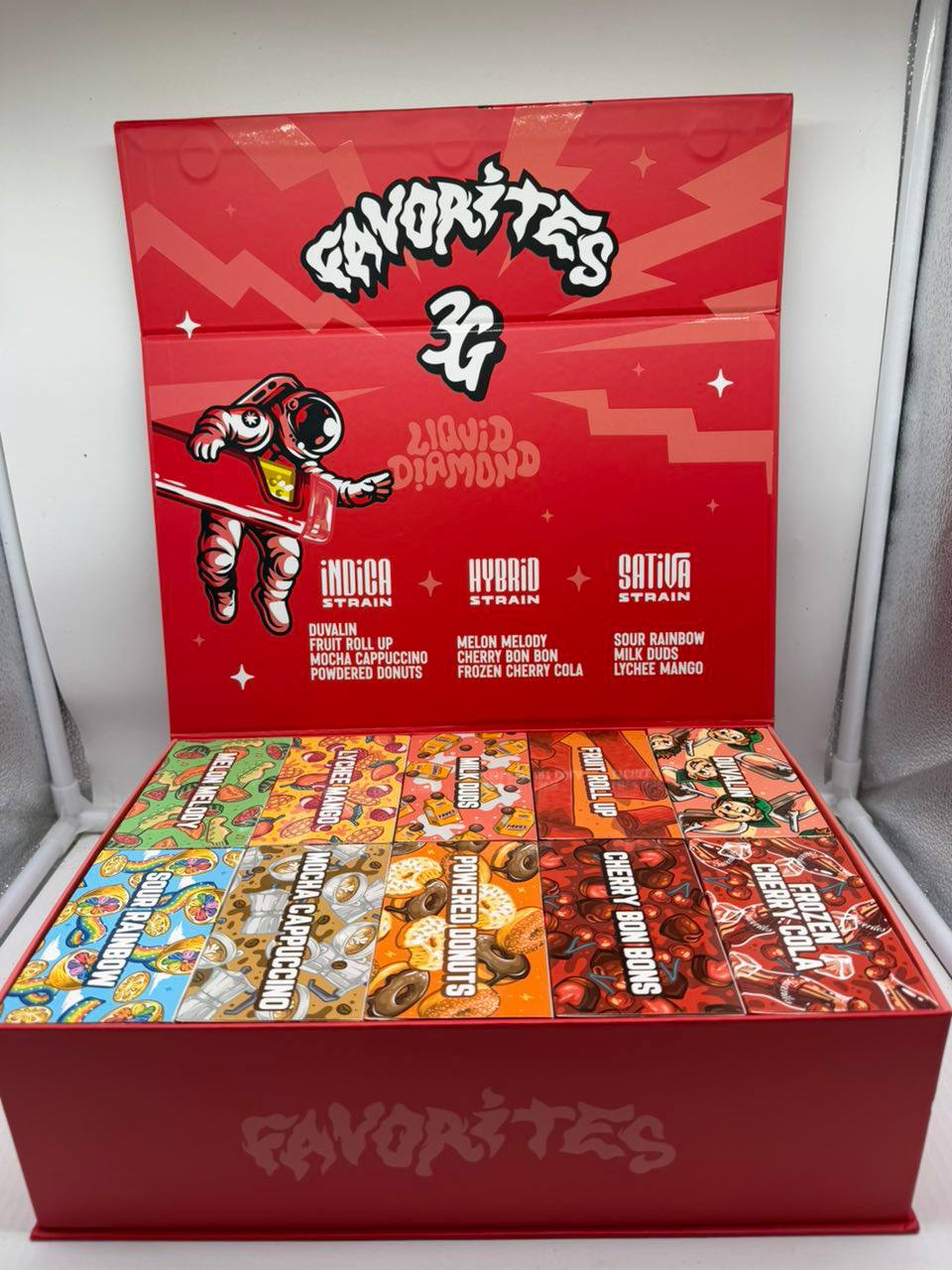
Flavor names and available varieties can change between product releases. A particular New Favorites 3G Disposable may therefore be offered in several different formulations or flavor profiles.
Flavor descriptions are best treated as product-specific information rather than universal characteristics. For example, one edition may emphasize fruit-inspired notes, while another may have a different aromatic profile.
The exact flavor name, ingredients, and formulation should be confirmed using the packaging associated with the individual product.
Heating System
A disposable vape relies on a heating element to convert the liquid or extract into an inhalable aerosol. The heating element is positioned within the internal assembly and is activated according to the device’s design.
Different disposable products can use different heating technologies. Consequently, specifications should not be attributed to this product unless they have been confirmed by the manufacturer.
The internal system is normally enclosed, so individual components are not intended to be serviced or replaced by the consumer.
Battery and Hardware
The battery supplies power to the heating element. Depending on the specific model, a disposable device may have a fixed battery or another configuration specified by its manufacturer.
Battery specifications are important because they can affect the operating characteristics of the device. Nevertheless, information such as battery capacity, charging capability, activation method, and charging interface should be confirmed from the packaging or manufacturer’s documentation.
The hardware should also be kept away from excessive heat, moisture, and physical damage.
Packaging and Labeling
Packaging provides important information about the particular product version. Depending on local requirements, the label may include information such as ingredients, cannabinoid content, batch identification, manufacturing information, testing details, warnings, and age restrictions.
Authenticity information can also be relevant when a manufacturer provides verification features. These details are especially useful because packaging and product appearance alone may not establish authenticity.
Before relying on product specifications, the information printed on the package should be compared with available manufacturer or laboratory documentation.
Product Identification
Product identification becomes particularly important when multiple versions share similar names or packaging. A complete product name may include an edition, flavor, production batch, or other identifying information.
The 3G designation identifies the stated capacity, but it does not necessarily identify the exact formulation. Therefore, the complete label should be considered when distinguishing one version from another.
Batch information can also help connect a physical product with its corresponding laboratory documentation when such documentation is available.
Quality and Testing
Testing information can provide useful insight into the contents of a cannabis-derived product. Depending on jurisdiction and manufacturer practices, laboratory testing may evaluate cannabinoid potency as well as certain contaminants.
Potential testing categories can include pesticides, heavy metals, residual solvents, microbial contamination, and other substances relevant to product safety.
A laboratory report should correspond to the specific batch whenever possible. General statements about a brand or product line do not necessarily establish the characteristics of every individual unit.
Responsible Product Information
Cannabis products can have different legal requirements depending on where they are sold or possessed. Age restrictions, possession rules, labeling standards, and permitted cannabinoid concentrations can vary by jurisdiction.
Additionally, individuals can respond differently to cannabis and cannabinoid products. Effects may depend on factors such as cannabinoid composition, individual tolerance, and the amount consumed.
This product information should therefore not be interpreted as a recommendation to use cannabis or as a guarantee of particular effects.
Storage Considerations
Storage conditions can influence the condition of a disposable device and its contents. Excessive heat may affect internal components and the consistency of the oil, while moisture can create problems for electronic hardware.
A cool, dry environment away from direct sunlight is generally more suitable for electronic disposable products. The device should also remain away from children and pets.
Physical damage to the casing, battery, or mouthpiece can create additional concerns. A damaged device should not be treated as equivalent to an intact product.
Authenticity and Verification
Counterfeit products can sometimes resemble legitimate products closely. Packaging appearance alone may therefore be insufficient for verification.
Where available, manufacturer authentication systems, batch information, laboratory reports, and authorized distribution documentation can provide stronger evidence of product identity.
Differences in packaging, labeling, printing quality, or product construction may also warrant additional verification. However, none of these characteristics should be treated as definitive without supporting information from the relevant manufacturer or testing source.
The New Favorites 3G Disposable is a compact, self-contained vaping format identified by its advertised 3G capacity. Its exact formulation, hardware specifications, flavor, potency, and testing information depend on the particular version and production batch.
For accurate product information, the physical packaging and corresponding laboratory documentation should take priority over generalized descriptions. In addition, local regulations should be considered because requirements surrounding cannabis and cannabinoid products differ between jurisdictions.
The result is a product page that can provide useful factual information without making unsupported claims about ingredients, potency, effects, or performance.
Product Experience and Physical Format
The physical format of a disposable device is one of its defining characteristics. Unlike a traditional setup that may contain a separate battery and replaceable cartridge, the components are housed within one unit. This creates a compact product profile while also limiting the ability to replace individual parts.
The enclosed construction can also make the device easier to identify and store. At the same time, the internal components cannot normally be inspected without damaging the hardware. Consequently, product information should come from the label, manufacturer documentation, and applicable laboratory records rather than assumptions based solely on appearance.
Reservoir and Internal Components
The reservoir contains the product formulation and connects to the heating assembly. When the device is activated, the heating element converts the formulation into an aerosol that passes through the internal airflow path and exits through the mouthpiece.
The reservoir, heating element, battery, and airflow system work together as an integrated assembly. Because these components are enclosed, repairs and component replacements generally are not part of the disposable format.
The exact internal configuration may differ among production versions. For that reason, technical specifications should only be included when they have been confirmed for the particular model.
Activation and Airflow
Disposable devices can use different activation systems. Some are activated when airflow is detected, while others incorporate a button or another mechanism.
Airflow design also differs between models. The amount of air entering the device can influence how the aerosol is produced, although the precise characteristics depend on the hardware and formulation.
Since manufacturers may change hardware between product generations, older descriptions should not automatically be applied to newer versions.
Product Variations
A product line may contain several variations distinguished by flavor, formulation, packaging, or production edition. Although the overall design can remain similar, individual versions may have different specifications.
This distinction is particularly relevant when product listings are created for multiple varieties. A clear listing can identify the exact edition shown on the packaging rather than combining information from unrelated versions.
Likewise, a product name alone may not establish the exact contents. Batch-specific documentation remains more reliable for detailed information.
Cannabinoid Information
Cannabinoid content is one of the most important pieces of information associated with cannabis-derived products. Depending on the formulation, a product may contain different cannabinoids in varying concentrations.
The stated 3G capacity describes the quantity of material advertised for the device. It should not be interpreted as a measurement of cannabinoid potency.
Potency information should instead be obtained from the product label and, where available, an applicable certificate of analysis. These sources can provide more specific information about the formulation associated with a particular batch.
Terpene and Aroma Information
Terpenes contribute to the aroma and flavor characteristics associated with many cannabis-derived formulations. Different formulations can contain different terpene profiles, which may influence their sensory characteristics.
However, terpene claims should be supported by product documentation. A flavor name does not necessarily indicate the complete terpene composition.
When laboratory information is available, the corresponding report can offer a clearer picture of the compounds identified in a particular batch.
Manufacturing Information
Manufacturing details can help establish the identity and origin of a product. Depending on the applicable regulations, packaging may identify a manufacturer, production date, batch number, lot number, or testing laboratory.
These details can also make product records easier to trace. If a question arises concerning a specific unit, the batch information can be useful when contacting the manufacturer or reviewing laboratory documentation.
Because manufacturing practices can change over time, current documentation is preferable to information copied from older product listings.
Packaging Appearance
Packaging can vary according to the edition, flavor, market, or production period. Changes in artwork do not necessarily indicate a change in the formulation, although significant differences should be verified.
Labels may contain regulatory information in addition to branding and product identification. The placement and wording of these details can also vary according to local requirements.
A product listing should therefore avoid treating packaging appearance as proof of technical specifications unless those specifications have been verified.
Product Consistency
Consistency can refer to several different characteristics, including the physical appearance of the formulation, the operation of the hardware, and the information printed on the packaging.
Changes between batches can occur, particularly when formulations or manufacturing processes are updated. Consequently, batch-specific information remains valuable when detailed accuracy matters.
Claims about uniform performance across every unit should be avoided unless they are supported by appropriate manufacturer information.
Storage and Handling Information
Electronic disposable products benefit from appropriate storage conditions. Direct sunlight, extreme temperatures, moisture, and physical impact can affect the condition of the hardware or its contents.
The product should remain in its original packaging when practical, particularly when the packaging contains important identification and regulatory information.
The device should also be kept away from children, pets, and anyone who is not legally permitted to possess the product. Local storage and possession requirements should always be considered.
Battery Safety Information
The integrated battery is an electronic component that requires appropriate handling. A damaged, leaking, swollen, unusually hot, or otherwise compromised device should not be treated as a normal product.
Disposable hardware should not be modified or opened. Altering the battery or internal wiring can create risks that are not present when the device remains intact.
Disposal should also follow applicable local requirements for electronic devices and batteries where such systems are available.
Product Label Accuracy
Accurate labeling helps distinguish verified product information from assumptions. A complete label may identify the product name, formulation, capacity, batch information, ingredients, cannabinoid concentration, testing information, and required warnings.
When information differs between an online listing and the physical package, the physical packaging and current manufacturer documentation should generally receive greater attention.
This approach also helps reduce confusion between similarly named products.
Laboratory Documentation
A certificate of analysis, when available, can provide batch-specific information about a product. Depending on the laboratory and applicable regulations, testing can cover cannabinoid levels and various potential contaminants.
The report should correspond to the product’s batch or lot number. A laboratory report for another batch does not necessarily establish the composition of the unit being examined.
Testing documentation can therefore serve as an important supplement to the product label.
Legal and Regulatory Considerations
Cannabis and cannabinoid products are regulated differently around the world. Laws can address age requirements, possession, transportation, advertising, labeling, testing, and permitted cannabinoid concentrations.
A product that is permitted in one jurisdiction may be restricted or prohibited in another. Therefore, product information should not be interpreted as confirmation that possession or use is lawful in a particular location.
Local regulations remain the appropriate source for determining the legal requirements that apply to an individual situation.
Age Restrictions
Many jurisdictions impose minimum-age requirements for cannabis products. These requirements can differ depending on the location and the type of product involved.
Retailers and consumers should follow the rules applicable to their jurisdiction. Age restrictions should also be reflected in product listings where required.
Disposal Information
Because the device contains electronic components and an integrated battery, disposal should be handled responsibly. It should not automatically be treated in the same way as ordinary household waste.
Local waste-management authorities may provide specific instructions for batteries and electronic devices. Following those requirements can reduce the chance of improper disposal.
The product should also remain intact rather than being opened for disposal purposes.
Frequently Asked Questions
What does 3G mean?
The 3G designation generally refers to the advertised amount of material contained in the device. It does not describe the cannabinoid potency.
Is the battery replaceable?
The disposable format uses integrated hardware. A replaceable battery should not be assumed unless the manufacturer specifically identifies the device as having one.
Does every version have the same formulation?
Not necessarily. Different editions, flavors, and production batches can contain different formulations. The individual package provides the most relevant information for a specific unit.
How can the product be verified?
Verification can involve checking the packaging, batch information, manufacturer details, authentication features, and applicable laboratory documentation.
Does the 3G capacity indicate strength?
No. Capacity and potency are separate specifications. Cannabinoid concentration should be checked on the product label or applicable laboratory report.
Can the internal components be replaced?
The disposable format is generally built as an integrated unit. Internal components should not be opened or modified.
Where should product specifications come from?
Manufacturer documentation, product labeling, and batch-specific laboratory information are preferable sources for technical and formulation details.
Information for Product Listings
A detailed product listing benefits from separating confirmed specifications from general descriptions. Capacity, formulation, flavor, hardware, and testing information should each be presented according to the information available for the exact product.
This method creates clearer product pages and reduces the possibility of unsupported claims. It also makes the information easier for readers to understand.
Where a specification has not been confirmed, it is better to identify it as unavailable than to fill the gap with assumptions.
Closing Overview
The New Favorites 3G Disposable represents a self-contained format built around an integrated reservoir, heating assembly, battery, airflow path, and mouthpiece. Its advertised 3G capacity identifies the stated amount of material associated with the device, while formulation and potency require separate verification.
Product variations can differ in flavor, ingredients, cannabinoid profile, hardware, and packaging. Therefore, the most accurate description should always correspond to the exact edition and batch being represented.
Clear labeling, reliable testing documentation, responsible storage, and awareness of local regulations provide useful context when evaluating this type of product. Above all, product specifications should be based on verifiable information rather than assumptions drawn from the name or appearance alone.


Reviews
There are no reviews yet.