KRT 2G Disposable With Screen: A Closer Look at Its Design and Display
An Overview of the KRT 2G Disposable With Screen
The KRT 2G Disposable With Screen is identified by two notable features in its product name: a 2G designation and an integrated screen. These details provide a starting point for understanding the product’s general design and the role that a display can play in a compact electronic device.
Modern disposable devices come in different shapes, sizes, and configurations. Some feature simple exterior designs, while others incorporate digital displays and additional electronic components. The screen distinguishes this model by introducing a visual interface to its overall layout.
However, the exact functions of the display depend on the specific model. Battery information, operating indicators, and other readings should not be assumed without confirmation from the manufacturer or reliable product documentation.
A Screen-Based Interface and Its Role
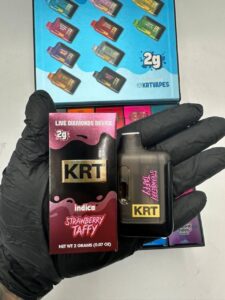
A built-in screen is a recognizable design feature that separates certain electronic devices from models with no visual display. Rather than relying entirely on indicator lights, a screen can present information through numbers, symbols, or other visual elements.
The usefulness of this feature depends on what the manufacturer has programmed it to show. For example, some electronic devices use screens to display battery status or operating information. Nevertheless, those functions are not confirmed specifications for every KRT-branded model.
Clear product documentation helps establish which indicators appear on the display and what each one represents. Consequently, accurate information about the screen should come from packaging, manufacturer instructions, or verified product specifications.
Exterior Design and Device Layout
The exterior design of a disposable electronic device affects its dimensions, appearance, and general handling characteristics. Product details such as body shape, surface finish, button placement, and screen position can help distinguish one model from another.
The KRT 2G Disposable With Screen can be identified by its product designation, but its precise dimensions, materials, available colors, and construction details require model-specific confirmation.
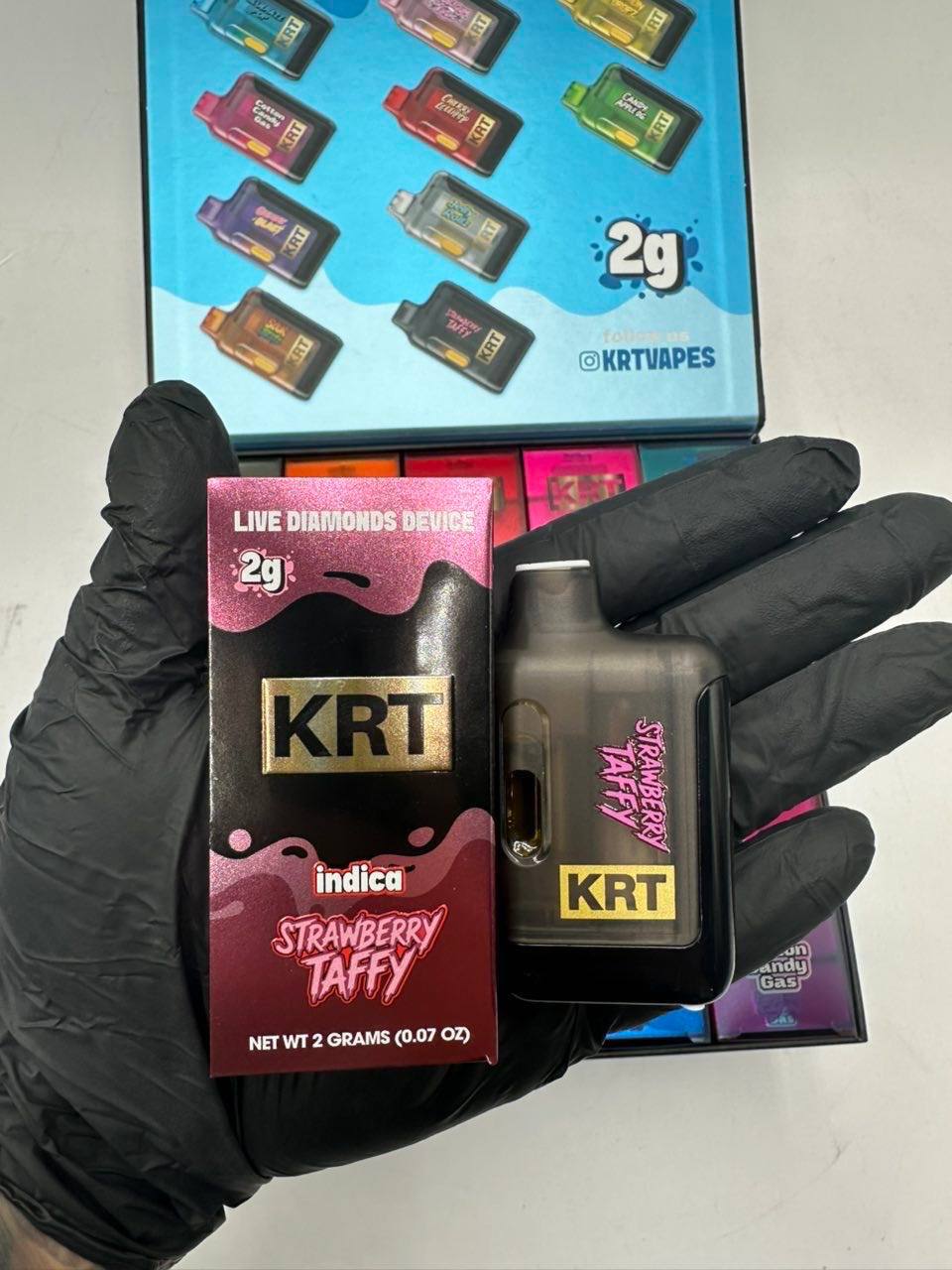
Likewise, photographs of the actual product provide a useful reference for its physical appearance. Images should represent the correct version rather than a similar device from another product line.
Understanding the 2G Product Designation
The term “2G” appears in the product name. Its precise meaning should be confirmed through the manufacturer’s labeling and product documentation before it is interpreted as a particular quantity or measurement.
Product names sometimes use abbreviated capacity descriptions, but naming conventions can differ between manufacturers and product categories. Therefore, a verified specification sheet is the most reliable source for determining the exact meaning of this designation.
Product Identification and Authenticity
Accurate identification is important when several products share similar names or exterior designs. Packaging details, batch information, manufacturer documentation, and applicable compliance labels can help establish whether a listing corresponds to the intended model.
Additionally, product photographs should match the item described in the listing. Differences in screen placement, exterior markings, packaging, or model identifiers may indicate a different version.
The availability of verification information varies by manufacturer and market. Accordingly, claims about authenticity, laboratory testing, ingredients, or product quality should only appear when supported by appropriate documentation.
Technical Information and Verified Specifications
A complete product record may include the manufacturer’s name, model identifier, listed capacity, physical dimensions, battery specifications, and display functions. The information should remain consistent across the product page, packaging, and accompanying documentation.
Where a specification has not been confirmed, it is better to identify it as unavailable than to substitute an estimate. This approach helps readers distinguish documented facts from assumptions.
The KRT 2G Disposable With Screen is distinguished in its name by its screen-equipped design and 2G designation. A reliable product listing benefits from clear identification, accurate specifications, representative photographs, and transparent documentation.
Ultimately, the manufacturer’s verified information provides the strongest basis for describing the exact model. Unconfirmed claims about performance, ingredients, capacity, or display functions should remain outside the product description until reliable evidence becomes available.
How the Display Contributes to the Product’s Identity
The inclusion of a screen is one of the defining details in the KRT 2G Disposable With Screen product name. A visible display can give an electronic device a more modern appearance while providing space for information relevant to its design.
Unlike a device that relies exclusively on small indicator lights, a screen may support different visual elements depending on its software and hardware. However, the specific information shown on this KRT model requires confirmation from reliable product documentation.
Furthermore, the placement and size of the display can influence the overall appearance of the exterior. Its relationship with the body, visible markings, and other components contributes to the product’s visual identity.
Appearance, Portability, and Everyday Handling
The physical design of a compact electronic device often influences how it fits into a person’s daily environment. Overall dimensions, weight, surface texture, and body shape all contribute to its handling characteristics.
Nevertheless, the exact size and weight of the KRT 2G Disposable With Screen should not be estimated from its name alone. Product photographs can help illustrate its appearance, although images do not provide a dependable measurement of physical dimensions.
Similarly, material descriptions should reflect confirmed specifications. Plastic, metal, and composite materials can create different finishes and levels of durability, but the construction of this particular model requires verification.
The Importance of Clear Product Photography
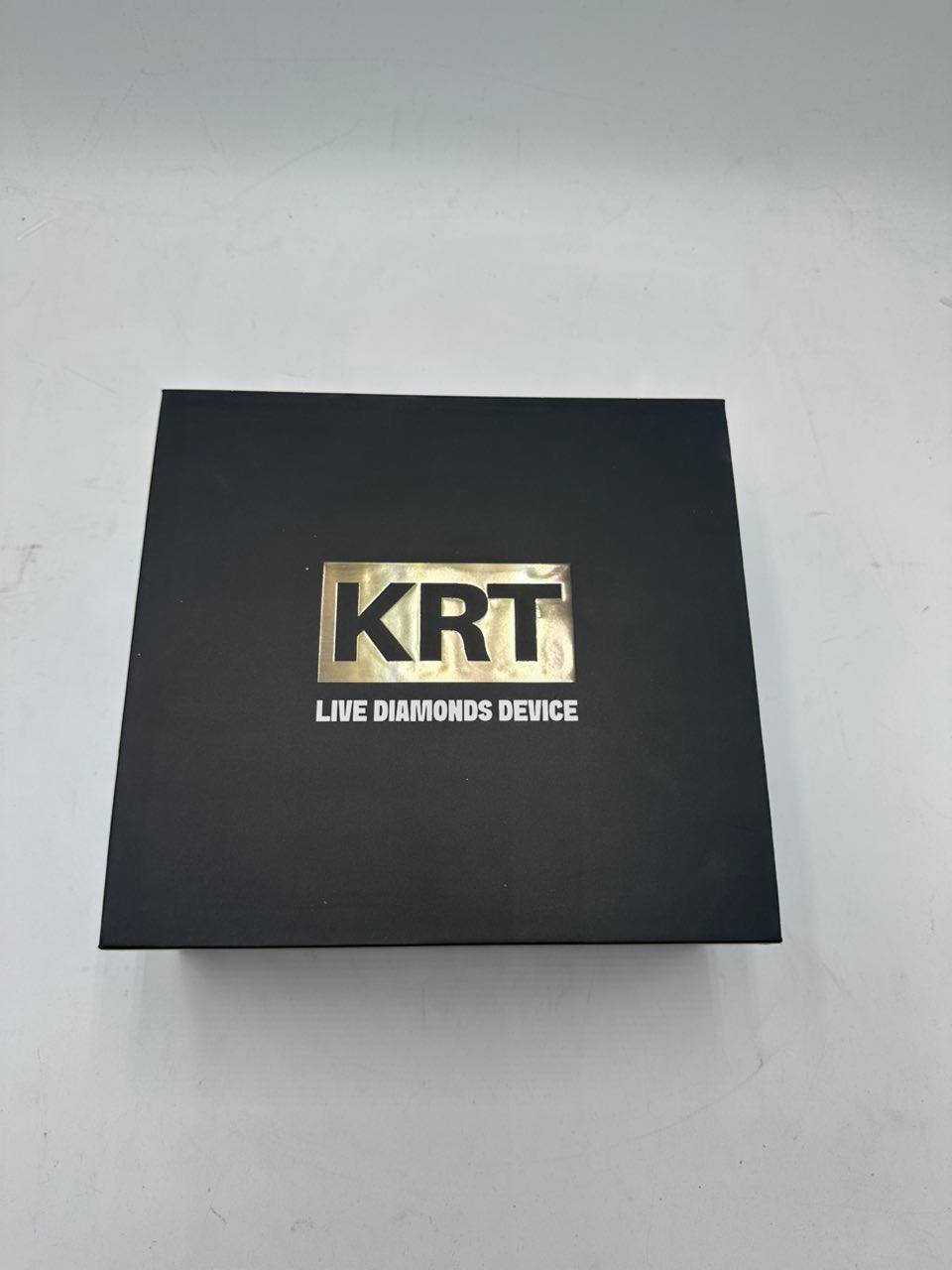
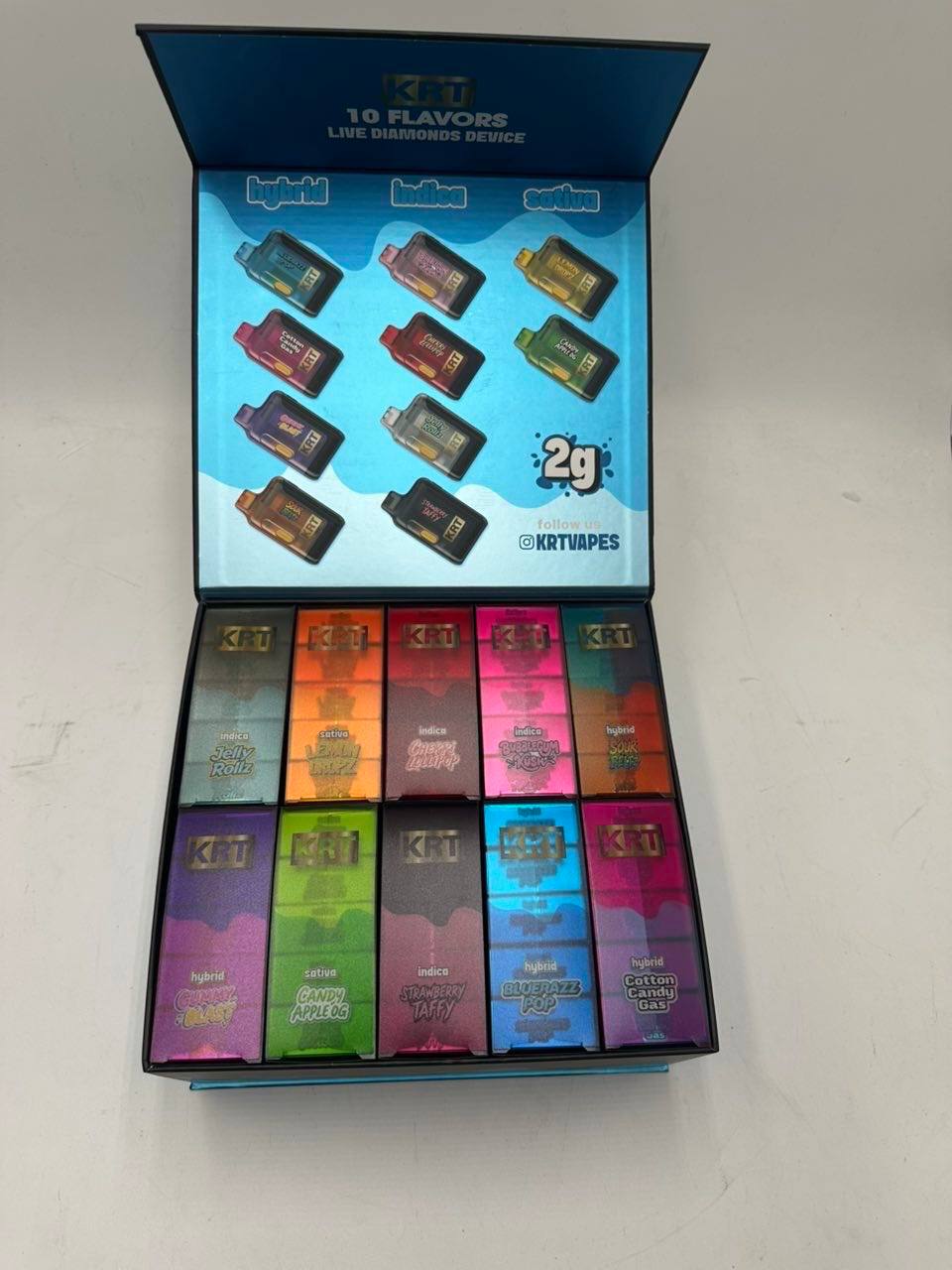
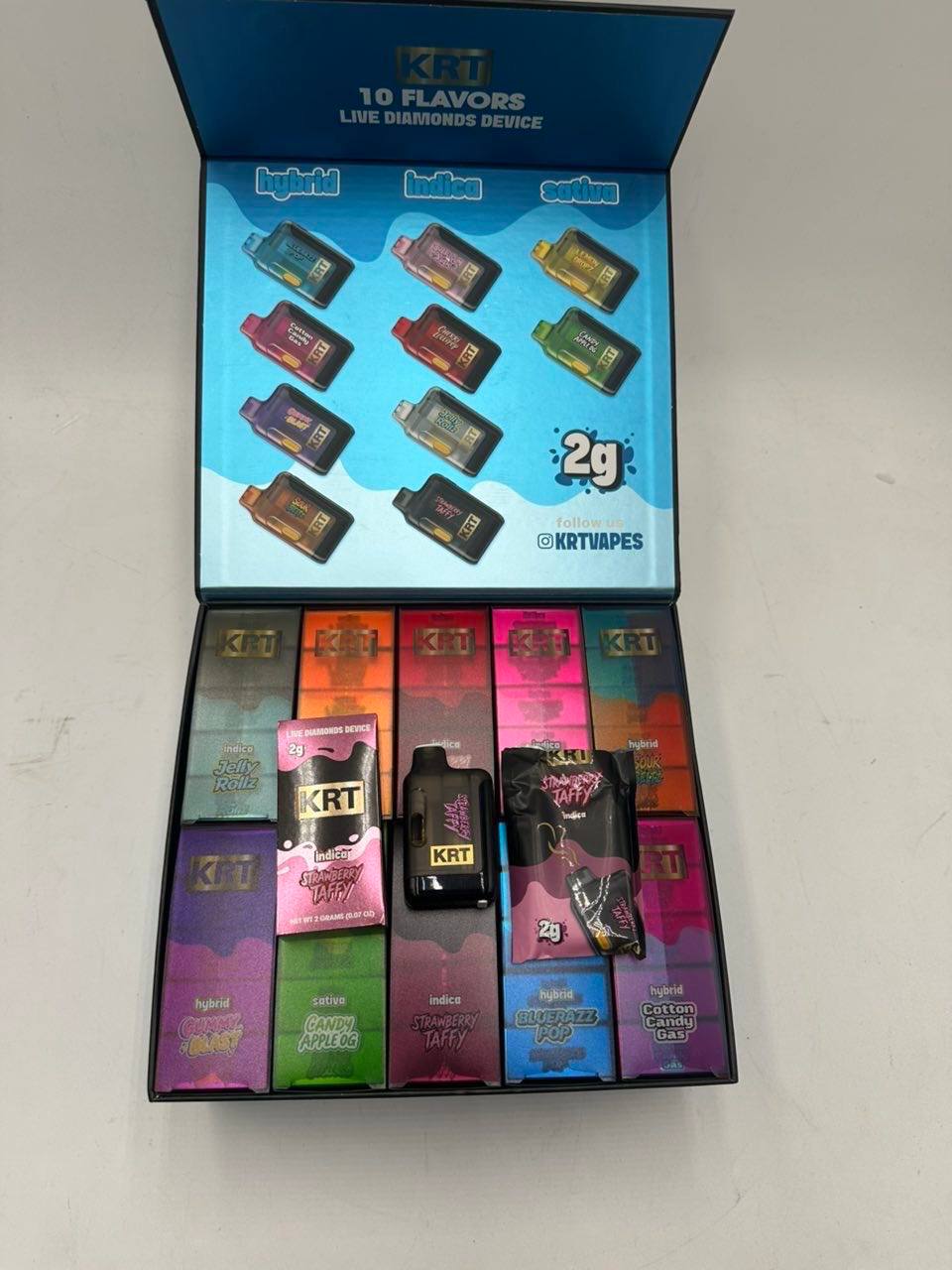
Product photography provides a visual reference for shoppers who want to understand an item’s appearance before making a purchasing decision. For a screen-equipped device, useful photographs may show the front, back, sides, exterior markings, and original packaging.
In addition, clear images help distinguish between similar product versions. A photograph of the actual model is more informative than a generic image of a device with a comparable shape.
Lighting and image quality also matter. Sharp photographs make printed information easier to examine, while accurate colors help readers understand the product’s visible finish. Even so, images should not be treated as proof of authenticity, internal specifications, or safety compliance.
Packaging Details and Product Identification
Packaging can provide essential information about a product’s identity. Depending on the manufacturer and market, the label may contain the model name, manufacturer details, batch identification, ingredients, warnings, or other required information.
The exact details available for the KRT 2G Disposable With Screen have not been independently established here. Therefore, any product page should reflect the information printed on the actual packaging rather than relying on assumptions based on similar products.
Where applicable, a batch number or verification feature may help establish whether the item corresponds to the manufacturer’s records. However, a printed code alone does not automatically establish authenticity.
Responsible Presentation of Product Claims
Accurate product information helps establish realistic expectations. Claims about battery life, display accuracy, material quality, ingredients, or expected longevity should be supported by appropriate evidence.
For example, an integrated screen does not necessarily confirm that a device displays a battery percentage. Likewise, a product name containing a numerical designation does not independently establish the precise quantity or composition of its contents.
Consequently, a trustworthy description separates confirmed features from details that still require verification. This distinction makes the product page more useful and reduces the risk of misleading readers.
Safety Information and Manufacturer Guidance
Electronic products may contain batteries and other components that require appropriate handling. Product-specific instructions should explain any relevant storage conditions, charging restrictions, disposal requirements, and safety warnings.
For disposable devices, the correct disposal method depends on the device’s construction and the regulations that apply locally. Products containing batteries or electronic components may require designated collection or recycling facilities rather than ordinary household waste.
Additionally, any device intended to contain regulated substances should be described in accordance with applicable laws, age restrictions, labeling requirements, and manufacturer guidance. Product information should never imply that an item is universally legal or suitable for every consumer.
A Clearer Standard for Online Product Information
A well-prepared product page balances useful descriptions with verifiable facts. The title identifies the product, the opening paragraph explains its defining characteristics, and the specification section records details confirmed by reliable sources.
Meanwhile, original photographs provide a visual reference, and supporting documentation helps readers understand the product’s exact identity.
For the KRT 2G Disposable With Screen, the integrated screen remains a central identifying feature. Its actual functions, technical specifications, and construction should be documented before more detailed claims are added.
The KRT 2G Disposable With Screen has a product identity centered on its screen-equipped design and stated 2G designation. These details provide a useful foundation for an informative listing, while verified specifications can supply the additional information needed for a complete product record.
Ultimately, accurate identification, clear photographs, transparent labeling, and responsible safety information are more valuable than unsupported performance claims. A product description built around those principles gives readers a clearer understanding of the item and helps maintain consistency across an online storefront.
What Makes the KRT Screen Design Visually Distinctive
The KRT 2G Disposable With Screen has a product name that emphasizes its display as a defining visual feature. In contemporary electronic product design, screens can introduce a digital element to an otherwise compact exterior. Their appearance may influence how consumers distinguish one model from another, particularly when several devices share similar shapes.
A display also creates an additional area for visual information. Depending on the model, this area may contain numbers, symbols, or other indicators. However, the exact information presented by the KRT screen should be confirmed through manufacturer documentation rather than inferred from the product name.
Furthermore, the display’s location, dimensions, and surrounding materials contribute to the device’s overall appearance. These details are best described using photographs of the exact model.
Examining the Details That Define the Model
Small exterior details can help establish a product’s identity. These may include printed branding, model numbers, surface patterns, screen borders, and the arrangement of visible components.
For the KRT 2G Disposable With Screen, a careful visual inspection can help distinguish the intended version from products with similar names. Nevertheless, visual similarities alone do not prove that two devices have the same specifications or come from the same manufacturer.
Product photographs should therefore correspond to the item actually represented by the listing. Where different versions exist, their differences should be explained clearly instead of combining details from multiple models.
Why Consistent Product Information Matters
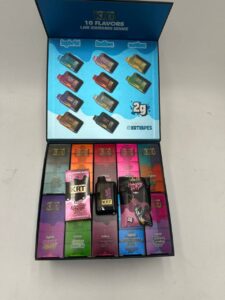
Consistency is an important part of professional online retail. The product title, description, images, packaging information, and technical specifications should all refer to the same item.
For example, a description that identifies a screen-equipped model should not rely on photographs of a screen-free version. Similarly, a capacity statement should match the information supplied by the manufacturer.
In addition, consistent naming helps readers recognize the product across different sections of a storefront. The full product name can appear in the title, while the remaining copy can use natural variations without introducing unsupported model names.
Technical Documentation and Specification Accuracy
Technical documentation provides a stronger foundation for detailed product information than visual assumptions. Depending on the product, relevant documentation may include an instruction leaflet, manufacturer specification sheet, packaging label, or applicable conformity records.
These materials can clarify details such as physical dimensions, electrical characteristics, material composition, and display functions. However, each specification should be included only when the available documentation supports it.
Where information remains unavailable, a transparent note is preferable to an invented figure. This is especially important for battery ratings, ingredient information, capacity measurements, and claims involving laboratory testing.
Distinguishing Confirmed Features From Assumptions
A product description becomes more dependable when it clearly separates established information from details that have not been verified.
The name KRT 2G Disposable With Screen supports identifying the product by its stated name and screen-equipped design. It does not, by itself, establish battery capacity, operating time, internal materials, display readings, or the exact meaning of the 2G designation.
Likewise, a photograph may show the exterior without revealing internal construction. As a result, claims about hidden components require supporting documentation.
This distinction makes the description more transparent and helps prevent confusion between advertised features and confirmed specifications.
Environmental Considerations for Electronic Devices
Disposable electronic devices may contain components that require specialized waste handling. Batteries, circuit boards, and other electronic materials can create environmental concerns when discarded improperly.
The appropriate disposal method depends on the product’s construction and the rules in the relevant location. Consequently, disposal information should reflect the manufacturer’s instructions and applicable local waste regulations.
Where an authorized electronic-waste collection service is available, its guidance can help determine the appropriate handling process. Product listings should avoid making unsupported claims about recyclability or environmental impact.
A Professional Standard for the KRT Product Listing
A professional listing benefits from straightforward language, clear organization, and reliable details. The opening section identifies the product, while subsequent sections explain its visible design, documentation, and relevant handling considerations.
The specification area should contain only verified information. Meanwhile, photographs should accurately represent the product and should not suggest features that have not been confirmed.
Together, these elements provide a more useful shopping experience without relying on exaggerated descriptions or repeated promotional phrases.
Notes on the KRT 2G Disposable With Screen
The KRT 2G Disposable With Screen can be described accurately through its stated product name and screen-equipped design. Additional details should be drawn from reliable documentation for the exact model.
Clear identification, consistent photographs, transparent specifications, and responsible product information provide a solid foundation for an informative online listing. Ultimately, accuracy is more valuable than filling gaps with assumptions, especially when technical or safety-related claims are involved.
Understanding the KRT Product Name and Its Key Identifiers
A product name serves as the first point of reference for identifying an item in an online catalog. In this case, KRT 2G Disposable With Screen combines a brand or product identifier, a numerical designation, and a description of its visible display feature.
Each part of the name helps distinguish the listing from other products. However, the meaning of individual terms should remain consistent with the manufacturer’s own labeling. In particular, the numerical designation should not be assigned a technical meaning without supporting information.
Accurate naming also helps prevent confusion when several products have similar exterior designs. A clear title, consistent model references, and matching photographs provide a more reliable identification process.
Building a More Informative Product Page
A useful product page answers basic questions without overwhelming the reader. The product name establishes the subject, while the introduction explains the confirmed identifying features. Additional sections can then present available specifications, packaging information, and relevant safety details.
Moreover, a well-organized layout makes information easier to locate. Short paragraphs, descriptive headings, and concise specification lists improve readability across desktop computers and mobile devices.
The wording should remain natural throughout the page. Repeating the full product name in every paragraph can make the description feel artificial. Instead, references to the device, its display, and the model can create a more varied reading experience without changing the product’s identity.
The Importance of Accurate Visual Representation
Images often influence how readers understand an unfamiliar electronic product. A clear front-facing photograph can establish its general appearance, while additional angles may reveal exterior markings and the placement of the screen.
Nevertheless, photographs should accurately represent the listed item. Images of a similar model may create incorrect expectations about the display, dimensions, or physical construction.
Image captions can also provide useful context. For example, a caption may identify a front view or show the original packaging, provided the image genuinely depicts those details. Claims about internal components or performance should not be based on exterior photographs alone.
Product Variations and Model Consistency
Products within the same family sometimes differ in appearance, specifications, or packaging. Those differences can be important when consumers compare listings with similar names.
For the KRT 2G Disposable With Screen, the availability of alternative versions has not been confirmed. Therefore, a product page should not advertise multiple colors, flavors, display configurations, or capacity options unless the exact variants are documented.
If verified variants become available, each one should have a clear identifier and corresponding photographs. This approach reduces the chance of confusing one version with another and keeps the catalog organized.
Responsible Communication About Product Quality
Quality-related statements should explain documented characteristics rather than promise results that cannot be established. A professional description can discuss visible design features while leaving unverified performance claims out of the text.
For example, the presence of a screen establishes a visible design element, but it does not prove that the display is accurate, durable, or capable of presenting particular information. Those claims require separate evidence.
Similarly, statements about manufacturing standards or quality testing should identify the relevant documentation when appropriate. Transparent wording gives readers a more realistic understanding of what is known about the product.
Organizing Product Information for Easy Reading
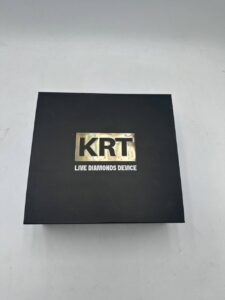
The order of information can influence how easily readers understand a listing. A practical structure begins with the product’s identity, continues with its confirmed design features, and concludes with specifications and relevant safety information.
Long paragraphs can be divided into smaller sections, especially when a topic includes several technical details. Bullet points are useful for specifications, while ordinary paragraphs work well for explaining design and identification.
In addition, headings should reflect the content of each section rather than repeat the same generic phrases. Distinct headings make a long product page easier to scan and help each section serve a clear purpose.
A More Reliable Approach to Product Descriptions
The strongest product descriptions balance informative language with verifiable details. They explain what identifies the item, provide the available specifications, and make the limits of the available information clear.
For the KRT 2G Disposable With Screen, the product name and the presence of a screen provide a starting point. Further information should come from the exact model’s packaging, manufacturer records, or other reliable documentation.
Ultimately, clear language, consistent naming, accurate images, and supported claims help create a product page that is easier to understand. This approach also makes future updates simpler because confirmed specifications can be added without rewriting unrelated sections.
Reviews
There are no reviews yet.