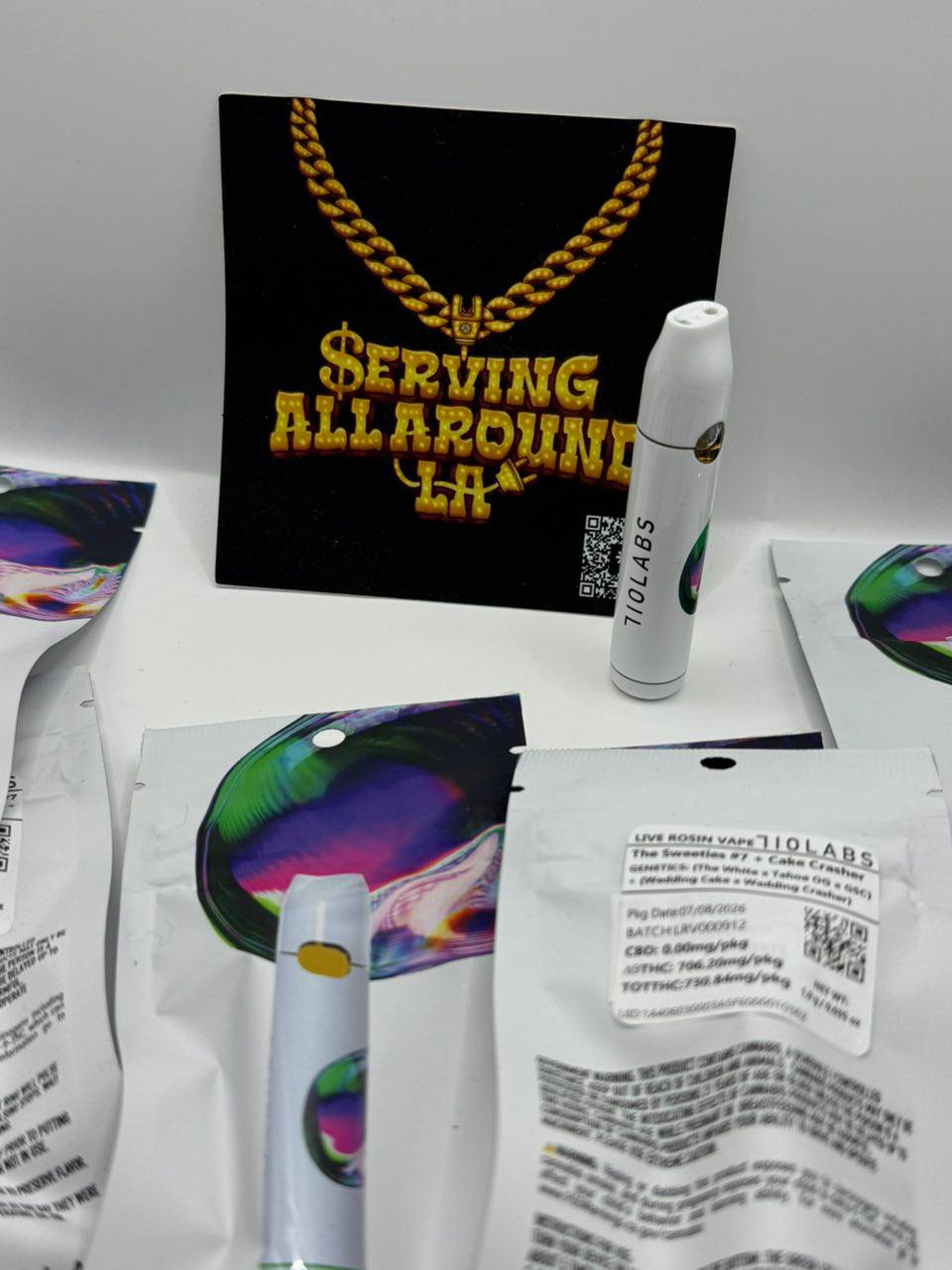
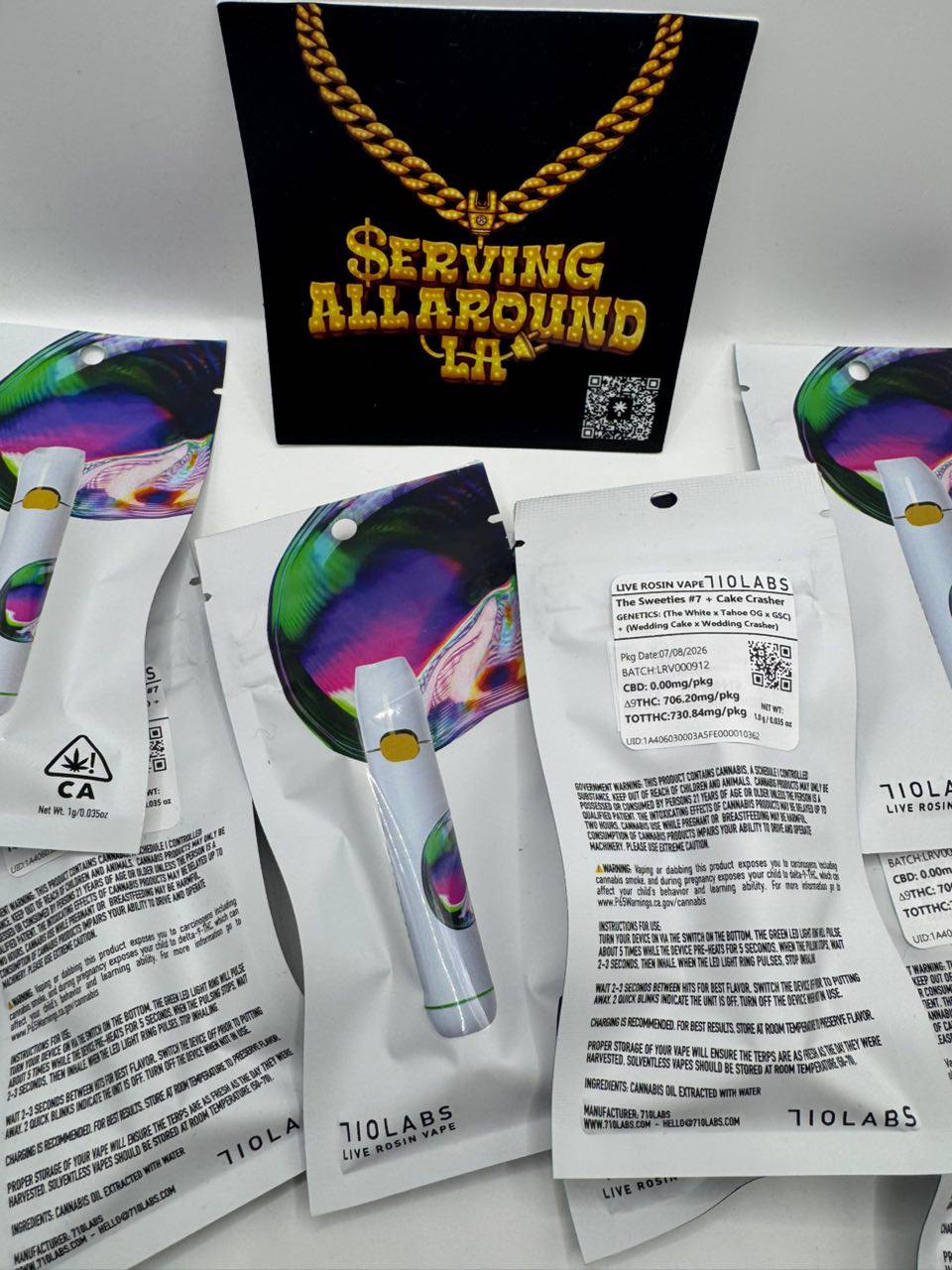
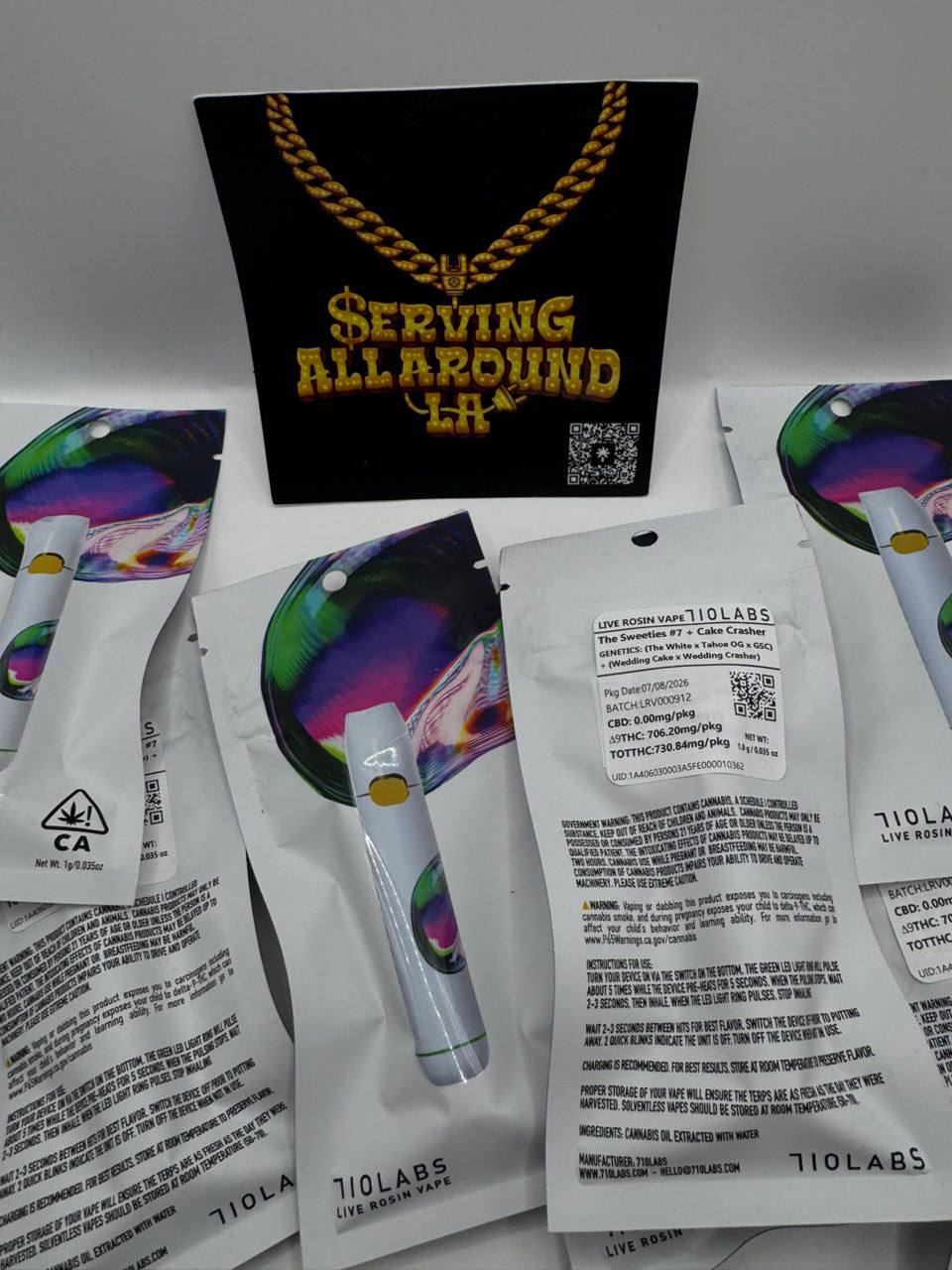
710 1G Labs Disposable
Product Overview
The 710 1G Labs Disposable is a compact, single-use vaporizer product designed around a 1-gram oil capacity. Its disposable format combines the cartridge and battery into one self-contained device, creating a simple product structure without the separate components found in traditional cartridge systems.
The overall design focuses on portability and convenience. Because the battery and oil chamber are integrated into the same unit, the device does not require a separate battery during its intended product lifecycle. This format has become common across the modern disposable vaporizer category, particularly among consumers looking for a small device with fewer individual components.
The 1-gram capacity provides a defined amount of oil within the device. Actual contents, formulation, potency, flavor profile, hardware specifications, and expected performance can vary depending on the specific product version and market. For that reason, the packaging and manufacturer information remain the most reliable sources for product-specific details.
The appearance of the 710 1G Labs Disposable is generally centered on a compact handheld form. Its small footprint allows the device to fit easily into a pocket, bag, or other suitable storage space. Meanwhile, the integrated construction keeps the overall design relatively straightforward.
Compact Disposable Design
A major feature of this product category is the all-in-one construction. The oil chamber, heating component, airflow system, and battery are incorporated into a single disposable unit. As a result, there is no separate cartridge that needs to be attached to an external battery.
This construction also gives the product a consistent physical profile. Instead of carrying multiple components, the user encounters one device with its primary parts contained within the same housing.
The compact structure is particularly relevant to the overall identity of a disposable product. The device is intended to remain relatively lightweight while still accommodating a 1-gram oil capacity. Hardware dimensions may differ between production batches or editions, so exact measurements should be confirmed against the packaging.
The exterior may also feature printed branding and product identification. These visual elements can help distinguish the product from other disposable devices, although packaging designs can change over time.
1-Gram Oil Capacity
The 1-gram designation refers to the stated quantity of oil contained in the product. It provides a useful way of distinguishing the device from smaller and larger disposable formats.
A 1-gram capacity sits within a commonly recognized range for compact disposable vaporizer products. However, the amount of vapor produced from a device cannot be determined from capacity alone. Factors such as oil formulation, heating technology, airflow, battery output, and individual use patterns can affect overall consumption.
Similarly, the stated capacity should not be interpreted as a guarantee of a particular number of draws. Puff counts can vary substantially because draw length, frequency, device performance, and formulation all influence how quickly the contents are consumed.
For accurate information, the labeled net contents and manufacturer specifications should take priority over generalized estimates.
Integrated Battery System
The disposable design includes an integrated battery rather than a removable power source. This arrangement keeps the product self-contained and reduces the number of separate pieces associated with the device.
Battery performance can depend on several factors, including battery capacity, heating resistance, oil viscosity, operating conditions, and production specifications. Therefore, general battery expectations should not be treated as exact specifications for every version.
The battery is part of the disposable hardware and should be handled appropriately throughout the product’s lifecycle. Once the device reaches the end of its usable life, disposal should follow applicable local requirements for electronic and battery-containing products.
Because lithium-based batteries may be incorporated into disposable vaporizer hardware, careless disposal can create environmental and fire-related concerns. Appropriate waste handling is therefore an important part of responsible product management.
Heating Hardware
Inside the device, a heating element is responsible for converting the oil into an inhalable aerosol. The heating system forms an important part of the overall hardware because its characteristics can influence airflow, vapor production, and consistency.
The precise heating technology used in a particular 710 1G Labs Disposable should be confirmed through the manufacturer’s specifications. Different production versions can use different coil structures or heating materials, and assumptions about internal hardware may not accurately describe every unit.
The interaction between the heating element and the oil formulation also matters. Oil viscosity, composition, and temperature response can influence how the device behaves during operation.
Consequently, performance should be evaluated according to the specifications of the exact product version rather than generalized claims about disposable vaporizers.
Airflow and Vapor Production
Airflow is another important part of disposable vaporizer design. Air enters through designated openings and interacts with the heated oil aerosol before reaching the mouthpiece.
The size and configuration of the airflow pathway can influence the overall draw characteristics. A tighter airflow configuration may feel different from a more open configuration, while variations in oil viscosity can further affect the experience.
Vapor production is similarly influenced by hardware and formulation. A larger vapor cloud does not necessarily indicate greater product quality, and a smaller cloud does not necessarily indicate a defective device. Performance characteristics can vary naturally between formulations and hardware configurations.
For that reason, descriptions of vapor output are best kept factual rather than presented as guaranteed performance claims.
Mouthpiece Construction
The mouthpiece forms the contact point between the device and the user. Its shape and opening are designed around the airflow system contained within the disposable.
A compact mouthpiece can complement the portable form of the device while keeping the overall housing relatively small. Construction details may vary depending on the production version, so exact materials should be confirmed through official product documentation.
The mouthpiece is also an area where cleanliness matters. Dust, debris, moisture, or residue can affect airflow and general product condition. Proper storage can help protect the exterior and openings from unnecessary contamination.
Oil Chamber
The oil chamber houses the product’s contents and connects with the heating system. Its construction is an important part of the disposable’s internal architecture.
A properly sealed chamber helps keep the formulation contained within the device. However, exposure to extreme temperatures, physical damage, or improper storage can affect the condition of vaporizer hardware.
Oil appearance can also differ according to formulation. Color alone does not provide a reliable measurement of potency, purity, freshness, or quality. Laboratory information and manufacturer documentation provide more meaningful information when available.
Product Identification
Product identification is particularly important in the disposable vaporizer category. Packaging normally provides information such as product name, stated capacity, batch information, ingredients or formulation details where required, and applicable warnings.
The exact labeling requirements depend on the jurisdiction in which the product is sold. Consequently, packaging may differ between markets.
A legitimate product should have labeling appropriate to its intended market. Where available, batch or lot information can provide a useful reference for product verification and quality-control purposes.
Consumers should also be aware that counterfeit products can imitate the appearance of established brands. Visual similarity alone does not establish authenticity. Manufacturer-provided verification systems, where available, provide stronger evidence.
Flavor and Formulation Information
The specific formulation associated with a 710 1G Labs Disposable depends on the individual product version. Different variants may contain different oil formulations, flavor profiles, or cannabinoid compositions.
Because formulations can change, broad claims about every product carrying the same name would be unreliable. Product-specific labeling should therefore be used when identifying the exact contents.
Flavor descriptions are also subjective. A profile described as fruity, sweet, herbal, citrus-forward, or earthy may be perceived differently by different people. Environmental conditions and individual sensory differences can contribute to those variations.
Where laboratory testing is available, the certificate of analysis provides more useful information than a general marketing description. Testing documentation may identify cannabinoids, potency, contaminants, and other measurable characteristics depending on the laboratory and jurisdiction.
Packaging and Presentation
Packaging provides more than visual presentation. It can also contain important information about the product’s contents, manufacturer, batch identification, warnings, and regulatory status.
The external package may use branding associated with the 710 1G Labs name while also displaying the particular product variant. Typography, graphics, and package dimensions can change between editions.
For that reason, an older product photograph should not automatically be treated as an exact representation of every current package.
Packaging integrity can also be relevant when assessing the condition of a product. Broken seals, damaged containers, missing labels, or inconsistent information may warrant additional verification before the product is considered authentic.
Portability and Everyday Storage
The compact form is one of the defining characteristics of a disposable device. Its integrated construction eliminates the need for a separate cartridge and battery combination.
Even so, portability does not mean the device can be stored under every condition. Temperature, moisture, sunlight, pressure, and physical impact can affect electronic vaporizer hardware.
A stable environment away from excessive heat and direct sunlight is generally more appropriate for battery-containing electronic products. The manufacturer’s storage information should take priority whenever specific instructions are provided.
The device should also be kept away from children and pets. Disposable vaporizer products can contain concentrated substances and electronic components that are not appropriate for accidental handling or ingestion.
Build and Appearance
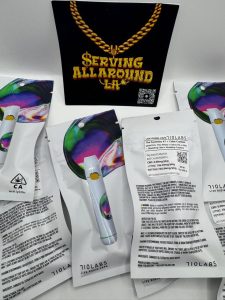
The visual design of a disposable can influence how easily the product is recognized. Branding is typically displayed on the exterior, while the internal components remain concealed within the housing.
The finish may vary according to product edition. Some versions can feature a minimal appearance, while others may use more elaborate graphics or printed artwork.
Despite those differences, the basic purpose remains the same: provide a self-contained vaporizer format with a defined oil capacity.
Physical appearance should not be used as the sole method for judging authenticity or contents. Packaging information, batch details, and verified manufacturer documentation offer more dependable identification.
Performance Factors
Several factors can affect the performance of a disposable vaporizer. Hardware design is one consideration, but formulation characteristics are equally important.
Oil viscosity can influence how efficiently material reaches the heating element. Battery output can influence the temperature produced by the heater. Airflow design can influence the resistance experienced during a draw.
Environmental temperature can also affect oil behavior. In cooler conditions, some oils may become more viscous, while elevated temperatures can affect both oil and battery components.
These factors explain why two devices with the same stated capacity may not deliver identical performance.
Product Consistency
Consistency depends on manufacturing quality, formulation control, hardware tolerances, and storage conditions. A reliable manufacturing process aims to maintain consistent specifications across production batches.
Nevertheless, small differences can occur between individual units. Oil appearance, airflow, draw characteristics, and battery behavior may show some variation.
Laboratory testing can provide objective information about chemical composition, while hardware specifications can clarify the physical characteristics of a particular model.
A complete product assessment therefore benefits from both formulation data and hardware information.
Authenticity and Verification
The popularity of disposable vaporizer products has also created opportunities for counterfeit goods. Counterfeit devices may copy names, packaging, graphics, or general product shapes.
Authenticity should therefore be considered separately from appearance. Product verification features, official packaging information, batch numbers, and manufacturer resources can provide stronger evidence.
If a product’s labeling contains unusual spelling, inconsistent branding, missing information, or conflicting specifications, those details may warrant additional attention.
The exact verification method depends on the manufacturer and product version. Official documentation remains the best reference for determining whether a verification feature is legitimate.
Safety and Responsible Handling
Disposable vaporizer products contain both electronic components and concentrated formulations. Responsible handling is therefore important throughout the product’s lifecycle.
The device should be protected from significant physical damage. Damaged batteries can present safety concerns, particularly when exposed to heat, pressure, moisture, or metal objects.
Products containing cannabis-derived or other regulated substances may also be subject to age restrictions, possession rules, labeling requirements, and other legal controls. Those requirements vary significantly by jurisdiction.
The legal status of a product should therefore be confirmed locally rather than assumed from its availability elsewhere.
Unused products should remain securely stored and inaccessible to children and pets. At the end of their useful life, battery-containing hardware should be disposed of according to applicable local waste-management guidance.
Environmental Considerations
Disposable electronics create waste because the battery, housing, heating components, and other hardware are discarded together when the product reaches the end of its usable life.
Battery-containing products should not automatically be placed in ordinary household waste. Local recycling or electronic-waste programs may provide more appropriate disposal routes.
Environmental handling is particularly relevant to disposable products because their convenience is accompanied by additional electronic waste compared with reusable hardware.
Responsible disposal can help reduce the unnecessary release of electronic components and batteries into general waste streams.
What Makes the Format Different
The defining difference between this product format and a traditional cartridge system is the integration of components.
A traditional cartridge generally requires a compatible battery, while an integrated disposable contains the primary hardware in one unit. This can simplify the physical design and reduce the number of individual parts involved.
On the other hand, the integrated format means the entire device reaches the end of its product life when its usable contents or battery are exhausted. Individual components generally cannot be treated separately by the consumer.
The 1-gram capacity provides another clear point of distinction, placing the product within a recognizable size category for disposable vaporizer hardware.
Quality Information and Transparency
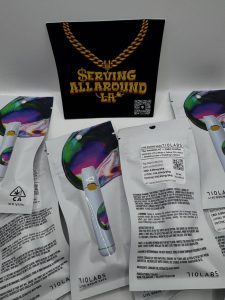
Clear product information is valuable when evaluating any regulated or specialized product. Useful details can include net contents, formulation information, manufacturer identification, batch information, testing documentation, and applicable warnings.
Marketing language alone cannot establish chemical quality or potency. Objective laboratory results are more appropriate for those questions.
Similarly, hardware claims should be supported by manufacturer specifications rather than assumptions based on appearance.
A transparent product description therefore focuses on verifiable characteristics while recognizing that specific details may vary between editions.
The 710 1G Labs Disposable represents a compact, integrated vaporizer format built around a stated 1-gram capacity. Its primary hardware components are contained within a single disposable unit, including the battery, oil chamber, heating system, airflow pathway, and mouthpiece.
Its compact structure distinguishes it from multi-component cartridge systems. Meanwhile, the stated capacity provides a straightforward reference for the amount of oil associated with the product.
Exact formulation, potency, hardware technology, flavor profile, dimensions, battery specifications, and testing information should be confirmed through the packaging and manufacturer documentation for the specific version.
From a product-design perspective, the disposable format emphasizes portability and integrated construction. From a product-information perspective, authenticity, labeling, formulation transparency, battery handling, storage, and responsible disposal remain important considerations.
Ultimately, the most reliable description of an individual unit comes from its verified packaging, laboratory documentation where available, and manufacturer specifications. These sources provide a stronger basis for understanding the product than generalized claims or assumptions about products carrying a similar name.



Reviews
There are no reviews yet.