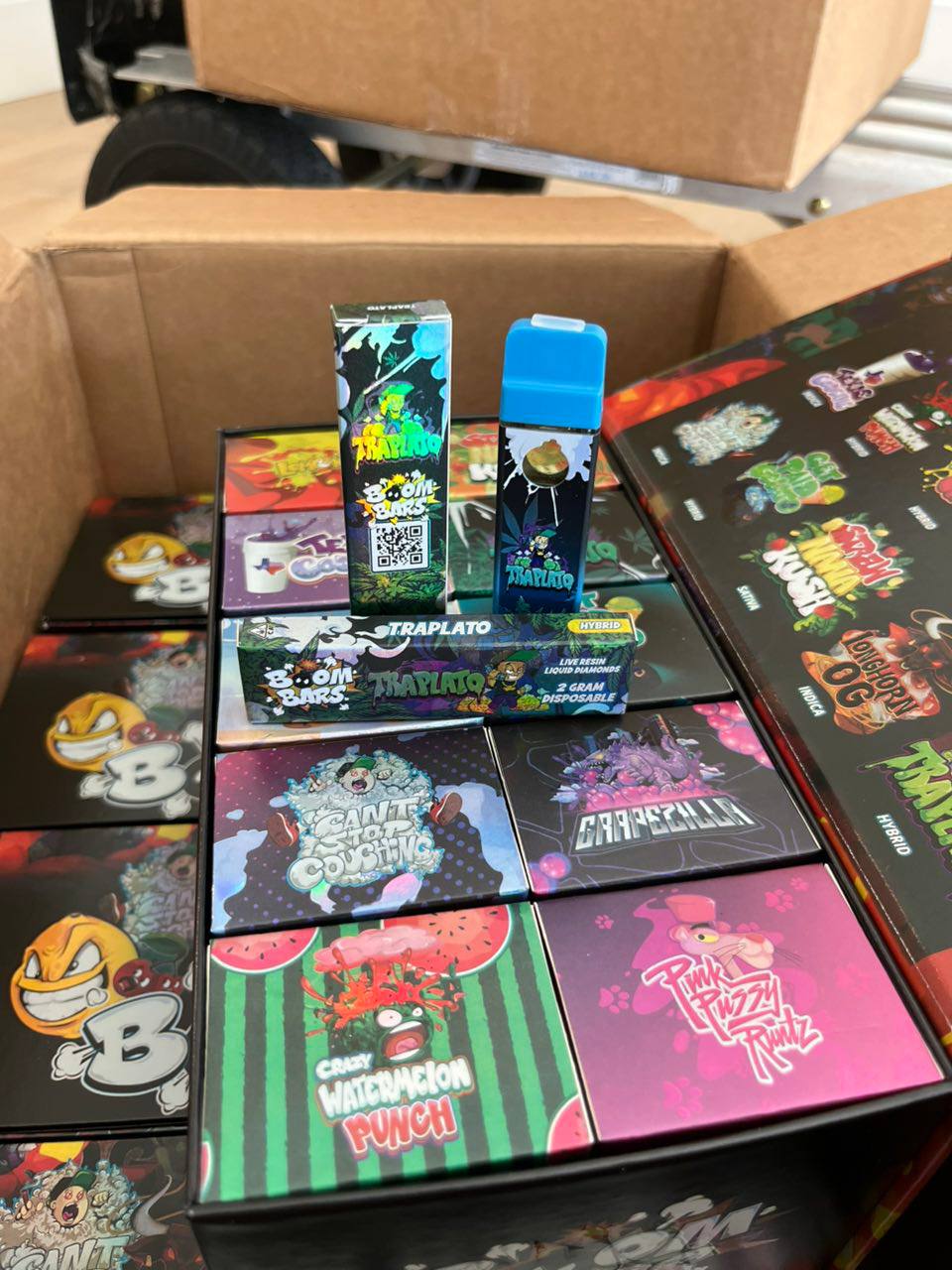
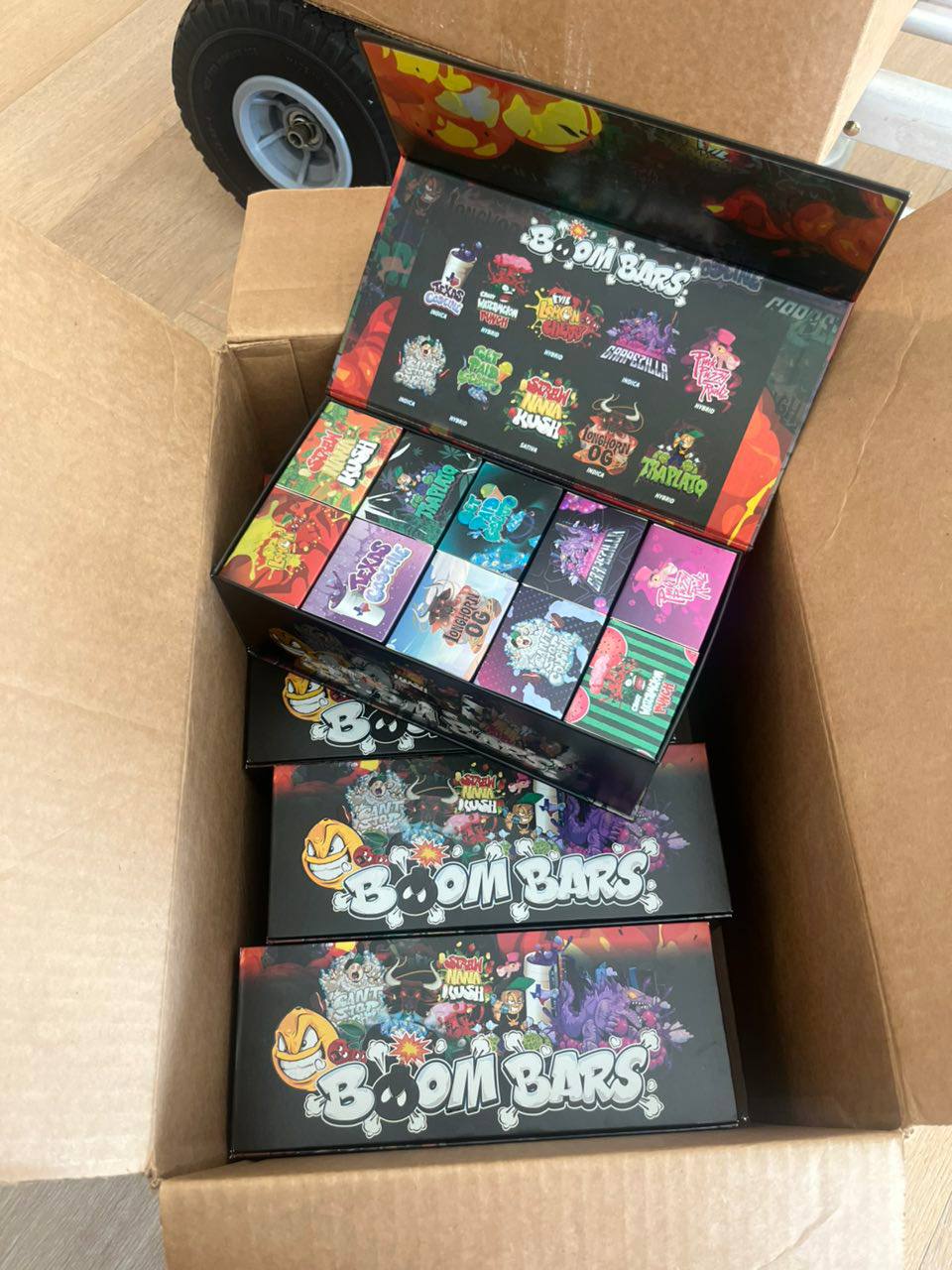
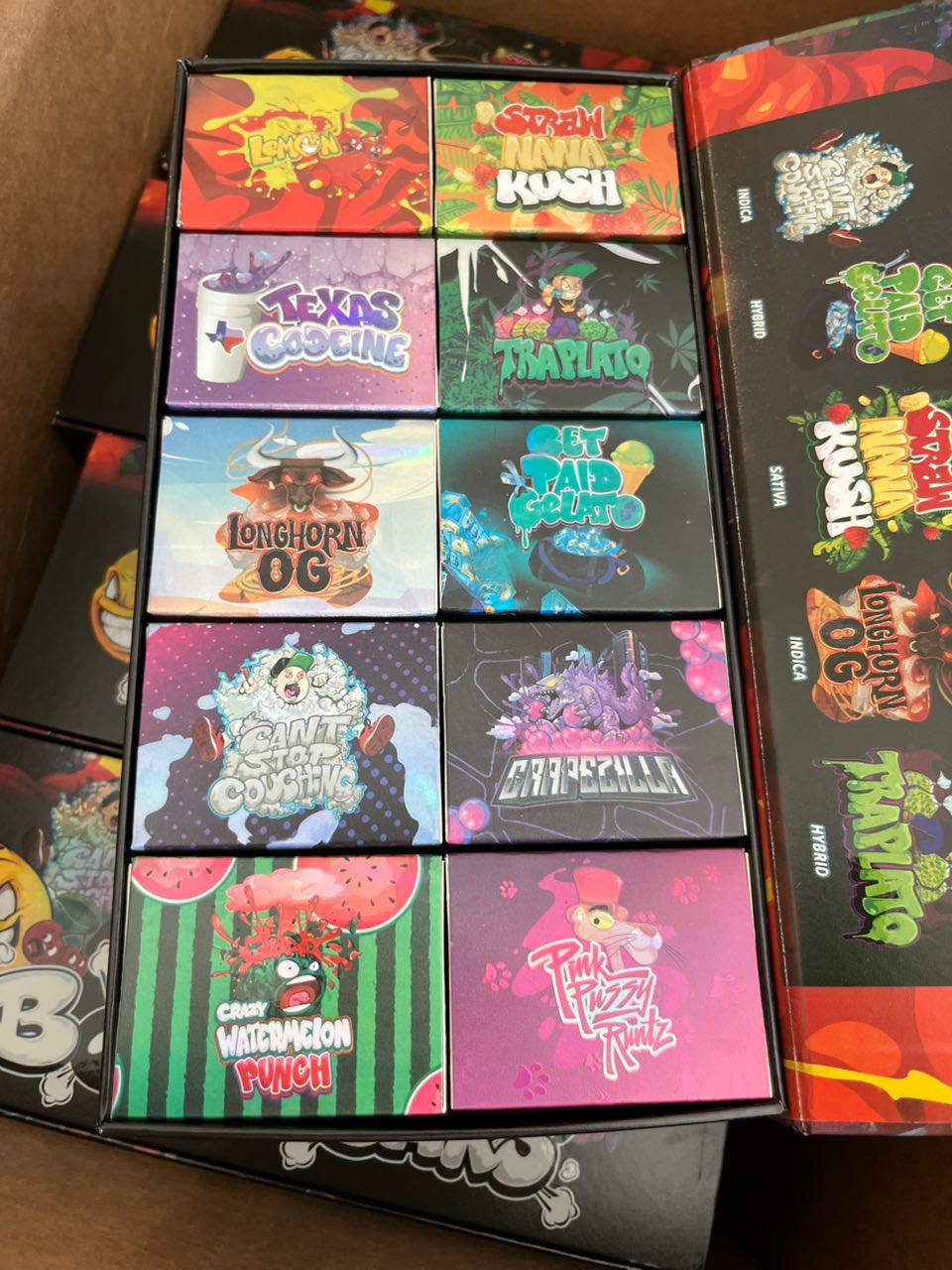
Boom Bar 2G Disposable: Product Overview
The Boom Bar 2G Disposable is a compact, pre-filled disposable device designed around convenience and portability. Its disposable format combines the main components required for use within a single unit, creating a simple product design without the separate hardware associated with reusable devices.
The 2G designation generally refers to the amount of material contained in the device. However, the exact contents, formulation, cannabinoid or nicotine concentration, flavor profile, and other specifications can vary depending on the particular Boom Bar product and market. Because of that, the information printed on the packaging remains the most reliable source for product-specific details.
Compact Disposable Design
Portability is one of the defining characteristics of a disposable device. The Boom Bar format is designed as a self-contained product, so separate cartridges and external hardware are not part of the standard setup.
Its compact construction can make storage and transportation relatively straightforward. At the same time, the actual dimensions, materials, mouthpiece design, battery capacity, and internal components may differ between versions.
The overall concept is centered on a single integrated unit. Therefore, the product can be distinguished from traditional reusable devices that require a separate battery and replaceable cartridge.
Understanding the 2G Format
The 2G specification is an important part of the product name because it identifies the stated quantity of material contained in the device. Nevertheless, the number alone does not describe the complete formulation.
For example, a 2G device may contain a particular extract, oil, or other formulation depending on the product category. The concentration of active ingredients can also vary. Consequently, the package label should be checked for the exact contents rather than relying on the product name alone.
The 2G format may also influence the physical design of the device. More material generally requires an appropriately sized reservoir, while the battery and heating components must be designed to work with the intended formulation.
Integrated Construction
Disposable devices are typically built around several integrated components. These can include a reservoir or chamber, heating element, battery, airflow pathway, mouthpiece, and exterior housing.
Because these parts are contained within one device, the user does not normally need to assemble separate hardware. However, the exact internal construction of the Boom Bar can only be confirmed through manufacturer documentation or packaging information.
The exterior can also contribute to the product’s overall appearance. Depending on the specific version, branding, labeling, graphics, and physical finish may differ.
Flavor and Formulation Information
Flavor is often an important part of a disposable product, but accurate descriptions should be based on the particular Boom Bar variant rather than assumptions about the brand.
Different versions may have different flavor names and formulations. Some may emphasize fruit-inspired profiles, while others may use dessert, candy, botanical, or other flavor concepts. Yet, without verified information for a specific version, assigning a particular flavor would be speculative.
Likewise, the underlying formulation should not be assumed solely from the product name. The label can identify whether the device contains nicotine, cannabinoids, or another substance, along with the stated concentration and ingredients where required.
Label Information
Packaging provides important information about a regulated disposable product. In particular, the label may identify the manufacturer or responsible company, ingredients, active-ingredient concentration, batch information, warnings, and other regulatory details.
Therefore, the package should be treated as the primary reference for product-specific specifications.
A legitimate product may also carry additional information intended to support identification and compliance. Depending on the market, this can include manufacturing details, testing information, age restrictions, warning statements, or authentication features.
Portable Product Format
The disposable format is designed around portability. Its integrated construction means that the product does not depend on a separate reusable battery or cartridge system.
That design can make the physical setup relatively compact. Furthermore, the absence of multiple detachable components may reduce the number of individual pieces associated with the product.
However, portability does not eliminate the need for responsible storage. Exposure to excessive heat, moisture, physical damage, or unsuitable storage conditions can affect electronic devices and their contents.
Battery and Device Components
A disposable device generally contains an internal battery that powers its heating system. The exact battery capacity and charging arrangement depend on the specific model.
Some disposable products are designed as single-use units, while others include charging functionality. Because this feature varies between models, it should not be assumed that every Boom Bar 2G Disposable has the same charging system.
The same principle applies to activation. Some devices use an automatic draw-activated mechanism, whereas others can incorporate a different control arrangement. Verified product documentation should be consulted for the precise configuration.
Airflow and Heating System
The heating system is another important component of a disposable device. It is responsible for heating the formulation within the internal chamber.
Airflow also plays a role because air must travel through the device during operation. The internal pathway can therefore influence the overall design of the product.
Exact technical details, including coil type and heating technology, should only be included when they have been confirmed by reliable product documentation. Otherwise, generalized claims can create inaccurate expectations.
Packaging and Presentation
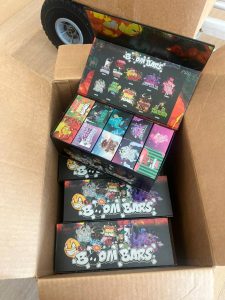
Product presentation can vary between Boom Bar versions. Packaging may include branding, product identification, flavor information, quantity, ingredient information, warnings, and regulatory details.
The visual design can also change between editions or markets. As a result, an image or description of one version should not automatically be treated as representative of every product carrying the same brand name.
Authenticity can be particularly important with branded disposable products. Packaging inconsistencies, missing information, unclear labeling, or unusual product details may warrant additional verification through the manufacturer or an authorized source.
Product Identification
Correct identification is important when several versions of a disposable device share similar names. The complete product name, edition, flavor, batch information, and packaging details can help distinguish one version from another.
For example, a product may have different variants that share the same core brand while containing different formulations. Therefore, the word “2G” alone does not establish the exact contents.
A detailed product listing should consequently separate confirmed specifications from general observations. This approach improves accuracy and prevents information from one variant being incorrectly attributed to another.
Storage Considerations
Disposable electronic products are generally better protected when they are stored in appropriate conditions. Excessive heat can affect batteries and internal materials, while moisture can create problems for electronic components.
Physical damage should also be avoided. A damaged housing, leaking chamber, malfunctioning battery, or unusual odor can indicate that a product should not be used.
Storage should also account for the contents of the device. If the product contains a regulated substance, it should remain secured and away from children and anyone who is not legally permitted to possess or use it.
Safety and Responsible Use
The appropriate safety information depends on the substance contained in the specific product. A nicotine-containing device and a cannabinoid-containing device can carry different warnings and legal requirements.
For that reason, general assumptions about the Boom Bar 2G Disposable should not replace the manufacturer’s labeling or applicable regulations.
Products containing nicotine or cannabinoids may be restricted by age and location. Furthermore, laws concerning possession, use, sale, and transportation can vary substantially between jurisdictions.
The product should therefore be considered within the legal requirements of the location where it is purchased or possessed.
Authenticity and Quality Information
Authenticity is another consideration when evaluating branded disposable products. The market can contain products with similar packaging, names, or visual designs, and therefore appearance alone may not establish legitimacy.
Packaging information can provide useful verification details. Depending on the manufacturer and market, these details may include batch numbers, QR codes, security labels, laboratory information, or other identifying features.
However, verification systems differ between manufacturers. Consequently, an authentication feature should only be described as valid when its connection to the manufacturer has been confirmed.
Why Specifications Matter
Product specifications help establish realistic expectations. Quantity, formulation, concentration, battery design, dimensions, ingredients, and flavor information each describe a different aspect of the product.
The 2G capacity, for instance, describes quantity but does not by itself indicate potency. Similarly, a flavor name does not necessarily identify the complete ingredient profile.
A reliable product description should therefore present these details separately. This creates clearer information for readers and reduces the possibility of confusing quantity with concentration or flavor with formulation.
Disposable Versus Reusable Devices
The main distinction between disposable and reusable devices is the hardware model.
A reusable system generally consists of separate components that can be maintained or replaced over time. A disposable device, by comparison, integrates its main components into one unit.
This difference can affect portability, maintenance, storage, and overall product handling. However, the environmental considerations are also different because disposable hardware generates a product waste stream after its useful life.
Electronic components and batteries should be handled according to applicable local disposal requirements rather than being treated as ordinary household waste where regulations prohibit that practice.
Product Information for Buyers
A useful product listing should provide accurate and verifiable information without overstating characteristics. For the Boom Bar 2G Disposable, important details may include the exact variant, stated quantity, formulation, flavor, active-ingredient concentration, battery configuration, charging capability, manufacturer information, and packaging details.
Not every version will have identical specifications. Therefore, information should be matched to the specific product being described.
This distinction becomes especially important when multiple editions use similar branding. Clear labeling can make the product easier to identify and can help prevent confusion between different formulations.
Overall Product Profile
The Boom Bar 2G Disposable represents a compact, integrated disposable-device format. Its defining characteristics are its self-contained construction and stated 2G capacity.
Beyond those basic characteristics, however, individual specifications depend on the exact version. Flavor, formulation, concentration, battery configuration, charging capability, materials, and other technical details should be confirmed from the relevant packaging or manufacturer information.
A clear product description consequently focuses on verified characteristics rather than assumptions. In addition, responsible product information includes appropriate safety, storage, authenticity, and legal considerations.
For consumers evaluating a particular version, the package label remains the most useful reference for exact specifications. Manufacturer information can provide additional confirmation when available.
The Boom Bar 2G Disposable is built around the convenience of an integrated disposable format. Its compact design brings the primary components together within one device, while the 2G designation identifies the stated quantity of its contents.
At the same time, the product name alone cannot establish every technical or formulation detail. Different variants can have different characteristics, and those differences should be reflected accurately in any product listing.
Reliable information is therefore more valuable than exaggerated claims. Verified packaging details, manufacturer information, applicable warnings, and local regulations provide the strongest foundation for understanding the product.
Overall, the Boom Bar 2G Disposable can be described accurately as a compact, self-contained product whose precise characteristics depend on the particular variant. Clear identification and verified specifications help readers understand what they are looking at while keeping the description straightforward and informative.
Design Details and User Experience
The physical design of a disposable device influences how it is carried, stored, and handled. With an integrated format, the main components are contained within the same housing rather than being separated into multiple pieces.
This construction can create a straightforward overall profile. At the same time, the external appearance may vary between different editions, production batches, or flavor variations. Branding, graphics, labeling, and surface finishes can therefore differ.
The mouthpiece is another visible part of the design. Its shape and placement contribute to the overall structure, while the internal airflow system determines how air moves through the device. Specific engineering details, however, should be confirmed through manufacturer information rather than assumed from photographs.
Portability and Everyday Handling
Compact disposable products are generally associated with portability. Their self-contained construction means there is no separate cartridge or external power unit in the standard configuration.
That can make the product easier to carry than a system containing several detachable components. Nevertheless, portability does not mean that the device is resistant to every environmental condition.
Heat, moisture, pressure, and physical impact can affect electronic products. Therefore, appropriate storage remains an important consideration even when the device has a compact exterior.
The condition of the packaging can also provide useful information. Damaged packaging, missing labels, broken seals, or unexplained changes in appearance may indicate that additional verification is appropriate.
Capacity and Product Longevity
The 2G designation indicates the stated quantity associated with the product. It does not necessarily indicate how long an individual device will last because longevity depends on several factors.
Usage frequency, draw duration, formulation characteristics, airflow, heating behavior, and battery performance can all influence the useful life of a disposable device.
As a result, a precise number of sessions or days should not be presented unless the manufacturer provides a verified figure. General estimates can differ considerably from one person to another.
The distinction between capacity and longevity is useful because a larger stated quantity does not automatically translate into a predictable usage period.
Formulation Transparency
The contents of a disposable product should be identified through reliable labeling. Depending on the product category, packaging may provide information about active ingredients, total concentration, flavoring components, carrier ingredients, or other relevant substances.
These details matter because products with similar external designs can contain substantially different formulations.
A product description should therefore avoid treating every device within a brand as identical. Instead, the exact version should be identified whenever possible.
This approach also improves search visibility naturally because useful product information is easier for readers to understand and search engines to categorize than repeated phrases without additional context.
Product Variant Differences
Different variants may be produced under the same overall product line. Changes can involve flavor, formulation, appearance, capacity, hardware, or packaging.
For that reason, a description written for one version should not automatically be applied to another.
Variant-specific information is especially important when product names are similar. A small difference in the edition name can represent a different formulation or manufacturing specification.
Clear identification reduces confusion and makes a product page more useful. Furthermore, it allows factual information to remain connected to the correct version.
Packaging Information
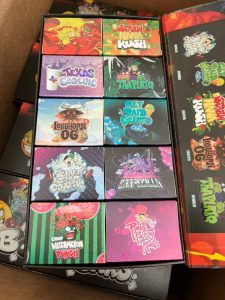
Packaging can serve as an important source of product identification. Depending on the market, it may display the product name, quantity, ingredients, warnings, manufacturing information, batch identification, and other regulatory details.
The information presented on packaging can also change as regulations or manufacturing specifications change. Consequently, older product descriptions may not always reflect the current version.
A current package label should take priority whenever there is a conflict between general online information and the physical product documentation.
Quality and Manufacturing Information
Quality can involve several different characteristics. Manufacturing consistency, component integrity, labeling accuracy, packaging condition, and formulation information can all contribute to the overall quality profile.
However, quality claims should be supported by reliable evidence. Statements about laboratory testing, purity, manufacturing standards, or certification should not be included unless they can be verified.
This distinction is particularly important for regulated products because unsupported claims can give readers a misleading impression.
Authentication Considerations
Branded disposable products may include identifying features intended to distinguish genuine products from unauthorized copies. These features can include security labels, batch numbers, QR codes, holographic elements, or manufacturer-specific verification systems.
Not every product will use the same system. Therefore, an authentication method should be described only when its existence and purpose have been confirmed.
A QR code, for example, does not automatically prove authenticity simply because it appears on packaging. The destination and verification process matter as well.
Legal Considerations
The legal status of disposable products depends heavily on their contents and the jurisdiction where they are sold or possessed.
Rules can apply to age, purchasing, advertising, packaging, transportation, possession, and disposal. These requirements may also change over time.
Because regulations differ between locations, a general product description cannot establish whether a particular product is legal in every market.
Readers should rely on current local requirements and official regulatory information when determining the legal status of a specific product.
Responsible Storage
Storage is an important part of maintaining the condition of an electronic disposable product.
Extreme temperatures can affect batteries and internal components. Likewise, moisture can create problems for electronic systems, while physical pressure can damage the exterior housing.
The product should also be kept away from children and individuals who are not legally permitted to possess or use it.
If a device shows signs of damage, leakage, overheating, unusual odor, or other abnormal behavior, it should not be treated as a normal functioning product.
Environmental Considerations
Disposable electronics create waste because the hardware is not designed around indefinite reuse.
The internal battery and electronic components should therefore be considered when the product reaches the end of its useful life. Local waste-management requirements may determine how electronic or battery-containing products should be discarded.
Recycling availability differs from one location to another. Consequently, disposal instructions should be based on local guidance rather than a single universal assumption.
Comparing Disposable and Rechargeable Formats
Disposable and rechargeable products serve different design purposes.
A disposable model generally integrates its components into one compact unit. A rechargeable system may instead separate the battery from the replaceable cartridge or pod.
Reusable systems can provide greater flexibility because individual components may be replaced. Disposable systems, meanwhile, place greater emphasis on an integrated form factor.
Neither design should automatically be considered superior in every situation. The appropriate choice depends on the product category, intended use, maintenance expectations, environmental considerations, and applicable regulations.
Information Accuracy
Accurate product information is especially important when specifications can differ between variants.
A product page should distinguish confirmed facts from general observations. For instance, a stated capacity can be presented as a specification, while an estimated lifespan should not be presented as guaranteed.
Similarly, a flavor should be identified from the official product label rather than inferred from packaging colors or unofficial listings.
This approach creates a more trustworthy description. In addition, it prevents readers from confusing assumptions with verified specifications.
Search-Friendly Product Information
Good search optimization does not require repetitive wording. A useful product page can naturally include relevant information about the device, capacity, design, variant, formulation, packaging, and technical characteristics.
Clear headings make the page easier to scan. Shorter paragraphs also improve readability, particularly on mobile screens.
Furthermore, naturally related terminology can help search engines understand the subject without making the writing sound repetitive.
The focus should remain on useful information. When readers can quickly locate the details they need, the page becomes more valuable than a description built primarily around repeated search phrases.
Frequently Asked Questions
What does 2G mean?
The 2G designation generally refers to the stated quantity of material contained in the device. It does not by itself describe potency, concentration, or expected lifespan.
Is every version identical?
Not necessarily. Different variants can have different flavors, formulations, hardware configurations, packaging, or other specifications.
How can the exact formulation be identified?
The packaging and official product documentation are the most reliable sources for identifying the formulation and stated concentration of a specific version.
Does the 2G specification indicate how long the device will last?
No. Product longevity depends on factors such as usage patterns, draw duration, formulation, airflow, and battery performance.
Does every disposable device have the same battery system?
No. Battery capacity, activation method, charging functionality, and internal hardware can vary between models.
Can online specifications always be trusted?
Online information can become outdated or may describe a different variant. Official packaging and current manufacturer information should take priority when specifications conflict.
What information should a product listing include?
A useful listing can include the exact product name, variant, stated capacity, verified formulation, active-ingredient information where applicable, flavor, battery details, manufacturer information, packaging information, and relevant warnings.
Why is variant identification important?
Similar product names can refer to different formulations or editions. Identifying the exact variant helps prevent inaccurate specifications from being attributed to the wrong product.
Final Product Perspective
The Boom Bar 2G Disposable fits within the broader category of compact, integrated disposable devices. Its stated 2G capacity provides one basic point of identification, while the exact formulation and technical specifications depend on the particular version.
A complete product description benefits from separating confirmed information from assumptions. Capacity, flavor, ingredients, concentration, battery specifications, and manufacturing details should each be supported by reliable product information.
At the same time, the physical design remains an important part of the product profile. An integrated housing can provide a compact form, while the internal heating and airflow components support the device’s intended function.
Packaging also plays a central role in identification. Labels can provide information that cannot be determined from appearance alone, including formulation details, warnings, batch information, and other regulatory data.
Ultimately, accurate information is more useful than exaggerated claims. A clear description gives readers a better understanding of the product without suggesting specifications that have not been verified.
The result is a product profile that remains readable, informative, and adaptable to different versions of the Boom Bar line while keeping unsupported claims out of the description.
Reviews
There are no reviews yet.