Hollowtips Bullet 2G Disposable: Product Overview
Product Introduction
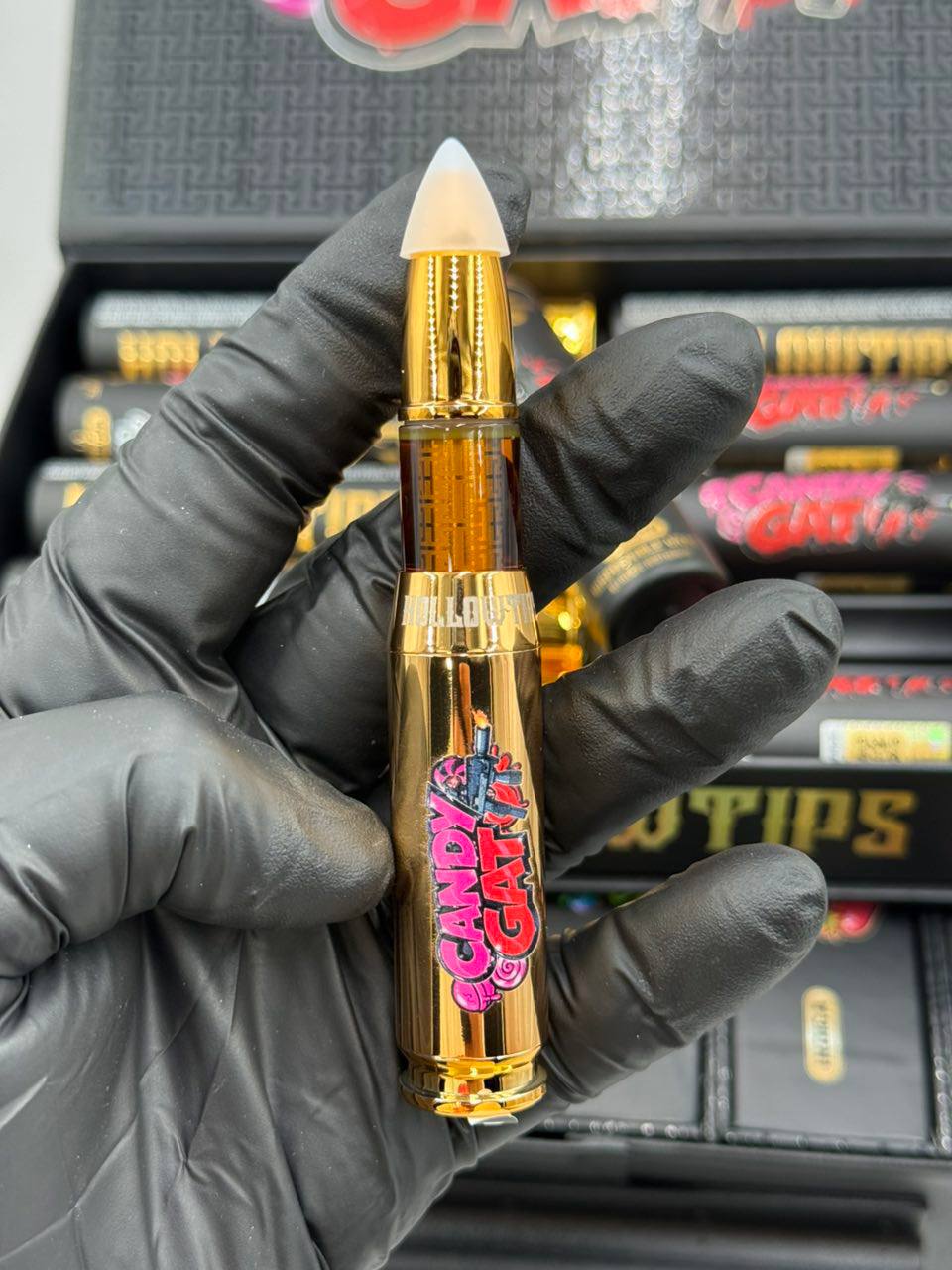
The Hollowtips Bullet 2G Disposable is a compact disposable vape product identified by its bullet–inspired design and 2-gram oil capacity. Its format combines the cartridge, heating system, and battery into a single device, creating a self-contained product rather than a separate cartridge-and-battery setup.
The device is designed around portability and straightforward construction. Because the battery and oil chamber are integrated, there is no separate battery component listed as part of the standard disposable format. In addition, the enclosed design gives the device a compact appearance that can be carried more easily than some larger vape hardware.
Product specifications can vary depending on the specific production run, market, and packaging. Therefore, information printed on the original package should be treated as the primary source for details such as cannabinoid content, ingredients, batch information, manufacturer information, and testing documentation.
Design and Construction
The Bullet 2G Disposable takes its visual identity from its bullet-style shape. This gives the device a distinctive appearance compared with conventional rectangular or cylindrical disposable hardware.
Its integrated construction generally consists of several functional elements working together. These include the oil reservoir, heating element, battery, airflow pathway, mouthpiece, and exterior housing. Each component contributes to the overall operation of the device.
The oil chamber is intended to contain the formulation supplied with the product. Meanwhile, the heating element converts the oil into an inhalable aerosol when the device is activated. Airflow is directed through the internal pathway toward the mouthpiece, where the aerosol exits the device.
The exterior housing provides protection for the internal components. At the same time, its shape contributes to the overall handling characteristics of the product.
2-Gram Capacity
The “2G” designation refers to a stated two-gram oil capacity. However, capacity should not automatically be interpreted as cannabinoid potency. The total amount of oil and the concentration of cannabinoids are separate specifications.
For example, a product containing two grams of formulation can have a different cannabinoid concentration from another product containing the same amount of oil. Consequently, the package label should be checked for the actual cannabinoid information.
The formulation may also contain additional components depending on the product. Ingredients, cannabinoid concentrations, terpenes, and other formulation details should therefore be confirmed through the manufacturer’s labeling or applicable laboratory documentation.
Hardware Format
As a disposable device, the Hollowtips Bullet 2G Disposable combines several functions into one unit. The user does not receive a conventional reusable battery as part of the basic disposable format.
This construction can simplify the physical design because the reservoir and battery are housed together. In addition, the integrated format reduces the number of separate components associated with the device.
The precise activation method depends on the particular hardware version. Some disposable devices use draw activation, while other designs may incorporate additional controls. The packaging for the specific product should therefore be consulted rather than assuming a particular activation system.
Oil and Formulation Information
The contents of a cannabinoid disposable should be evaluated according to the information supplied with the individual product. Labels may provide details about cannabinoids, terpene content, ingredients, production information, and laboratory testing.
Because formulations can differ between batches or product variants, the product name alone does not establish the exact chemical composition. A package label or verified certificate of analysis provides more reliable information.
Where laboratory testing is provided, relevant information can include cannabinoid concentrations, batch identification, and screening for certain contaminants. Testing standards also vary by jurisdiction, so applicable local requirements should be considered.
Flavor and Terpene Information
Flavor characteristics in cannabinoid vape products are commonly associated with terpene profiles and the formulation used in the oil. However, a product’s name or visual branding should not be treated as definitive evidence of its chemical profile.
If the Hollowtips Bullet 2G Disposable is supplied in multiple variants, each variant may have different formulation information. Therefore, the exact package label should be checked for the corresponding flavor, strain designation, terpene information, and cannabinoid profile.
Descriptions of taste or aroma should likewise be based on verified product information rather than assumptions based solely on the product name.
Packaging and Label Information
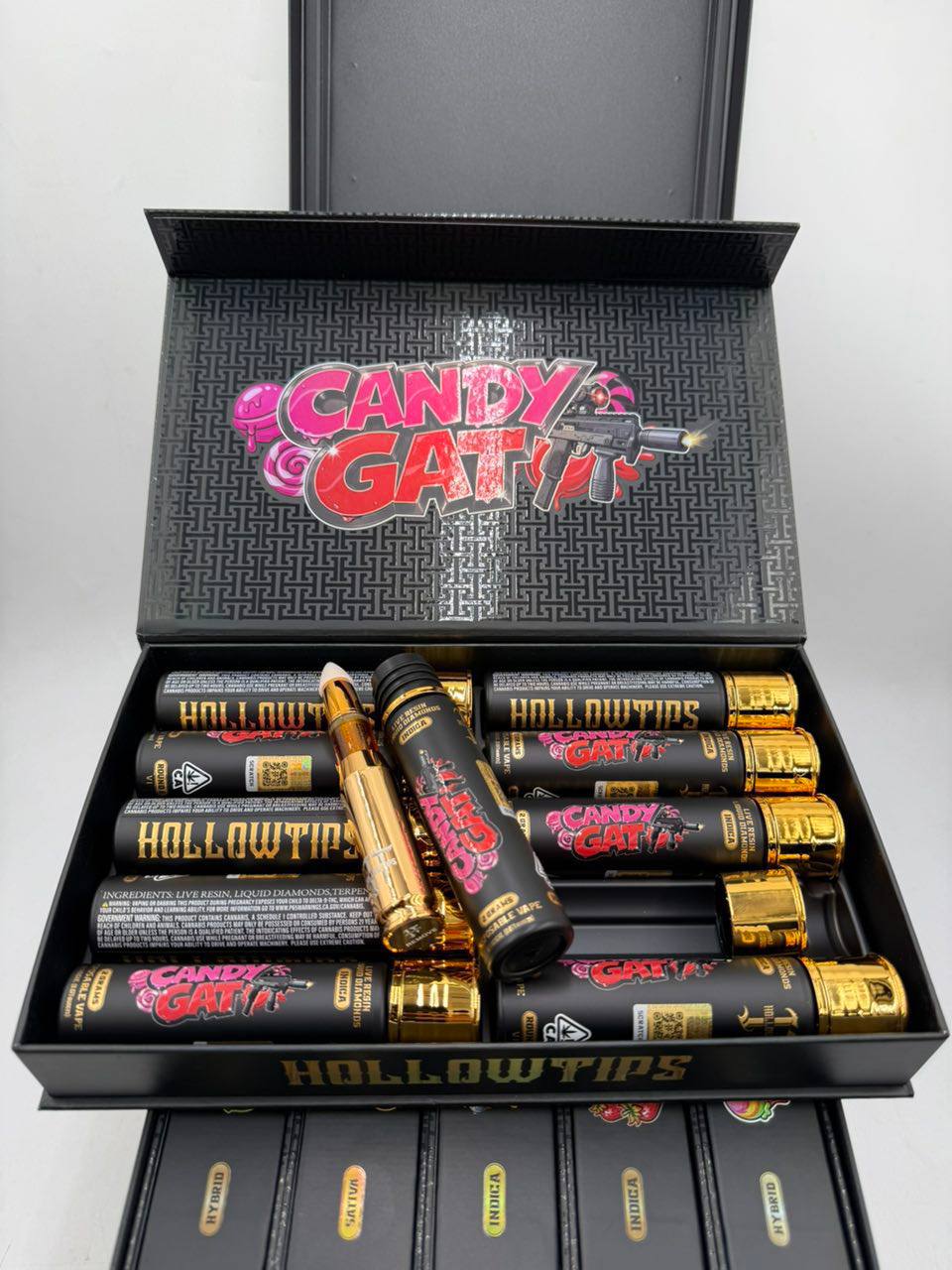
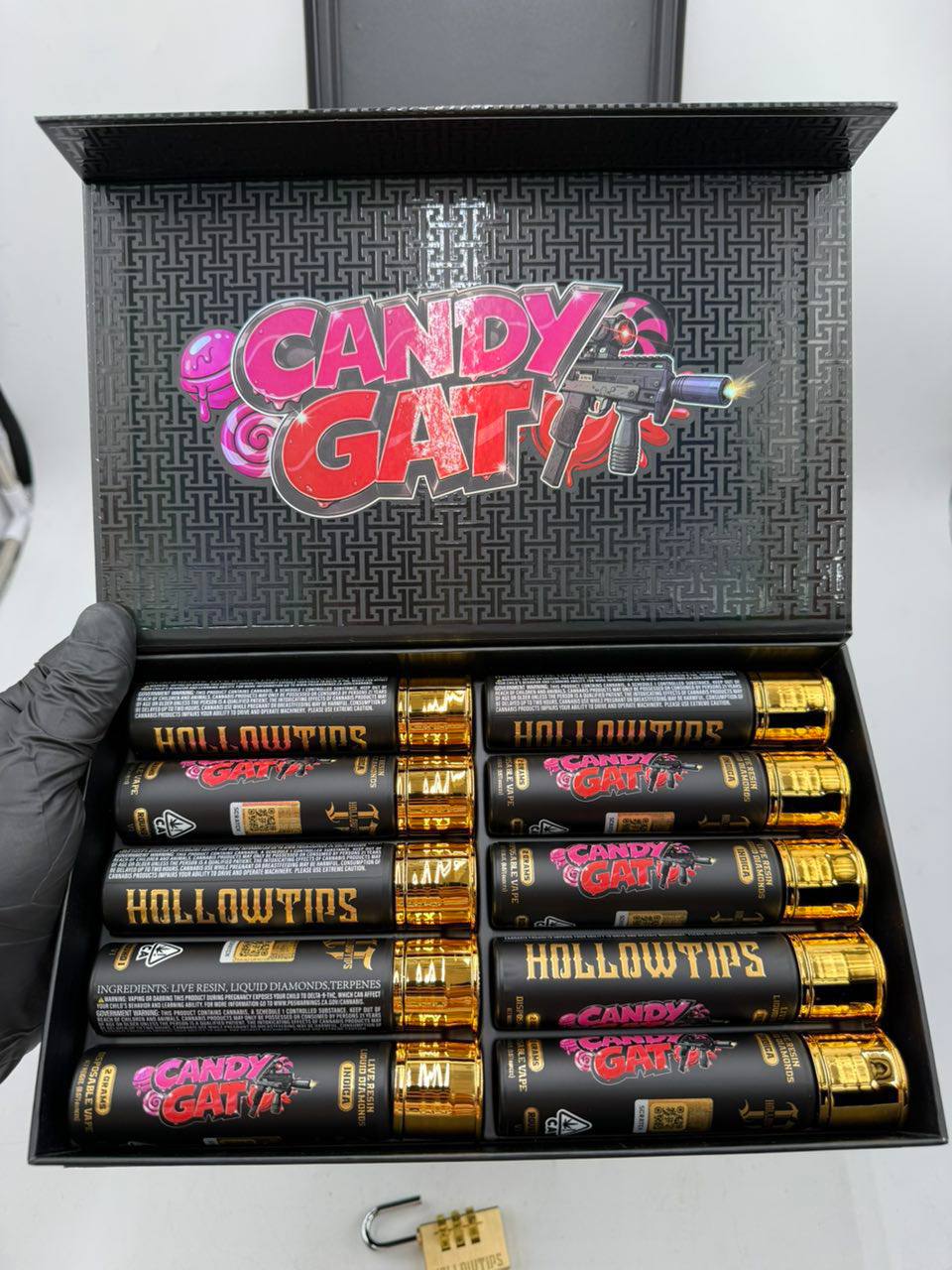
Packaging serves an important role in identifying the product and communicating its specifications. Depending on the market, the package may display information such as product name, net contents, cannabinoid concentration, ingredients, batch number, manufacturing information, testing information, and applicable warnings.
Authenticity information may also be included when available. Since packaging can change between production runs, older photographs or third-party descriptions may not accurately represent a current package.
For that reason, the physical label associated with an individual unit remains the most appropriate reference for product-specific information.
Product Identification
The Hollowtips Bullet 2G Disposable can be identified by several characteristics, including its brand name, Bullet designation, disposable format, and stated 2-gram capacity.
However, these characteristics alone are not sufficient to establish authenticity. Counterfeit or unauthorized products can sometimes imitate the appearance of legitimate products. Packaging details, manufacturer information, batch identification, and applicable verification systems provide additional points of reference.
Consumers and retailers should follow the applicable laws and verification requirements in their jurisdiction when evaluating cannabinoid products.
Storage Considerations
Storage conditions can affect the physical characteristics of vape oil and electronic hardware. Excessive heat may alter oil viscosity, while very cold conditions can make the formulation thicker.
The device should remain in its original packaging when practical and should be kept away from excessive heat, moisture, and direct sunlight. Additionally, electronic devices should be protected from conditions that could damage the battery or housing.
Storage information supplied by the manufacturer should take priority over general recommendations because individual formulations and hardware can differ.
Battery and Hardware Considerations
The disposable format contains an integrated battery. As a result, battery-related considerations remain relevant even though the battery is not intended to function as a separate component.
Physical damage, unusual heating, swelling, leakage, or other visible abnormalities can indicate that a device should not be used. Damaged electronic hardware should be handled according to applicable local disposal and safety requirements.
A disposable device should also be kept away from children and animals. The combination of electronic components and cannabinoid-containing formulation makes appropriate storage particularly important.
Responsible Product Information
Cannabinoid products can have psychoactive effects, depending on their cannabinoid composition. Effects can also vary according to individual factors, product concentration, and other circumstances.
For this reason, product information should be reviewed carefully before use. Local laws governing possession, use, age requirements, transportation, and disposal also differ considerably.
A product description should not be interpreted as medical advice or as a guarantee of particular effects. Likewise, claims about therapeutic outcomes should be supported by appropriate evidence and should comply with applicable regulations.
Quality and Verification
Product quality depends on manufacturing practices, formulation, hardware construction, storage conditions, and applicable testing procedures.
Laboratory documentation can provide useful information about a particular batch. When available, a certificate of analysis may help verify reported cannabinoid concentrations and certain testing results.
Nevertheless, testing documentation should correspond to the actual product and batch rather than simply displaying a generic document associated with a brand or product family.
Appearance and Portability
The Bullet-style exterior gives the device a distinctive visual profile. Its integrated construction also keeps the major hardware components together in one unit.
Portability is one of the defining characteristics of disposable vape hardware. However, portability does not remove the need for appropriate storage or compliance with local regulations concerning cannabinoid products.
The physical dimensions, weight, mouthpiece design, and exterior materials can vary between versions. Consequently, exact measurements should be taken from the packaging or manufacturer’s specifications when available.
The Hollowtips Bullet 2G Disposable is a compact cannabinoid vape device built around an integrated disposable format. Its defining characteristics include a bullet-inspired exterior, a stated two-gram oil capacity, and combined battery and reservoir hardware.
Because formulations and specifications can vary, the individual package remains the most reliable source for cannabinoid content, ingredients, batch information, testing details, and applicable warnings. Product names and visual characteristics alone should not be used to determine chemical composition or authenticity.
Overall, the product can be described through its hardware format, stated capacity, physical design, formulation information, and packaging specifications without making assumptions about effects or performance. Verification through appropriate labeling and testing documentation provides a more accurate basis for understanding a specific unit.
Additional Product Details
Hardware Experience
The physical design of a disposable vape contributes to how the device is handled and stored. With the Hollowtips Bullet 2G Disposable, the integrated format keeps the primary components together in one housing.
This arrangement creates a straightforward hardware structure. The reservoir contains the formulation, while the internal heating system is responsible for aerosol production. Meanwhile, the battery supplies the energy required by the heating element.
The exterior also provides a surface around these internal components. Depending on the specific version, the housing may include printed branding, product identification, and other visual details.
Since hardware specifications can change, information from the individual package should take precedence over generalized descriptions.
Airflow and Mouthpiece
Airflow represents another important part of disposable vape construction. When air moves through the device, it passes through the internal pathway before reaching the mouthpiece.
The mouthpiece provides the final point through which the aerosol leaves the device. Its dimensions and shape can influence the physical handling of the product, although the exact design depends on the particular hardware version.
Airflow characteristics should not be assumed solely from the product name. Different production batches or hardware revisions may use different internal components.
Oil Reservoir
The oil reservoir is the section of the device that contains the supplied formulation. A stated capacity of two grams indicates the amount of material the reservoir is designed to hold, but it does not independently establish potency or cannabinoid concentration.
The appearance of the oil can also vary according to formulation. Factors such as cannabinoid concentration, terpene composition, temperature, and storage conditions may influence its physical characteristics.
For that reason, visual inspection should not replace laboratory testing or package information when determining product composition.
Heating System
The internal heating element is responsible for converting the formulation into an aerosol. This process involves controlled heating within the device rather than combustion.
The specific heating technology used by the product may depend on its hardware design. Ceramic and other heating-element configurations are found across the disposable vape category, but the exact component should only be attributed to this product when supported by manufacturer documentation.
Heating performance can also be influenced by battery condition, oil viscosity, airflow, and internal hardware design.
Battery Integration
The battery is integrated into the disposable housing rather than supplied as a separate reusable component. This allows the device to remain relatively compact while keeping the power source connected to the heating system.
Battery behavior can vary as the device is used and as its stored energy decreases. Environmental temperature can also affect battery performance.
Any disposable electronic device showing signs of physical damage should be treated cautiously. Unusual heat, swelling, leakage, cracking, or other visible abnormalities warrant discontinuing use and following appropriate disposal guidance.
Product Consistency
Consistency is an important consideration for manufactured cannabinoid products. Ideally, units from the same production batch should correspond with the specifications provided on their packaging and associated testing documentation.
However, manufacturing processes can vary, and product characteristics may change between batches. Differences in oil appearance, packaging, hardware, or labeling may therefore occur.
A batch number can be particularly useful when comparing a product with laboratory documentation. Where available, the batch identifier should correspond directly with the testing information associated with the product.
Laboratory Testing
Laboratory testing can provide information that cannot be established through appearance alone. Depending on local regulations and the laboratory involved, testing may cover cannabinoid concentrations and various contaminants.
Testing results should be connected to the specific product and batch whenever possible. A generic laboratory report without a corresponding batch identifier provides less useful information about an individual unit.
The presence of laboratory documentation also does not eliminate the importance of checking packaging, ingredients, manufacturing information, and regulatory compliance.
Cannabinoid Information
Cannabinoid concentration is separate from the stated two-gram capacity. The total quantity of formulation indicates how much material the device contains, while cannabinoid concentration describes the proportion or amount of specific cannabinoids within that formulation.
Commonly reported cannabinoids may include THC, CBD, CBG, or other compounds, depending on the product. The exact profile should be confirmed through the applicable product label.
Because cannabinoid content can vary between formulations, assumptions based on the product category or brand name should be avoided.
Terpene Profile
Terpenes are naturally occurring aromatic compounds found in many plants. Within cannabinoid formulations, they can contribute to aroma and flavor characteristics.
A product may be associated with a particular flavor or strain-style name, but such terminology does not necessarily establish its exact terpene composition. Laboratory documentation or manufacturer-provided information offers a more reliable source.
The terpene profile can also vary according to formulation and production process. Therefore, product descriptions should distinguish between verified chemical information and general sensory descriptions.
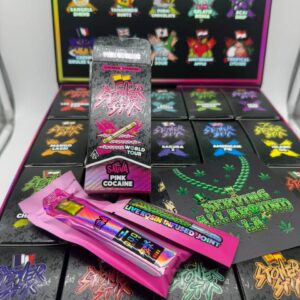
Packaging Appearance
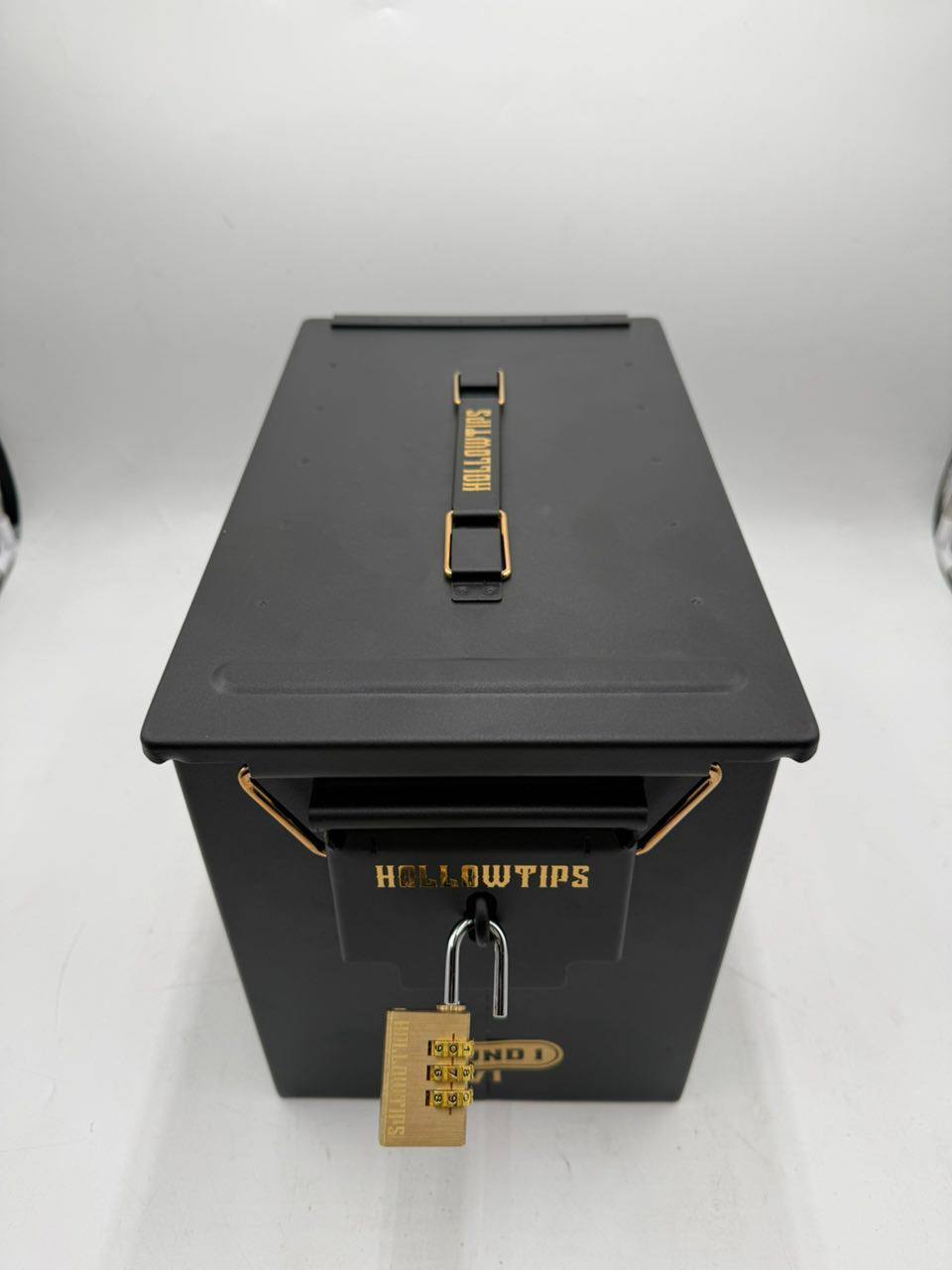
Packaging is commonly designed to protect the device while providing product information. Depending on the market, it may contain a combination of branding, regulatory information, warnings, batch identification, and product specifications.
Packaging designs can change over time. As a result, an image found online may not match the packaging of a newer production run.
Differences in artwork alone should not automatically be interpreted as evidence of a counterfeit product. Instead, authenticity should be evaluated through appropriate manufacturer information and verification procedures.
Authenticity Considerations
Cannabinoid products can be subject to unauthorized reproduction. Packaging, logos, and product names can sometimes be copied, making visual appearance an incomplete method of verification.
Where the manufacturer provides an authentication system, that system can offer an additional reference point. Batch information, labeling consistency, manufacturing details, and laboratory documentation can also help establish product identity.
If product information appears inconsistent or incomplete, the discrepancy should be investigated through appropriate official channels.
Storage Environment
The environment in which a disposable is stored can influence both its electronic components and its formulation.
High temperatures can affect the viscosity of oil and may place additional stress on electronic components. Conversely, very low temperatures can cause the formulation to become thicker.
Direct sunlight and excessive moisture can also be undesirable storage conditions. A stable, moderate environment is generally more appropriate for electronic products containing oil.
The original packaging can provide additional storage information specific to the product.
Physical Handling
The exterior of a disposable is designed to house the internal components, but it is not necessarily resistant to every form of physical stress.
Dropping the device, crushing it, exposing it to water, or subjecting it to excessive heat can potentially damage the housing or internal components.
A damaged device should not be treated as equivalent to an intact product. Visible cracks, leaks, deformation, or battery abnormalities are reasons to separate the device from normal handling and follow appropriate safety or disposal procedures.
Regulatory Information
Cannabinoid products are regulated differently across countries, states, provinces, and municipalities. Requirements may address age restrictions, labeling, cannabinoid limits, packaging, testing, advertising, possession, transportation, and disposal.
Consequently, information that applies in one jurisdiction may not apply elsewhere.
The legal status of a particular product should therefore be determined according to the laws governing the location where the product is possessed or used. Product descriptions should not be interpreted as statements about legality in a specific jurisdiction unless that jurisdiction has been clearly identified.
Responsible Storage
Cannabinoid-containing products should be kept away from children and animals. The packaging should remain intact when possible, particularly when it contains important product information or warnings.
The device should also be stored separately from items that could damage its housing or battery.
Clear product identification can be useful when multiple electronic devices or formulations are stored in the same environment. Keeping the original packaging available can make it easier to reference the product’s specifications later.
Product Information and Consumer Expectations
A product description provides general information, but it cannot replace the labeling attached to a particular unit.
This distinction is especially important for products that may be manufactured in different batches. Capacity, hardware design, cannabinoid concentration, terpene composition, and packaging can change over time.
Therefore, the most accurate description combines general product characteristics with information verified on the specific package.
Manufacturing Considerations
Manufacturing quality involves several stages, including formulation, filling, hardware assembly, packaging, and quality control.
Each stage can influence the final product. Accurate filling helps maintain the stated capacity, while appropriate assembly supports the physical integrity of the device.
Quality-control processes may also include checks of hardware operation, packaging accuracy, and laboratory testing. The exact procedures depend on the manufacturer and applicable regulatory framework.
Environmental Considerations
Disposable electronics create waste because the battery and other components are generally contained within a single-use device.
For that reason, disposal should follow local requirements for electronic waste and cannabinoid-containing products. A disposable should not automatically be placed in ordinary household recycling because batteries and electronic components can require specialized handling.
Local waste authorities can provide the most appropriate disposal information for the user’s area.
Information for Retail Listings
A factual listing for the Hollowtips Bullet 2G Disposable can focus on verifiable specifications rather than unsupported performance claims.
Useful information includes the product name, stated capacity, hardware format, formulation details, cannabinoid information, packaging specifications, batch identification, and available testing documentation.
Avoiding unsupported claims makes the description more accurate and easier to maintain when product specifications change.
Product Summary
The Hollowtips Bullet 2G Disposable combines a two-gram stated capacity with an integrated disposable vape design. Its bullet-inspired exterior distinguishes its physical appearance, while the internal structure incorporates the reservoir, heating system, battery, airflow pathway, and mouthpiece into one device.
The precise formulation and hardware specifications should be confirmed through the packaging associated with the individual unit. In addition, laboratory documentation can provide useful information about cannabinoid concentrations and applicable testing results.
Storage, handling, authenticity, and disposal are also relevant considerations because the product combines cannabinoid-containing material with electronic components.
Ultimately, the most reliable product information comes from the original packaging, manufacturer documentation, and batch-specific testing where available. This approach provides a clearer picture of what a particular unit contains without relying on assumptions based only on its name, appearance, or general product category.



Reviews
There are no reviews yet.