

OG Cake Chrome Hearts 2G Disposable: Product Overview
Introduction
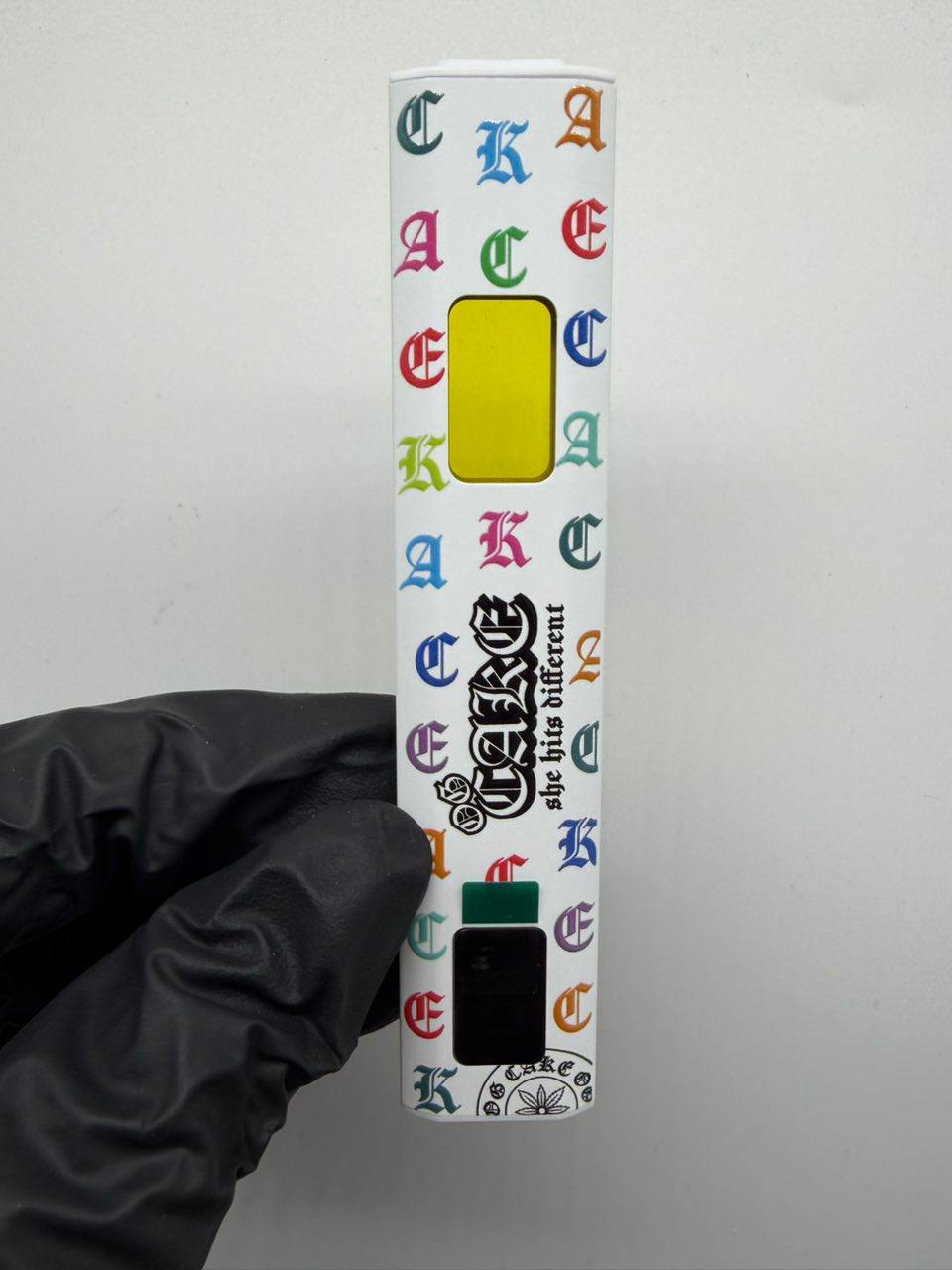
The OG Cake Chrome Hearts 2G Disposable is presented as a compact, pre-filled disposable device associated with the OG Cake product line. Its design combines a portable format with a distinctive visual identity, making the device recognizable among similar disposable products.
The 2G designation refers to the stated amount of material contained within the device. Unlike traditional cartridge systems, a disposable format integrates the reservoir, heating hardware, and battery into one self-contained unit. As a result, there is no separate battery or cartridge system involved in the basic design.
The Chrome Hearts presentation gives this version a distinct appearance compared with more conventional disposable devices. Its visual styling is intended to create a recognizable product identity while maintaining the compact proportions expected from a portable disposable.
Because product specifications can vary between batches, markets, and sellers, packaging remains the most reliable source for information about the exact contents, ingredients, cannabinoid concentration, laboratory testing, and manufacturing details of a particular unit.
Product Format
The device uses a disposable construction rather than a reusable hardware system. This means the main components are housed within one unit. The reservoir contains the formulated material, while an integrated heating element is used to produce an aerosol when the device is operated.
The 2G capacity places the device within the larger-capacity segment of disposable products. Capacity alone, however, does not establish potency, quality, or expected performance. Those characteristics depend on the formulation, hardware, manufacturing standards, and testing associated with the individual product.
A compact body also makes the format visually simple. The device generally contains the essential components without requiring an external charging system or separate cartridge. Therefore, the overall design is centered on convenience and portability rather than modular hardware.
The precise hardware configuration should be verified through the manufacturer’s packaging or documentation. Features such as battery capacity, charging method, airflow design, heating technology, and activation method should not be assumed unless they are specifically identified by the product documentation.
Chrome Hearts-Inspired Presentation
The Chrome Hearts name is associated with a distinctive luxury-inspired visual aesthetic. On a disposable device, that influence can be reflected through the graphics, typography, decorative elements, and overall presentation.
Packaging and device appearance often play an important role in differentiating disposable products. However, visual styling should not be treated as evidence of authenticity, contents, potency, or manufacturing quality.
Authenticity is particularly important when products use recognizable names, logos, or design references. Counterfeit and unauthorized products can appear similar to legitimate products while containing different materials or having different manufacturing standards.
For that reason, identifying information on the packaging is more useful than appearance alone. Batch information, manufacturer details, ingredient information, laboratory documentation, and applicable regulatory markings can provide stronger evidence about a specific unit.
Understanding the 2G Capacity
The term “2G” commonly describes a two-gram stated capacity. It does not automatically mean that every unit contains the same cannabinoid concentration or delivers the same amount of active compounds.
Two products with identical stated capacities can have significantly different formulations. One may contain a different cannabinoid profile, while another may use a different type of extract or formulation. Consequently, capacity should be considered only one part of the overall product specification.
The amount of material also should not be confused with potency. Potency depends on the concentration of relevant compounds rather than simply the total quantity contained inside the reservoir.
Clear labeling can help distinguish these characteristics. A product label may provide information about total cannabinoids, individual cannabinoids, ingredients, batch numbers, or testing. Where available, a laboratory report can provide additional information about the tested sample.
Device Construction
A disposable device typically contains several basic components. These may include a reservoir, heating element, battery, mouthpiece, airflow pathway, and exterior casing.
The reservoir stores the formulated material. The heating element is responsible for converting that material into an inhalable aerosol. Meanwhile, the battery provides electrical power to the heating system.
The mouthpiece forms the connection between the internal airflow pathway and the user. Depending on the specific hardware design, airflow may be controlled through internal openings or other components.
Exterior construction can vary considerably between manufacturers. Some devices use lightweight plastic, while others incorporate metal or composite materials. The exact construction of the OG Cake Chrome Hearts version should be confirmed through its official specifications.
Because disposable hardware is integrated, individual components generally are not intended to be separated for independent use. The integrated design distinguishes disposables from reusable batteries and replaceable cartridges.
Formulation Information
The formulation inside a disposable is one of its most important specifications. Yet the product name alone does not establish the exact contents.
Depending on the particular product and market, a formulation may contain cannabinoids, terpenes, carrier ingredients, flavoring components, or other substances. The exact ingredient list should therefore be taken directly from the packaging or an applicable laboratory report.
Claims about specific cannabinoid concentrations should not be inferred from the product name. Similarly, a strain-inspired or flavor-inspired name does not independently verify the chemical profile of the contents.
Laboratory testing can provide more detailed information. Depending on the jurisdiction and testing facility, reports may address cannabinoid concentration, contaminants, pesticides, residual solvents, heavy metals, microbial contamination, and other quality indicators.
For consumers and retailers, documented testing is more meaningful than appearance-based assumptions. A professionally produced label should correspond with appropriate product documentation where such documentation is legally required or otherwise provided.
Flavor and Aroma Descriptions
Flavor and aroma descriptions are often used to distinguish formulations within a product range. However, those characteristics can differ according to the formulation, terpene profile, storage conditions, and manufacturing process.
The OG Cake name may be associated with a particular flavor or aromatic profile, but the product name alone should not be treated as a laboratory-confirmed description of its contents.
Terpenes can contribute substantially to aroma and flavor. Compounds such as limonene, myrcene, pinene, linalool, and caryophyllene are commonly discussed in cannabis product descriptions. Their actual presence and concentration, however, need to be verified through product-specific testing.
A more accurate description therefore relies on the published formulation rather than assumptions based on a strain or product name.
Packaging and Identification
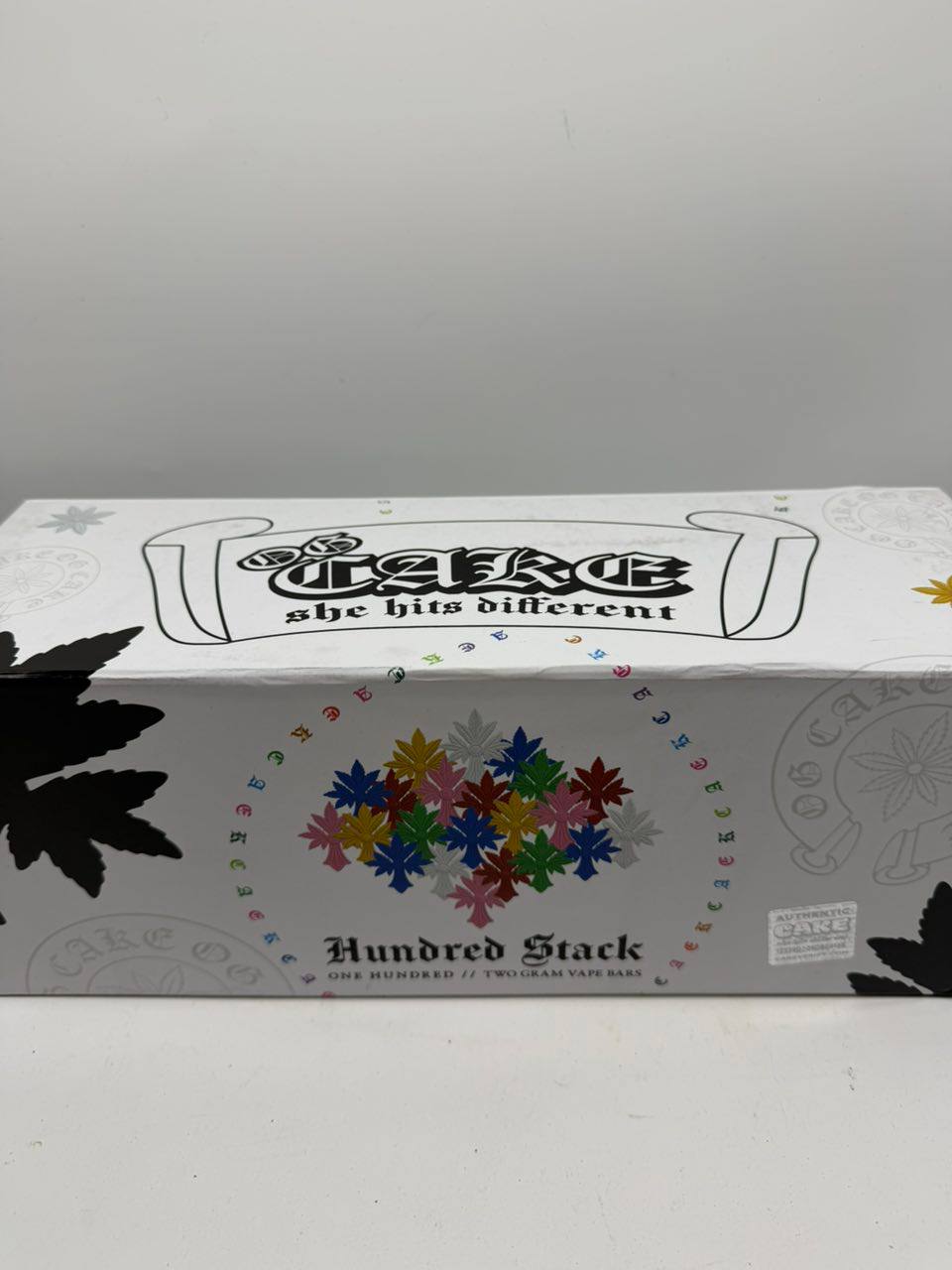
Packaging serves several practical purposes beyond presentation. It can provide information needed to identify a particular product and distinguish it from visually similar items.
Important information may include the product name, stated capacity, batch or lot number, manufacturer or distributor details, ingredients, cannabinoid information, warnings, and applicable regulatory information.
Some products may also include a QR code or other identifier that connects the package with testing or product information. Where such a system exists, the information should correspond with the specific batch rather than simply directing users to a general company webpage.
The packaging should also remain consistent with applicable laws in the market where the product is distributed. Requirements can differ substantially between jurisdictions, particularly for cannabis-derived products.
Authenticity Considerations
The popularity of recognizable disposable brands can result in imitation products entering the marketplace. A device that resembles an authentic product is not necessarily manufactured by the original company.
Several details can help with identification. Packaging quality, printing, labeling, batch information, manufacturer information, and testing documentation may provide useful clues.
However, no single visual feature should be treated as definitive proof of authenticity. Verification through an official manufacturer or legitimate testing documentation provides a stronger basis for determining whether a product is genuine.
A product description also should not make unsupported claims about authenticity. Without verifiable documentation, statements about originality, laboratory testing, or manufacturing location remain uncertain.
Storage and Product Condition
Storage conditions can influence the condition of many formulated products. Exposure to excessive heat, direct sunlight, moisture, or prolonged unfavorable conditions can affect both the formulation and the physical components of a disposable.
Packaging can provide specific storage information when the manufacturer has supplied it. Those instructions should take precedence over generic assumptions.
The physical condition of a device can also provide useful information. Damage to the casing, leakage, unusual swelling, broken components, or other visible defects can indicate that the product should not be used.
Disposable devices also contain batteries, which means they should be handled as electronic products rather than ordinary packaging. Damaged or improperly discarded batteries can create environmental and safety concerns.
Battery and Hardware Characteristics
The battery is an important internal component of a disposable device. Although the battery is normally hidden inside the casing, its capacity and configuration can influence how the device operates.
Not every disposable uses the same battery size or activation system. Some designs use draw activation, while others incorporate additional controls or indicators.
Because the exact hardware specifications for individual versions can change, claims about battery capacity or charging capability should be based on manufacturer documentation.
The same principle applies to heating technology. Terms such as ceramic heating, dual heating, or advanced airflow should only be used when they have been confirmed for the particular model.
Accurate product information is more useful than exaggerated hardware claims. Clear specifications help distinguish documented characteristics from marketing language.
Laboratory Testing
Laboratory testing is one of the most important ways to evaluate a formulated product objectively. A properly documented test can provide information that cannot be determined from packaging appearance alone.
Cannabinoid testing may identify the concentration of individual compounds. Additional panels can sometimes evaluate contaminants and manufacturing residues.
The value of a laboratory report depends partly on whether it can be connected to the actual product batch. A generic report that does not correspond to the relevant batch may provide limited information about a particular unit.
For that reason, batch-specific documentation is preferable when available. The report should also identify the laboratory and testing date clearly.
Testing requirements differ according to jurisdiction. Therefore, the presence or absence of a particular test should be interpreted according to the regulations applicable to the market involved.
Product Appearance
The exterior appearance of a disposable contributes strongly to its overall identity. The Chrome Hearts presentation gives this version a visually distinctive character, while the compact form keeps the hardware recognizable as a disposable.
Graphics and printed elements can vary depending on production runs. Packaging may also differ between markets.
Visual details should nevertheless be separated from technical specifications. A decorative finish does not indicate potency, purity, or laboratory quality.
Similarly, a premium-looking exterior does not independently establish the quality of the formulation inside the device. Those characteristics require separate verification.
Portable Design
The compact nature of a disposable is one of its defining characteristics. Because the reservoir, battery, and heating system are integrated, the device does not require a separate cartridge or external battery under normal disposable operation.
This integrated structure can make the product visually straightforward. The body contains the primary hardware, while the mouthpiece provides the external connection to the airflow pathway.
Portability, however, does not remove the need for responsible storage and handling. The device still contains an internal battery and formulated material, so appropriate care remains relevant.
The precise dimensions and weight should be taken from official specifications if they are required for a catalog, product database, or retail listing.
Comparing Disposable and Cartridge Formats
Disposable devices and cartridge systems share some basic principles, but their hardware arrangements differ.
A cartridge is generally designed to work with a separate battery. This allows the battery to be reused while individual cartridges can be replaced.
A disposable combines these elements into a single unit. Once its intended service life has ended, the integrated device is replaced rather than being paired with a new cartridge.
This distinction affects product design, maintenance, and disposal. Disposable products are generally simpler in terms of component separation, while reusable systems provide greater hardware flexibility.
Neither format should automatically be described as superior. Their characteristics are different, and the appropriate choice depends on the applicable laws, product specifications, and individual circumstances.
Quality Indicators
Several objective details can contribute to a clearer understanding of product quality.
First, accurate labeling provides essential information about the formulation and manufacturer. Second, batch identification makes it easier to connect the product with relevant testing documentation. Third, transparent ingredient information allows the contents to be evaluated more carefully.
Manufacturing consistency is another consideration. Differences in fill level, packaging, hardware construction, or labeling may indicate production variation, although visual differences alone do not prove a quality problem.
Testing remains one of the strongest sources of objective information. When reliable laboratory documentation is available, it can provide details that visual inspection cannot establish.
Responsible Product Information
Clear product descriptions should separate confirmed specifications from assumptions. This is particularly important for products containing regulated cannabinoids or other active compounds.
A responsible description avoids unsupported claims about effects, medical benefits, potency, or guaranteed performance. Instead, it focuses on information that can be verified through packaging and manufacturer documentation.
The same approach applies to flavor, hardware, capacity, and laboratory testing. When a specification has not been confirmed, it is more accurate to identify it as information that requires verification.
This approach also improves readability. Readers can understand what the product is without having to separate factual information from exaggerated promotional language.
Frequently Asked Questions
What does the 2G designation mean?
The 2G designation generally refers to the stated two-gram capacity of the disposable. It does not independently establish potency or cannabinoid concentration.
Is the device reusable?
A disposable is generally designed as an integrated product rather than a reusable cartridge system. The exact hardware configuration should be confirmed through the manufacturer’s documentation.
Does the product name confirm its formulation?
No. Product names can identify a particular product line or presentation, but they do not replace ingredient information or laboratory testing.
How can the contents be verified?
The most reliable sources are the product label, manufacturer documentation, and applicable batch-specific laboratory testing.
Does appearance prove authenticity?
No. Visual appearance alone cannot establish authenticity. Packaging information and verifiable manufacturer or testing documentation provide stronger evidence.
What does a laboratory report show?
Depending on the test panel, a laboratory report can provide information about cannabinoid concentrations and potential contaminants. The specific results depend on the laboratory and sample tested.
Can the exact hardware specifications be assumed?
No. Battery capacity, heating technology, airflow design, dimensions, and other hardware details should be confirmed from product-specific documentation.
Final Product Summary
The OG Cake Chrome Hearts 2G Disposable is a compact, integrated disposable product identified by its 2G stated capacity and distinctive Chrome Hearts presentation. Its design brings together the reservoir, battery, heating system, and mouthpiece within one device.
The product’s appearance provides a recognizable visual identity, while the disposable construction distinguishes it from reusable cartridge-and-battery systems. Nevertheless, appearance and capacity alone do not establish formulation, potency, authenticity, or laboratory quality.
For accurate product information, the packaging and batch-specific documentation remain the most dependable references. Ingredient information, cannabinoid concentrations, manufacturer details, testing results, and hardware specifications should be verified rather than inferred from the product name.
Ultimately, a useful product description focuses on documented characteristics. It explains the device format, stated capacity, presentation, construction, identification details, and testing considerations without making unsupported claims. That approach keeps the information clear, readable, and suitable for a product catalog or informational page while avoiding unnecessary keyword repetition.

Reviews
There are no reviews yet.